The Kalinga: Highlands, River-Paths, and Peace Pacts
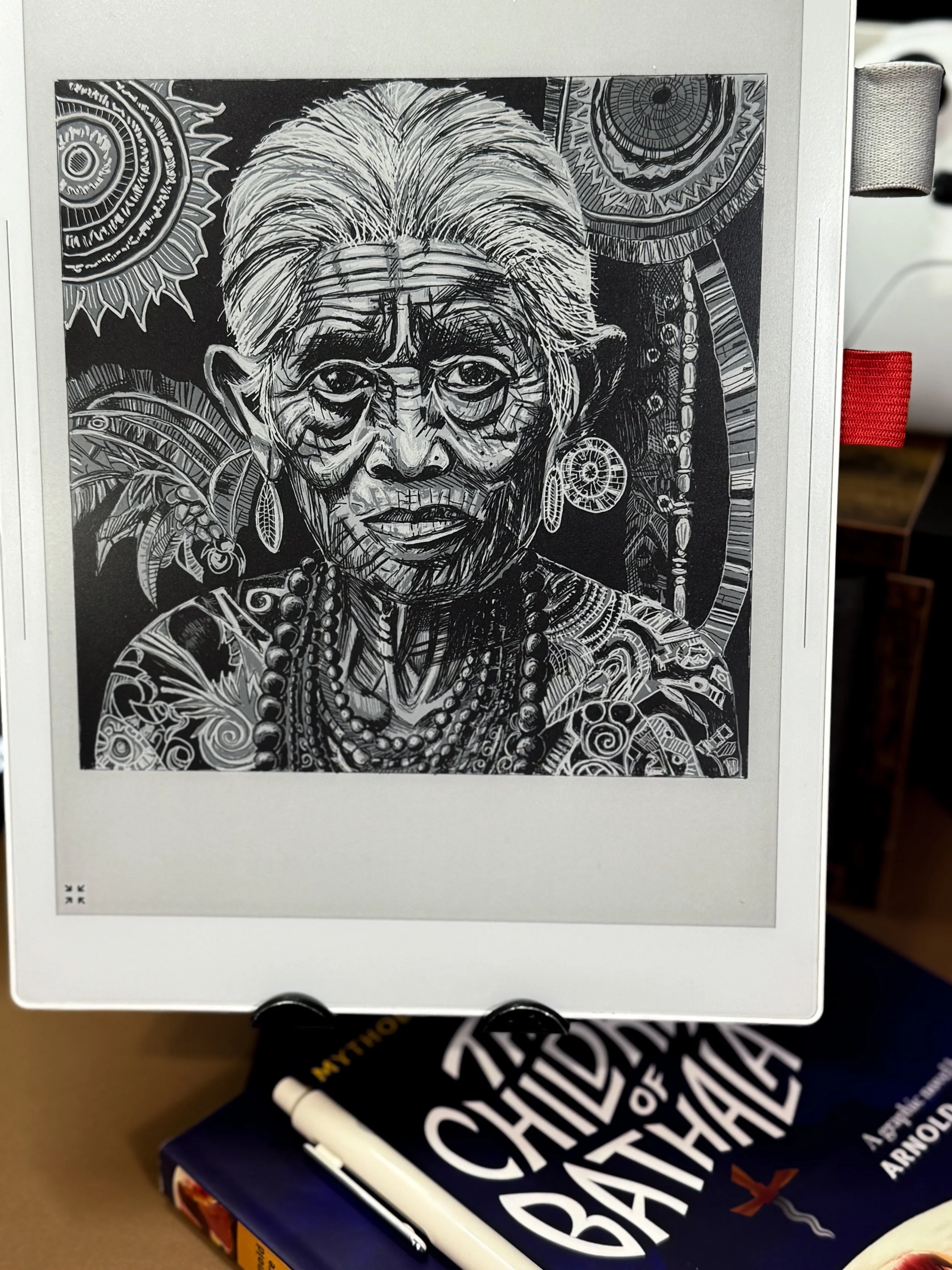
In the Cordillera highlands of Luzon, the Kalinga have long lived close to the grain of the mountains—terraces, footpaths, and the river systems that make daily life possible. The Chico River is often described as a “river of life” for communities along its banks, tying farming, trade, and movement together in the upland interior.
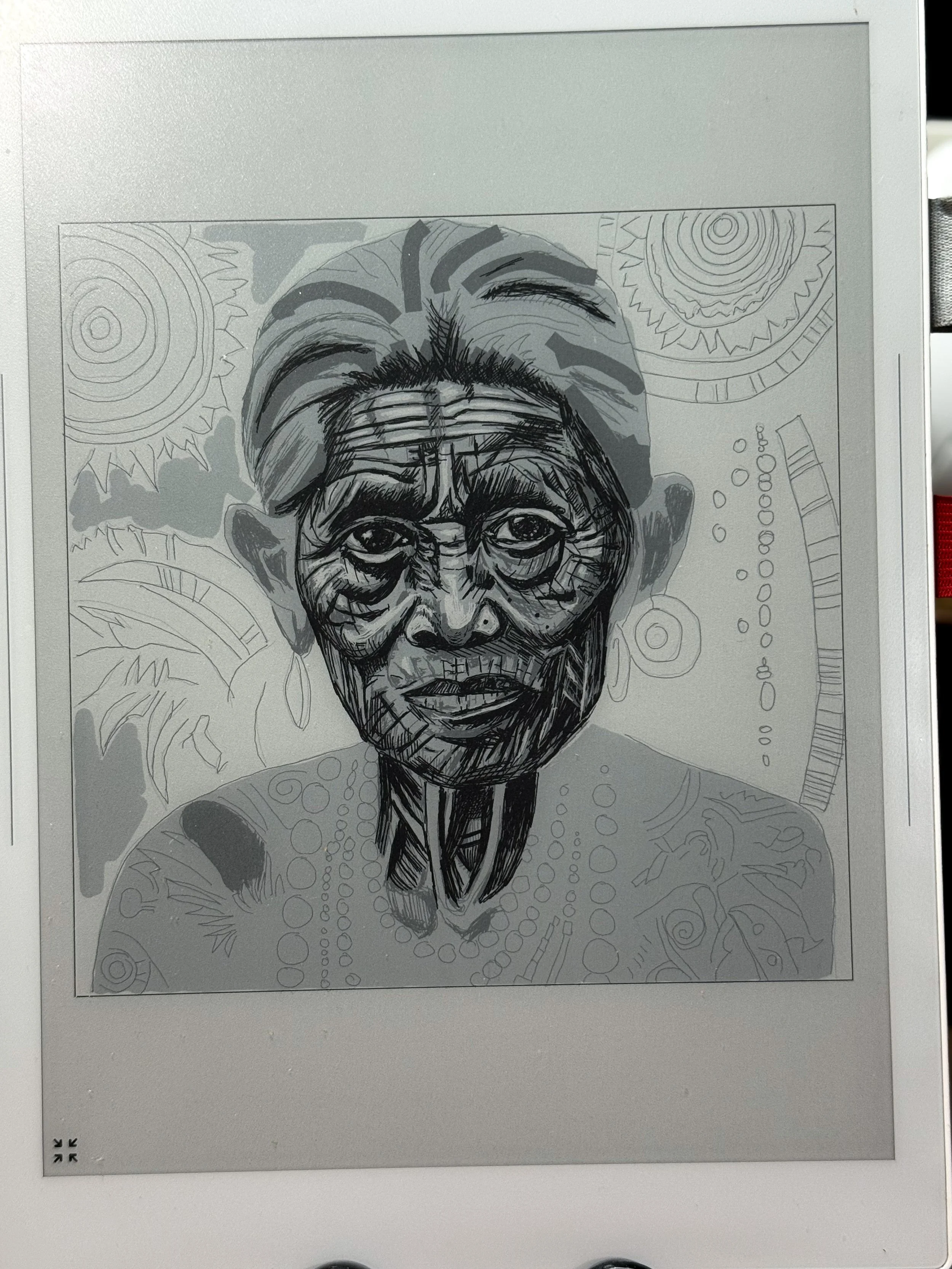
Older accounts of Kalinga society include a warrior reputation and the historical practice of headhunting—real violence, but not senseless: it operated inside rules of conflict, status, and obligation. What’s just as important is what developed alongside it: bodong, a formal peace-pact institution between groups, treated as a binding covenant of non-aggression and a framework for settling disputes. Over time, bodong helped limit cycles of retaliation and reduce warfare and headhunting by turning conflict into negotiated responsibility.
Kalinga identity is also carried through craft and mark-making—textiles with bold geometry, and the hand-tapped tattoo tradition known widely through Whang-od Oggay of Buscalan, recognized for keeping the practice visible into the present.
Today, the Kalinga story continues under modern pressure: roads and tourism, migration, and big development fights—like long resistance movements around projects affecting the Chico River watershed, which became a landmark case in Indigenous land and rights struggles.
Next Up->