As someone who’s long been fascinated by the intersection of art and technology, I’ve always treated my creative tools with a sense of exploration. But after spending Part 1 of this challenge drawing exclusively in Atelier, I wanted to push the experiment further—not by upgrading tools, but by changing the container. So for Part 2, I committed to using the Notes app on my Supernote as my digital sketchbook for an entire year, and I had no idea how transformative that switch would be. Part 1 sharpened my discipline through anatomy studies; Part 2 turned into something more personal—a visual deep dive into diaspora, identity, and culture, built one page at a time.
WHY THE CHALLENGE?
The Notes app isn’t a flashy art program—and that’s exactly why it worked. It feels like digital paper: simple, direct, and distraction-free. There’s no temptation to obsess over fancy effects or over-engineer a drawing. It’s just you, the pen, and the page.
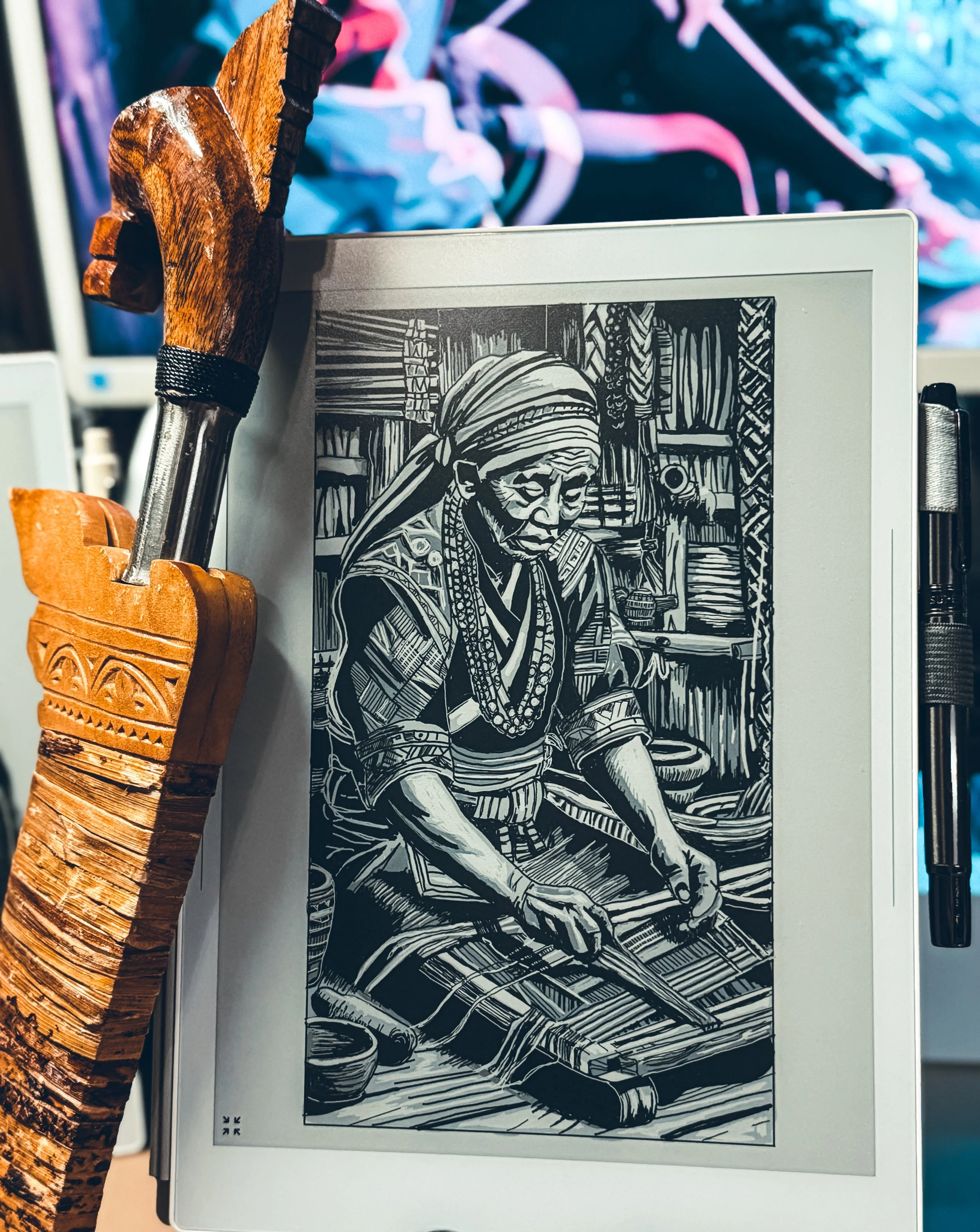
For Part 2, I wanted that on purpose.
Because when the subject matter is identity, you don’t need a hundred features. You need honesty. You need repetition. You need room to be messy and unfinished—because so much of diaspora feels exactly like that.
The challenge came from a question I couldn’t shake: What happens when a sketchbook becomes a research notebook?Could I commit to drawing as a way to process history, family stories, and the cultural threads I’m still learning how to name?
And if I’m being real—could I hold myself accountable to a creative process that required both discipline and vulnerability?
DIASPORA, IDENTITY, AND CULTURE: MY MUSE AND MY TEST
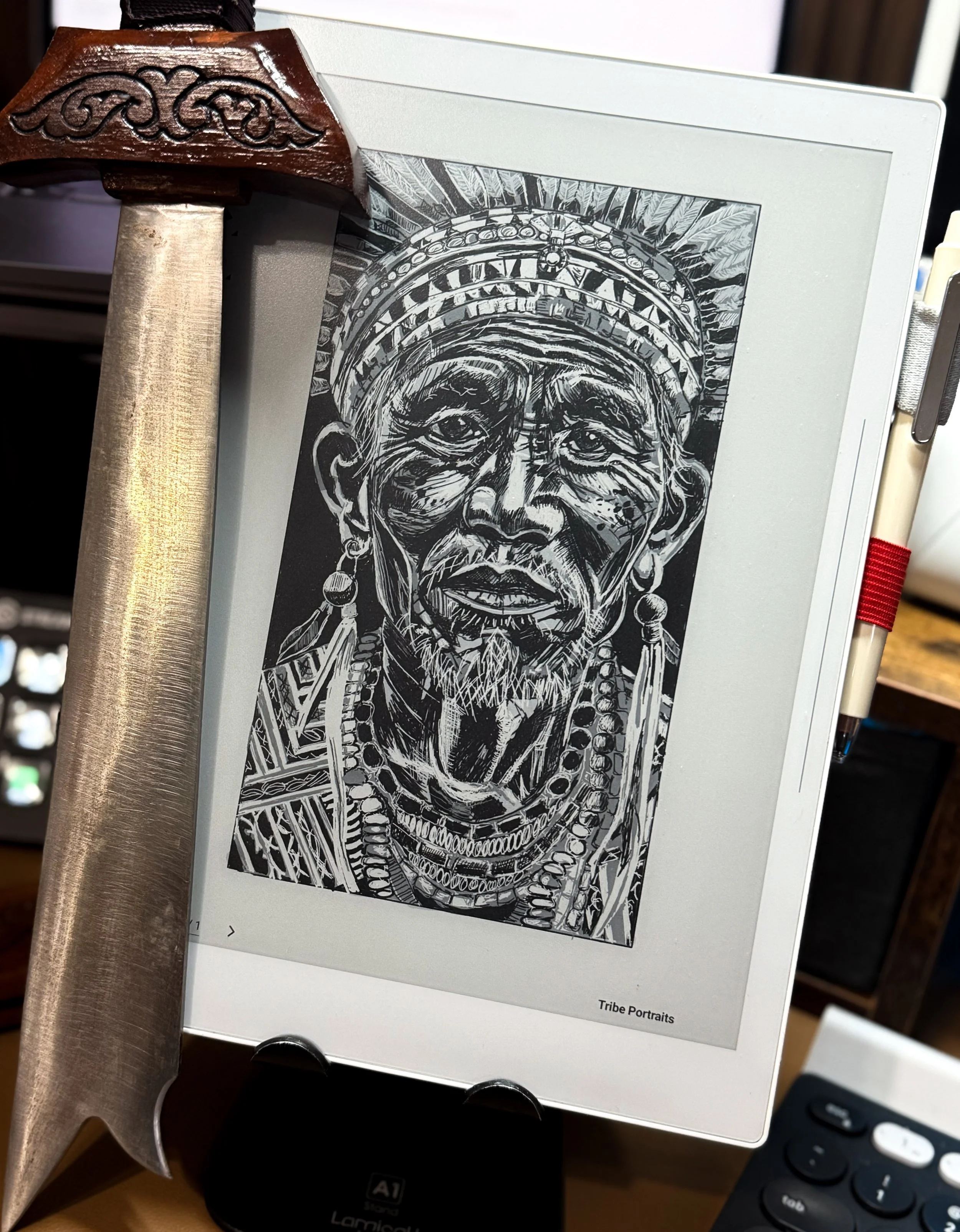
Anatomy taught me how to see form.
This theme taught me how to see myself.
Diaspora isn’t just geography. It’s a constant translation—between generations, between languages, between what was lived and what was never explained. So I built my study around three pillars:
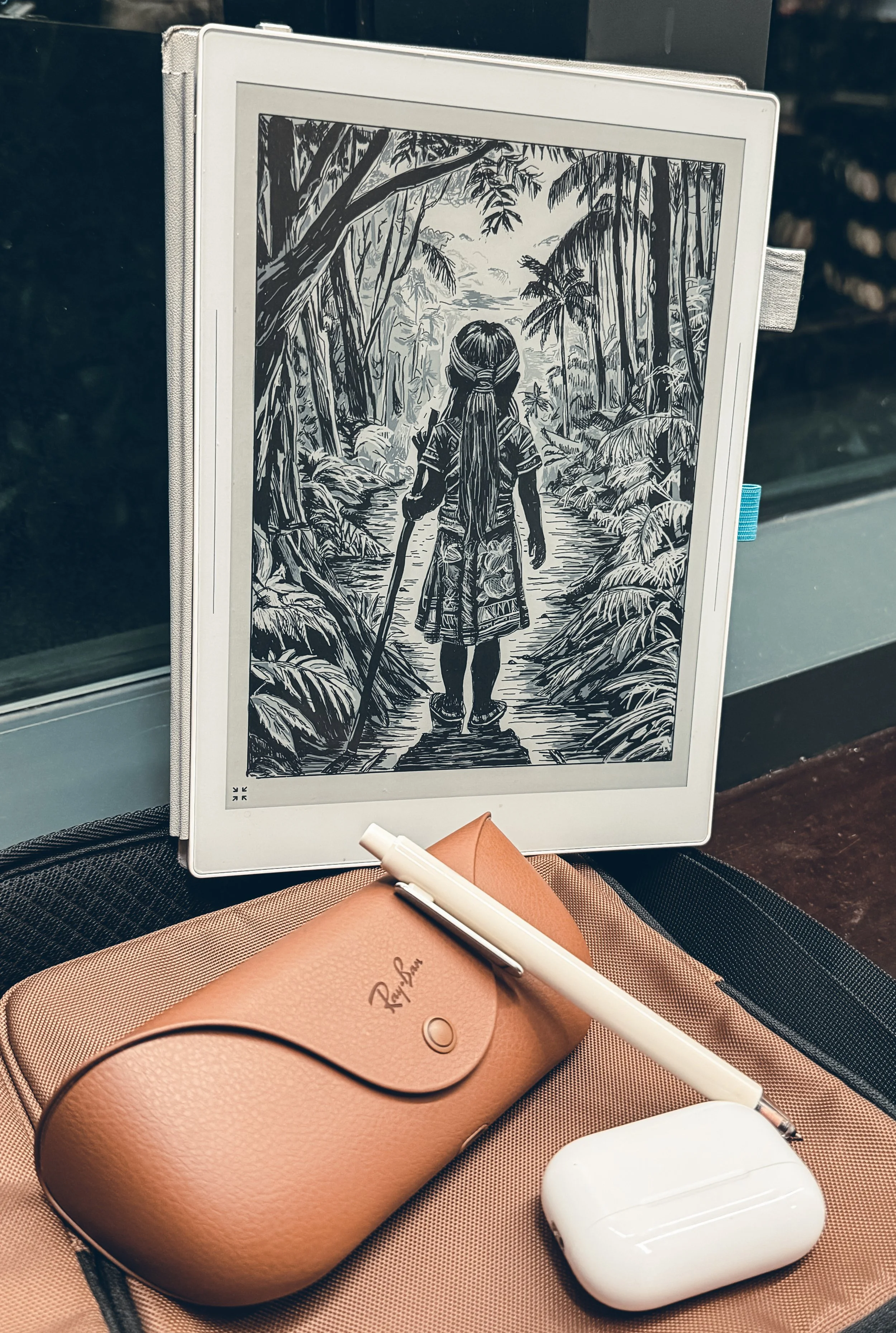
Indigenous tribes of the Philippines (learning names, regions, histories, and the danger of oversimplifying any of it)
Stories of my family (memories, inherited habits, funny moments, painful gaps, and the quiet things that don’t show up in photos)
Mythology and archetypes (not as fantasy—but as cultural memory wearing a mask)
Some sketches started with a visual reference.
Others started with a sentence I couldn’t stop thinking about.
And a surprising number started with a feeling I couldn’t explain—so I drew until it had edges.
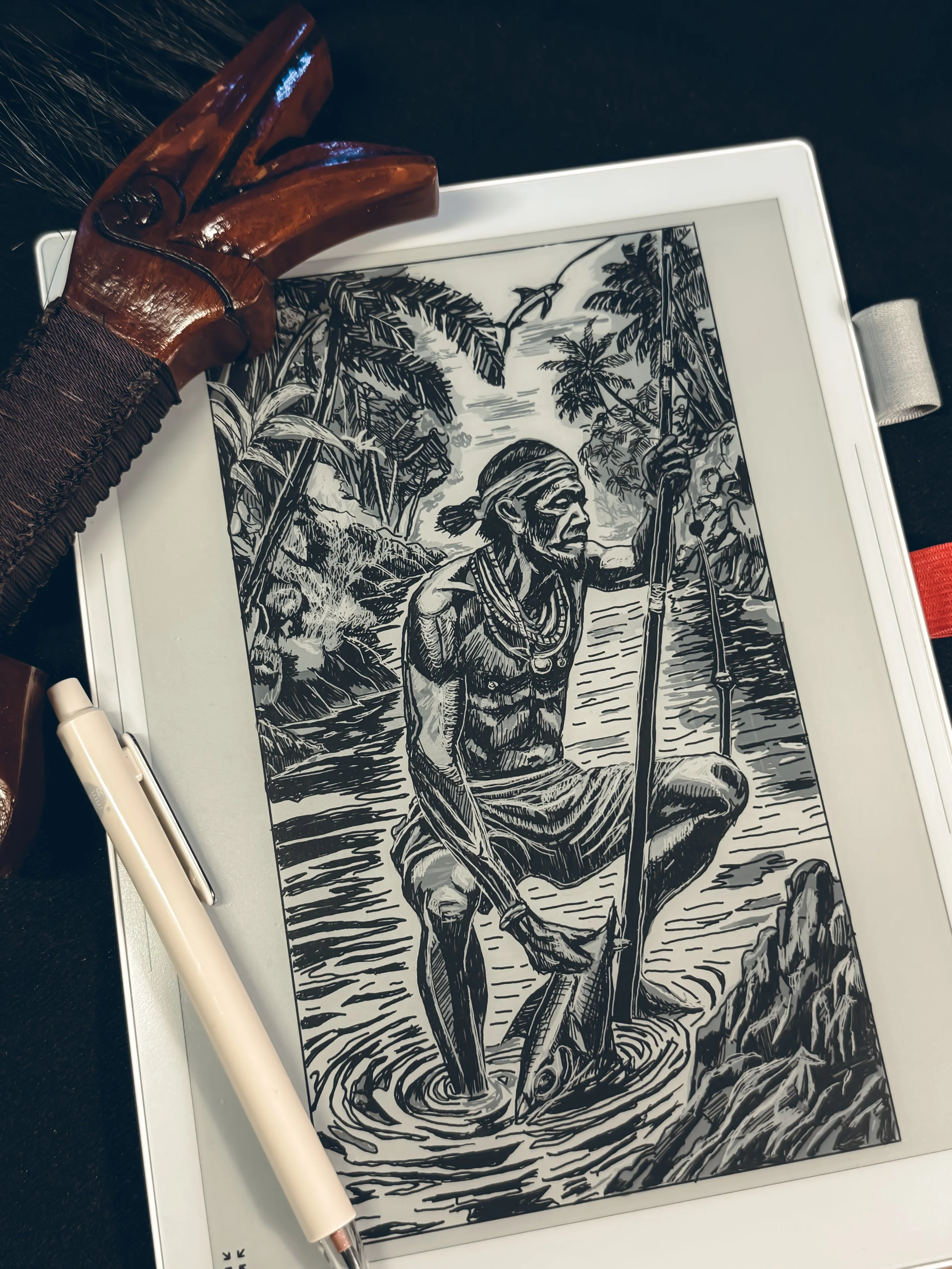
THE EXPERIENCE:
1. Starting With Questions Instead of Poses
In Part 1, I’d open my sketchbook and ask, “What body part am I studying today?”
In Part 2, the question became: “What am I trying to understand?”
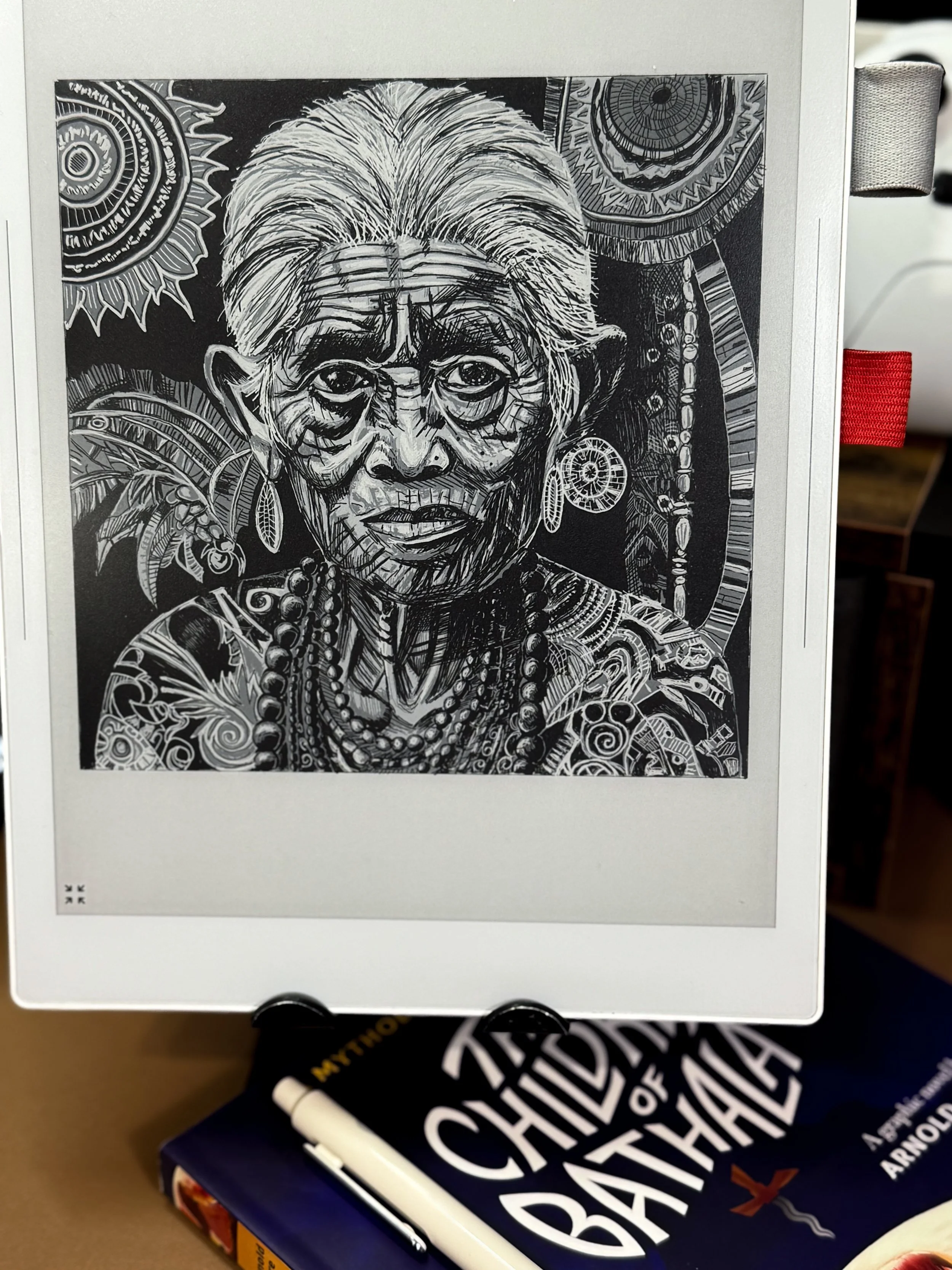
Some days that meant drawing a symbolic object—something like a passport stamp, a woven pattern, or a weapon shape that carries history. Other days it meant sketching an imagined scene that felt like diaspora: movement, distance, weather, thresholds, departure gates. My sketchbook started to look like a map—except the map was emotional.
2. Research Became Part of the Art
This was the biggest shift.
If I wanted to draw with respect, I couldn’t rely on vibes. That meant reading—about ethnolinguistic groups, regions, material culture, oral traditions, and how colonization reshaped the way stories survive. It meant sitting with the discomfort of realizing how much I didn’t know.
And it meant learning to sketch as I researched—not waiting until I “knew enough,” but using drawing as a way to stay present with the learning process.
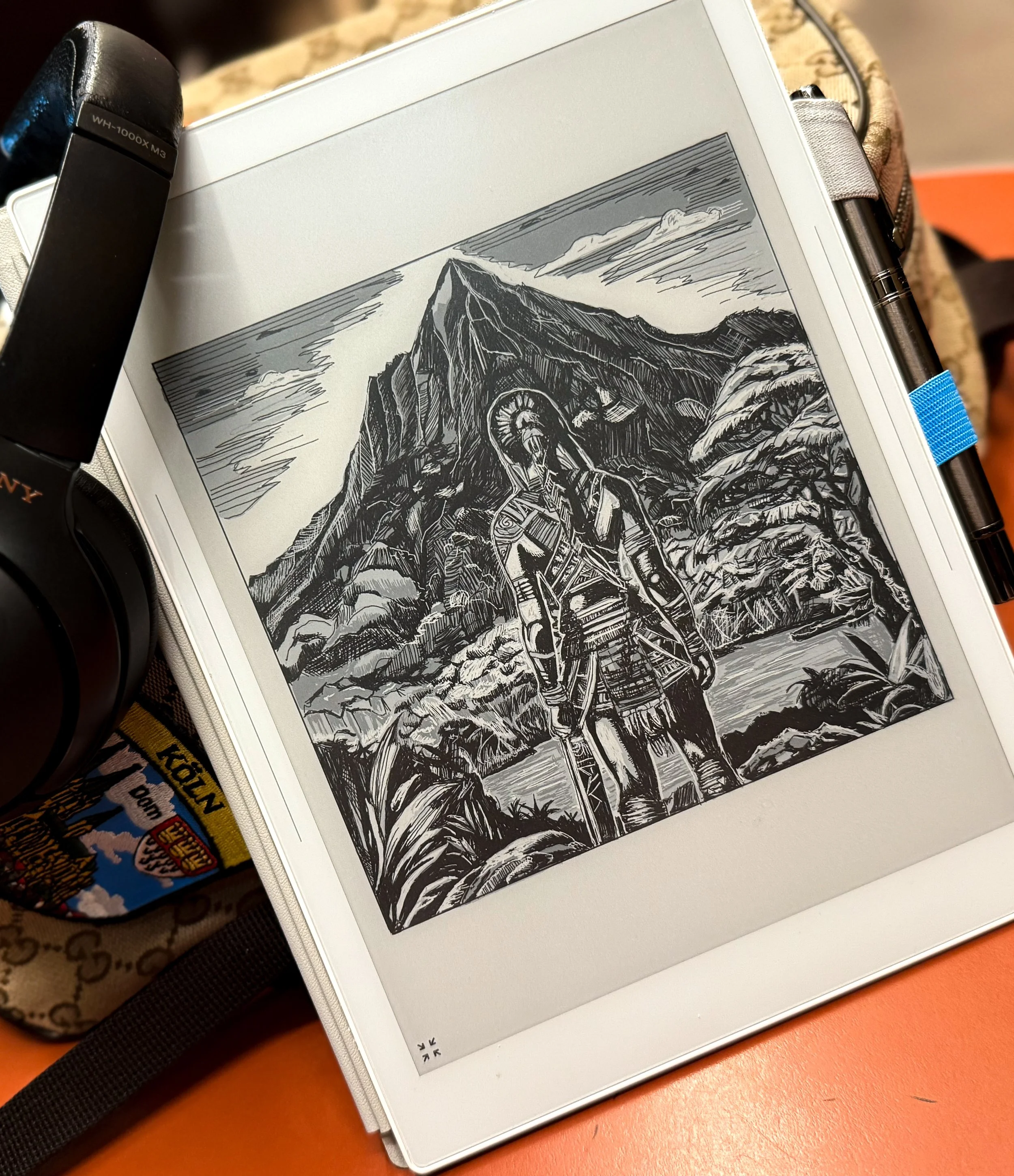
3. Why Notes Was the Perfect Container
Using the Notes app changed how I worked. It didn’t feel like “making art” in a formal, precious way. It felt like filling pages—like journaling, but in lines and shapes.
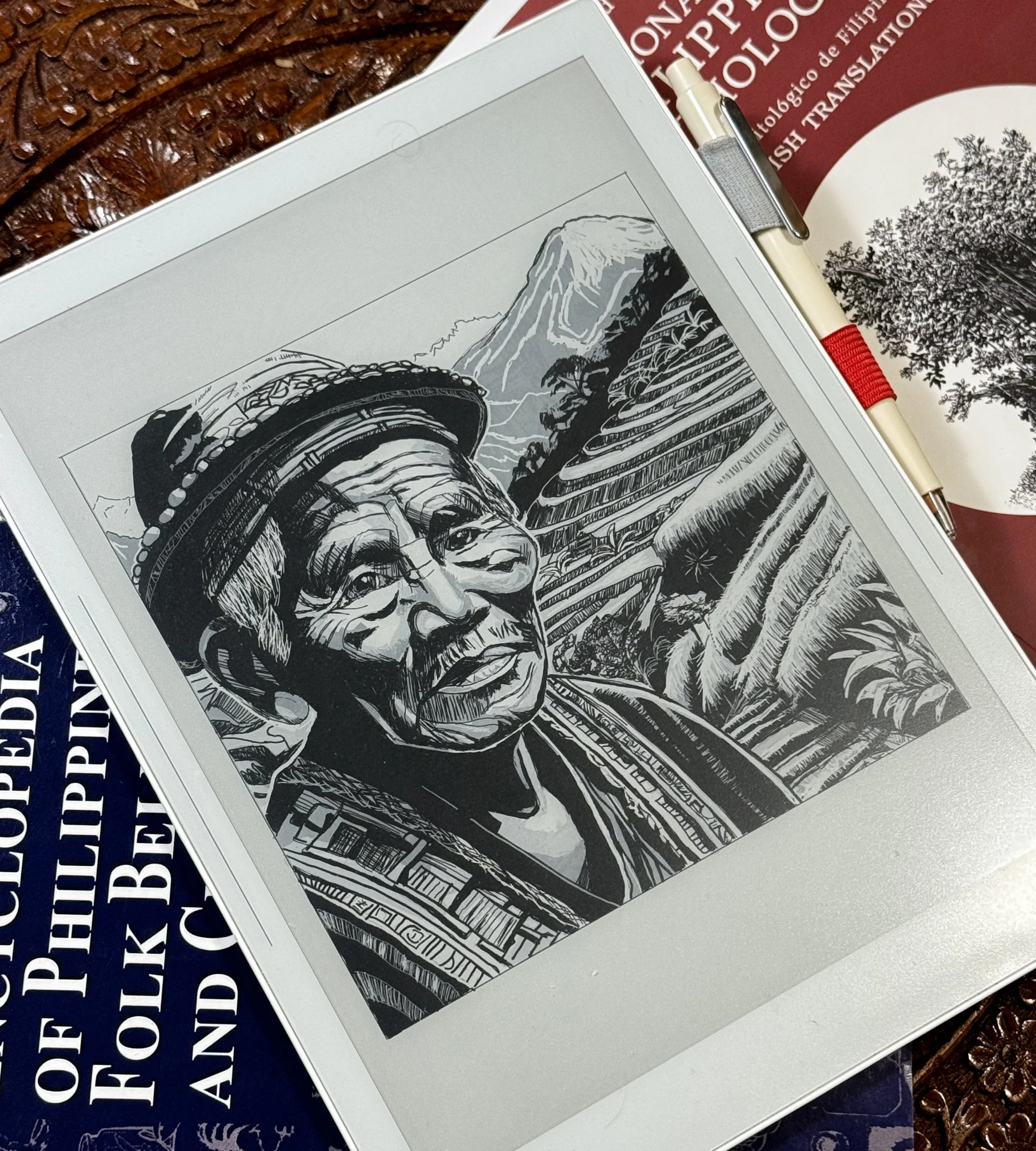
Because Notes is built for handwriting first, I could blend everything together:
quick sketches beside messy paragraphs
lists of tribe names next to thumbnails
family memories written in the margins
mythological references living next to rough composition studies
It became less like a gallery and more like a living notebook—exactly what I needed for a topic that was still unfolding.
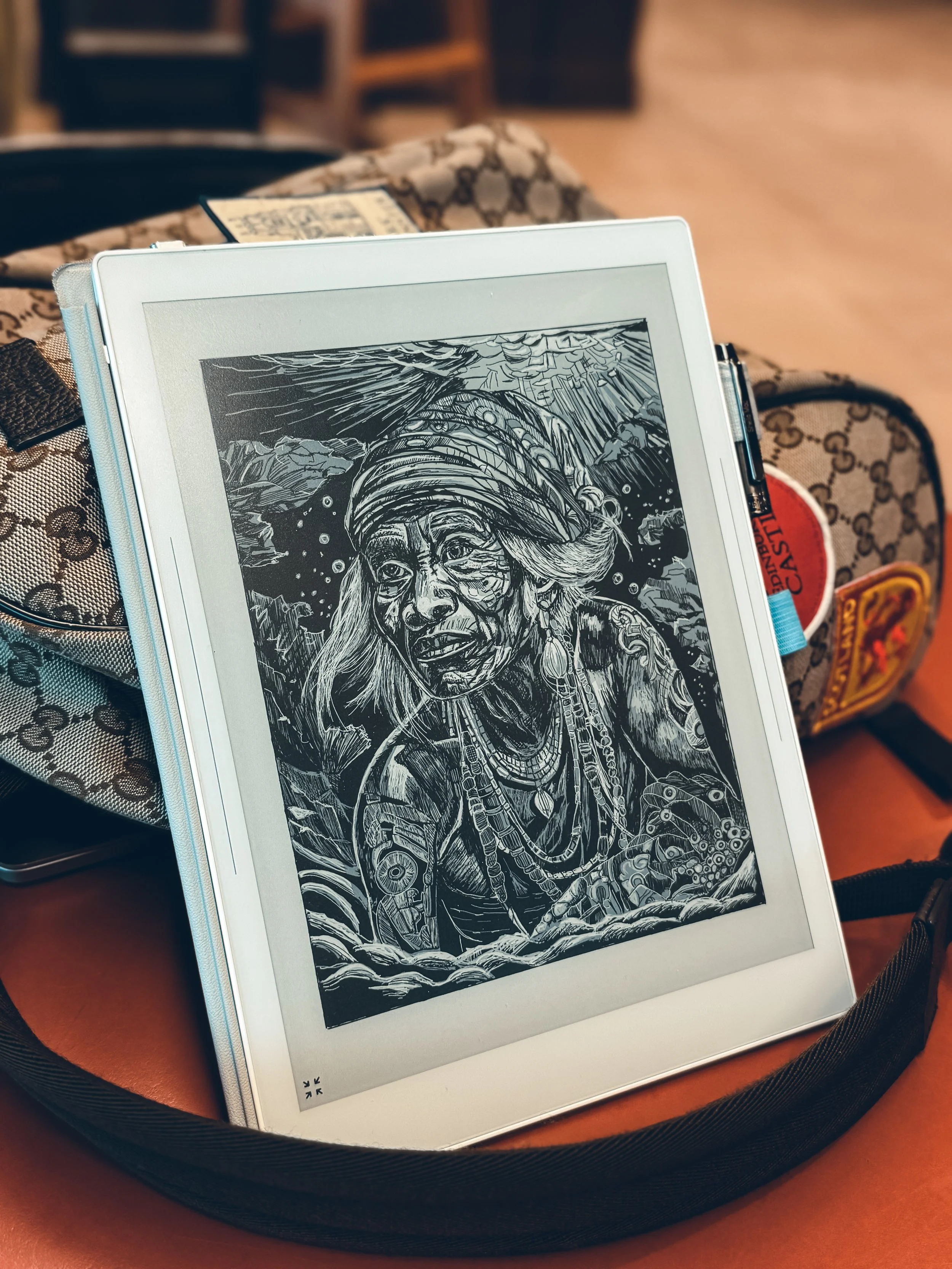
4. When Family Stories Became Reference Material
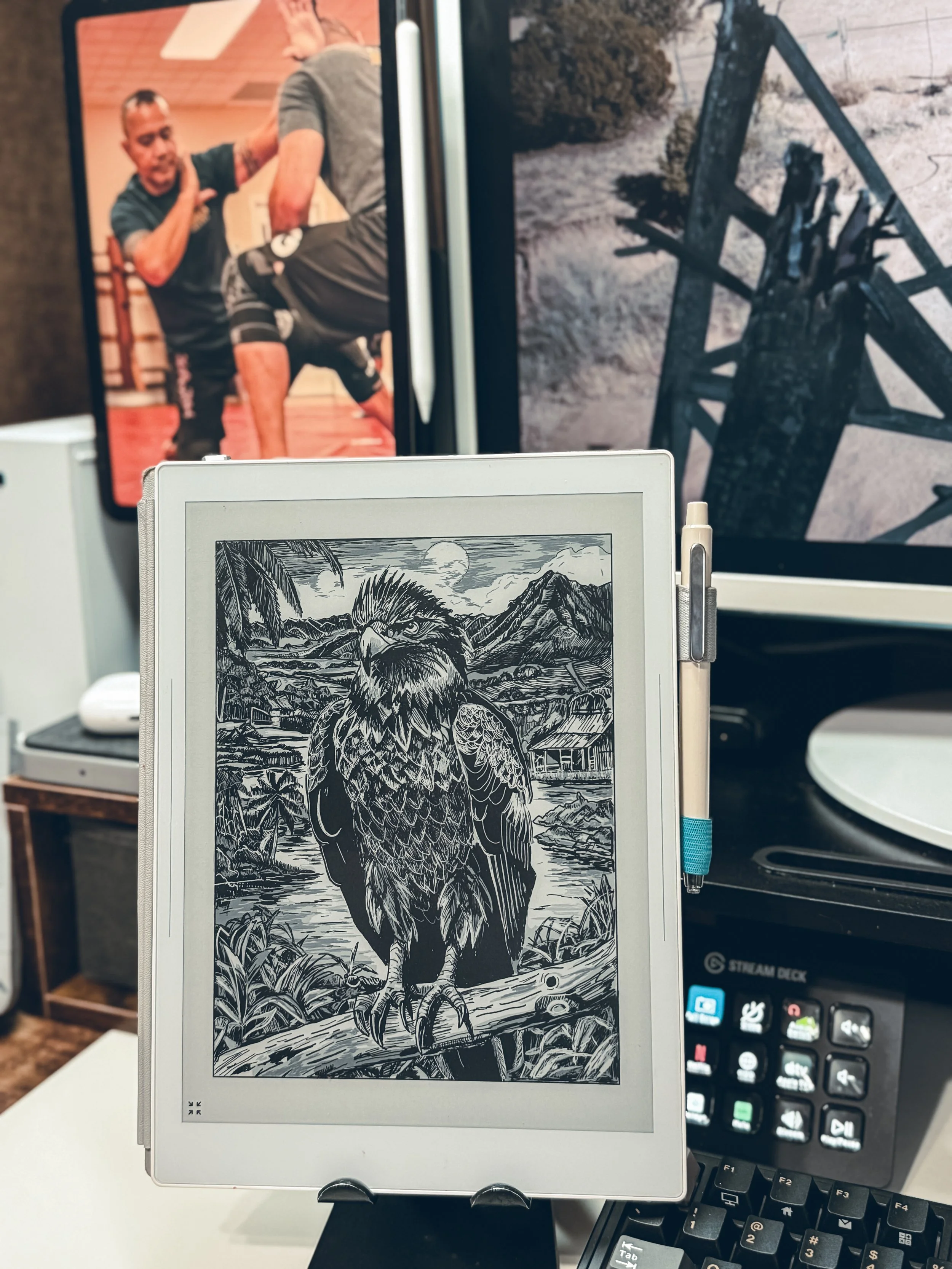
There’s something strange about realizing your creative work is also a form of record-keeping.
I found myself revisiting stories I’ve heard a hundred times—except now I was hearing them differently. Not just as anecdotes, but as evidence of survival, humor, stubbornness, resourcefulness, and adaptation.
Some sketches felt like tributes.
Some felt like questions.
Some felt like a conversation with someone who isn’t here to answer anymore.
5. The Joy of Progress Looked Like Clarity
In Part 1, progress looked like better anatomy.
In Part 2, progress looked like coherence.
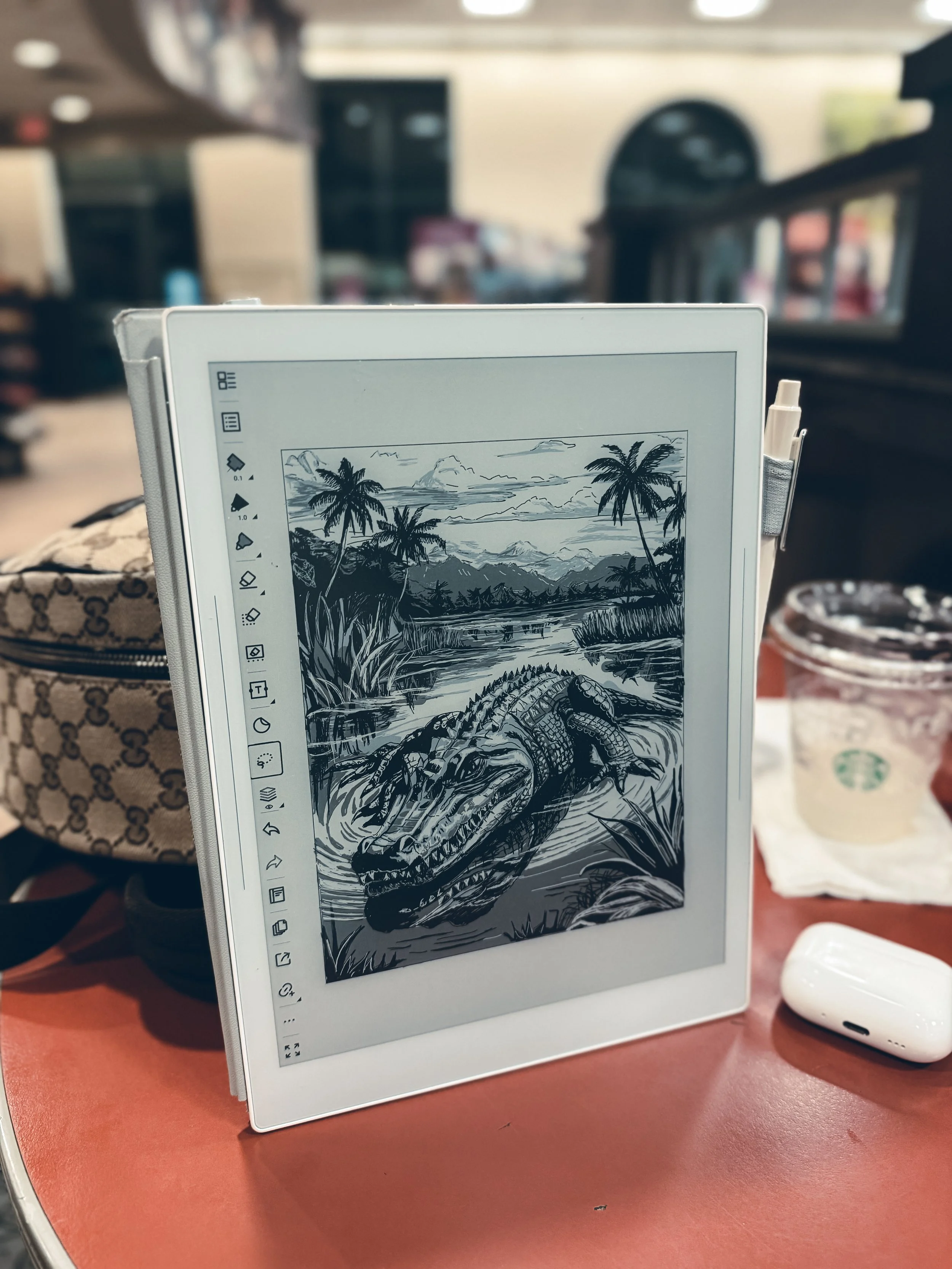
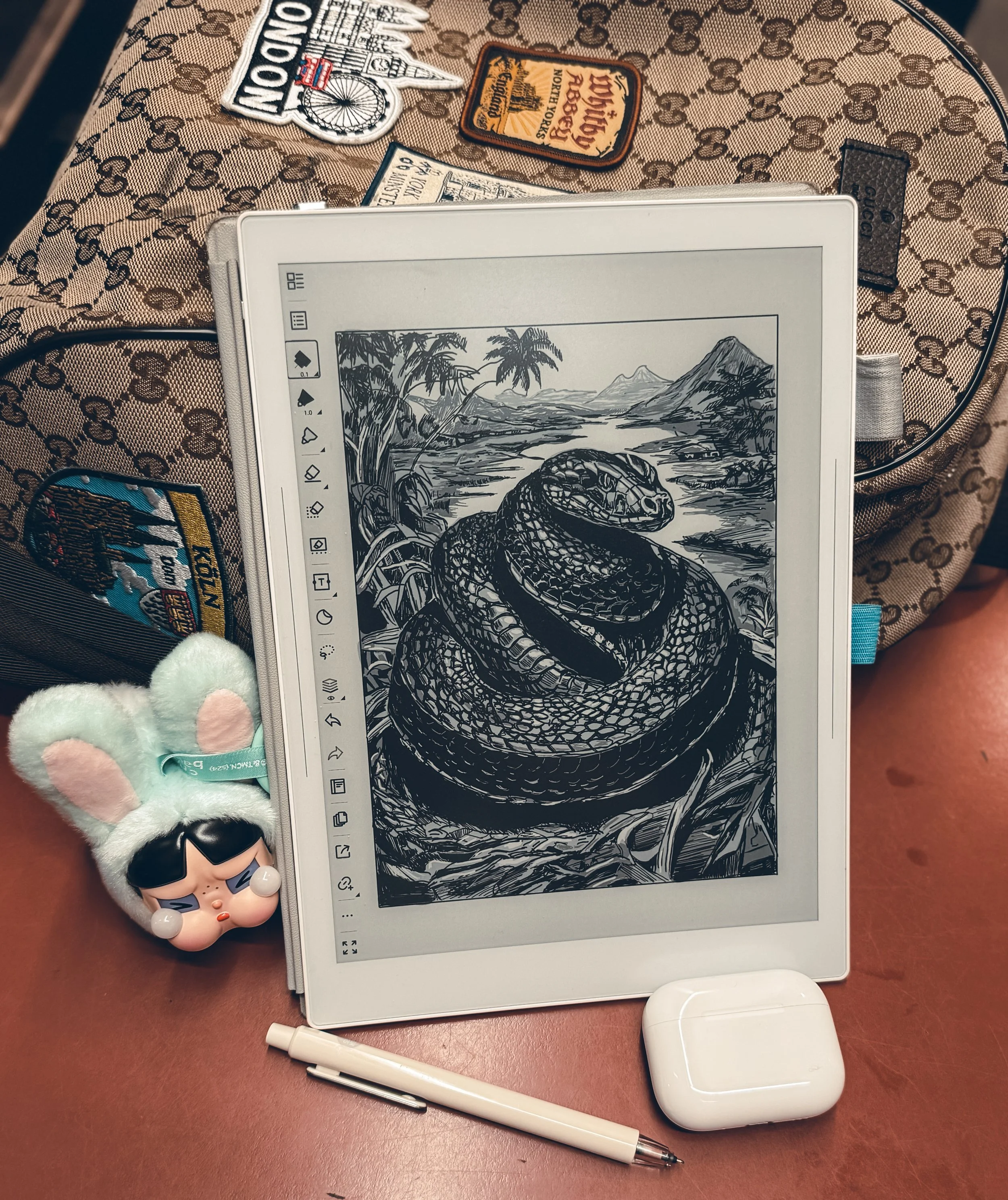
By month eight, flipping through my digital sketchbook didn’t just show improvement in technique—it showed a stronger point of view. The drawings started speaking to each other. The themes repeated with intention. I could see what I was obsessed with, what I was chasing, what I was trying to return to.
And that was the most motivating kind of progress: the feeling that my work was becoming a body of work.
WHAT I LEARNED:
1. Consistency Is Still the Real Superpower
Research-heavy themes can feel intimidating. But showing up consistently—especially on the days I didn’t feel “ready”—is what kept the project alive.
Even a five-minute sketch counts. Especially a five-minute sketch. That’s how momentum survives real life.
2. Limitations Foster Meaning, Not Just Creativity
The Notes app’s simplicity doesn’t just sharpen skill—it sharpens intention.
With fewer tools, you make stronger choices. You commit to lines. You live with mistakes. You stop chasing perfection and start asking, “Does this communicate what I mean?”
That’s not just an art lesson. That’s an identity lesson.
3. Research + Drawing = A Different Kind of Memory
This year taught me that drawing isn’t just output—it’s processing.
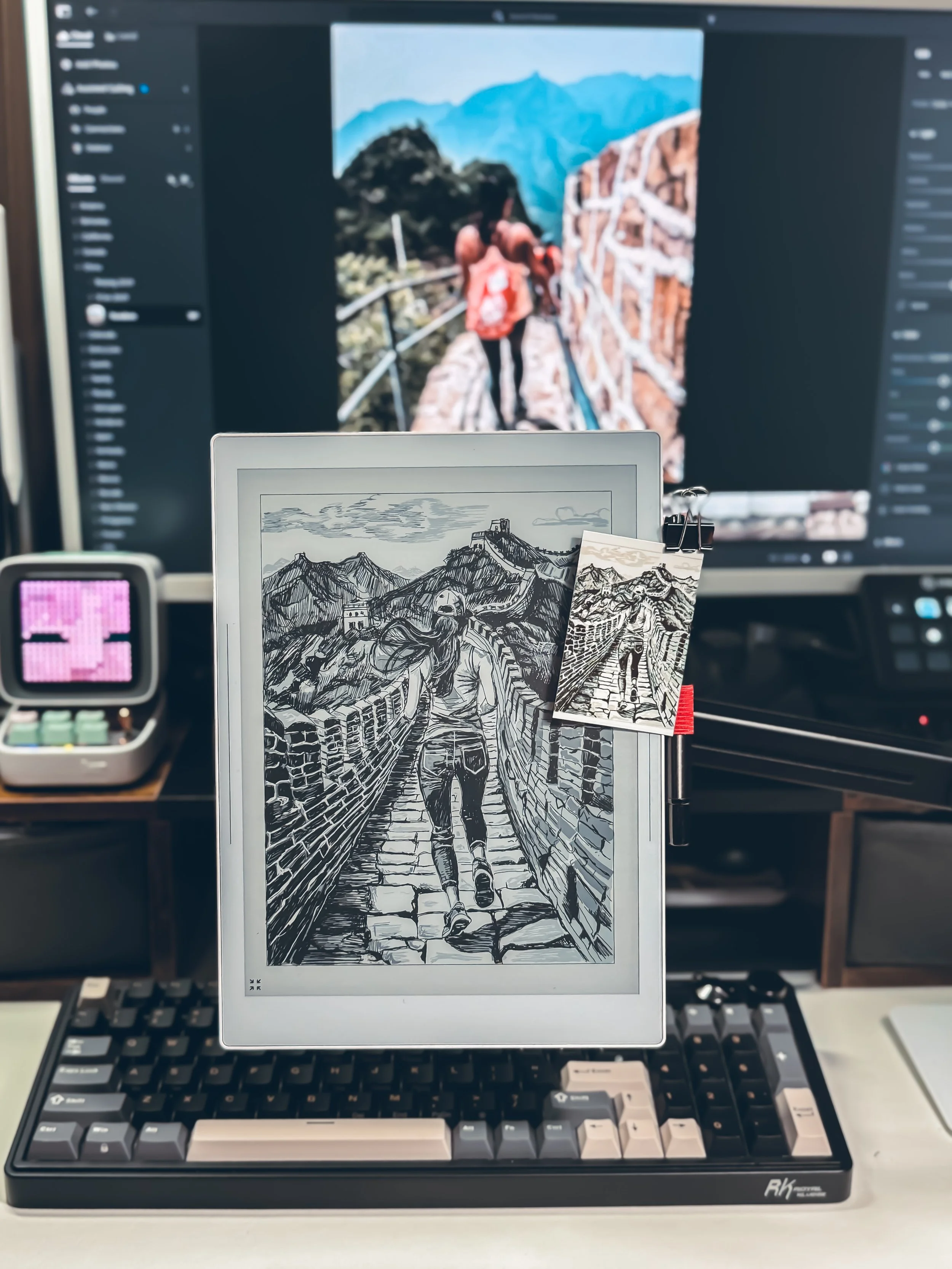
When I drew after reading, the information stuck differently. It became embodied. It became personal. It stopped being “facts about the Philippines” and started becoming relationship—a slow reconnection built line by line.
4. My Sketchbook Became a Bridge
A bridge between:
who I am now and what I’m trying to understand
the Philippines as a place and the Philippines as inheritance
the stories I know and the stories I’m still searching for
I didn’t just make art. I built a practice of return.
FINISHING THE SKETCHBOOK (ALMOST)
This challenge became more than an experiment with a digital tool. It became a year of reflection disguised as drawings. A disciplined routine that turned into a personal archive. A sketchbook that didn’t just hold images—it held questions, grief, pride, curiosity, and a growing sense of connection.
And while I didn’t technically “finish” a sketchbook in the traditional sense, I created a cohesive collection of work that feels even more meaningful—because it documents not just what I drew, but who I was becoming while drawing it.
WHAT’S NEXT?
As I wrap up this year-long challenge, I’m carrying the biggest lesson forward: commitment changes you. Not the aesthetic kind. The deeper kind.
The Notes app taught me that you don’t need a “real” art program to make real work—and that choosing one tool, one container, one theme can unlock growth in ways that scrolling inspiration never will.
If you’ve been hesitating to start a creative challenge, here’s what I’ll tell you now—Part 2 edition:
Pick a tool. Pick a theme that scares you a little.
And stay with it long enough for it to teach you something.
Here’s to more sketchbooks in the future—digital or otherwise.
Missed Part 1?