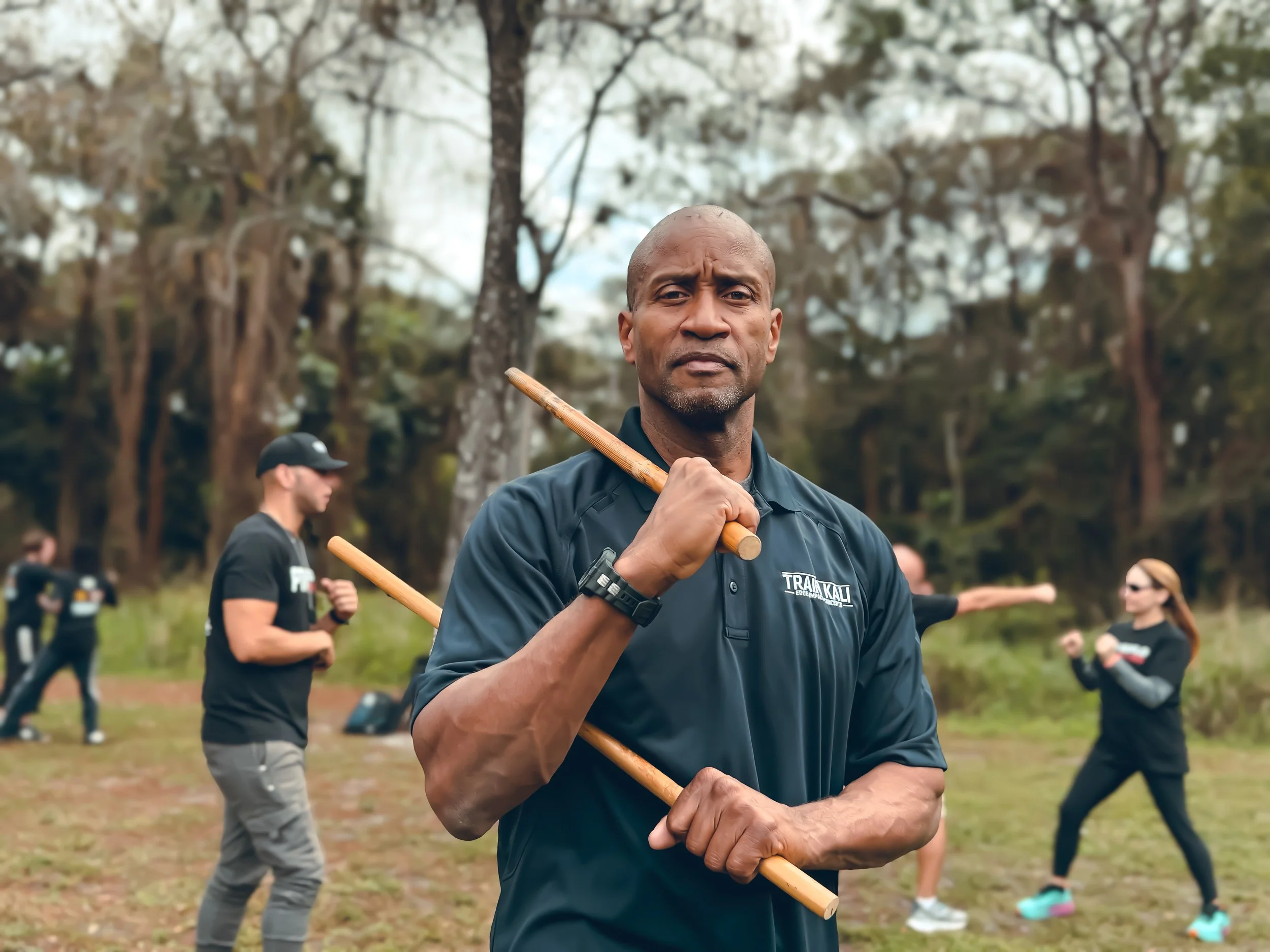
Before I ever picked up a baston in training, I held rattan sticks in childhood.
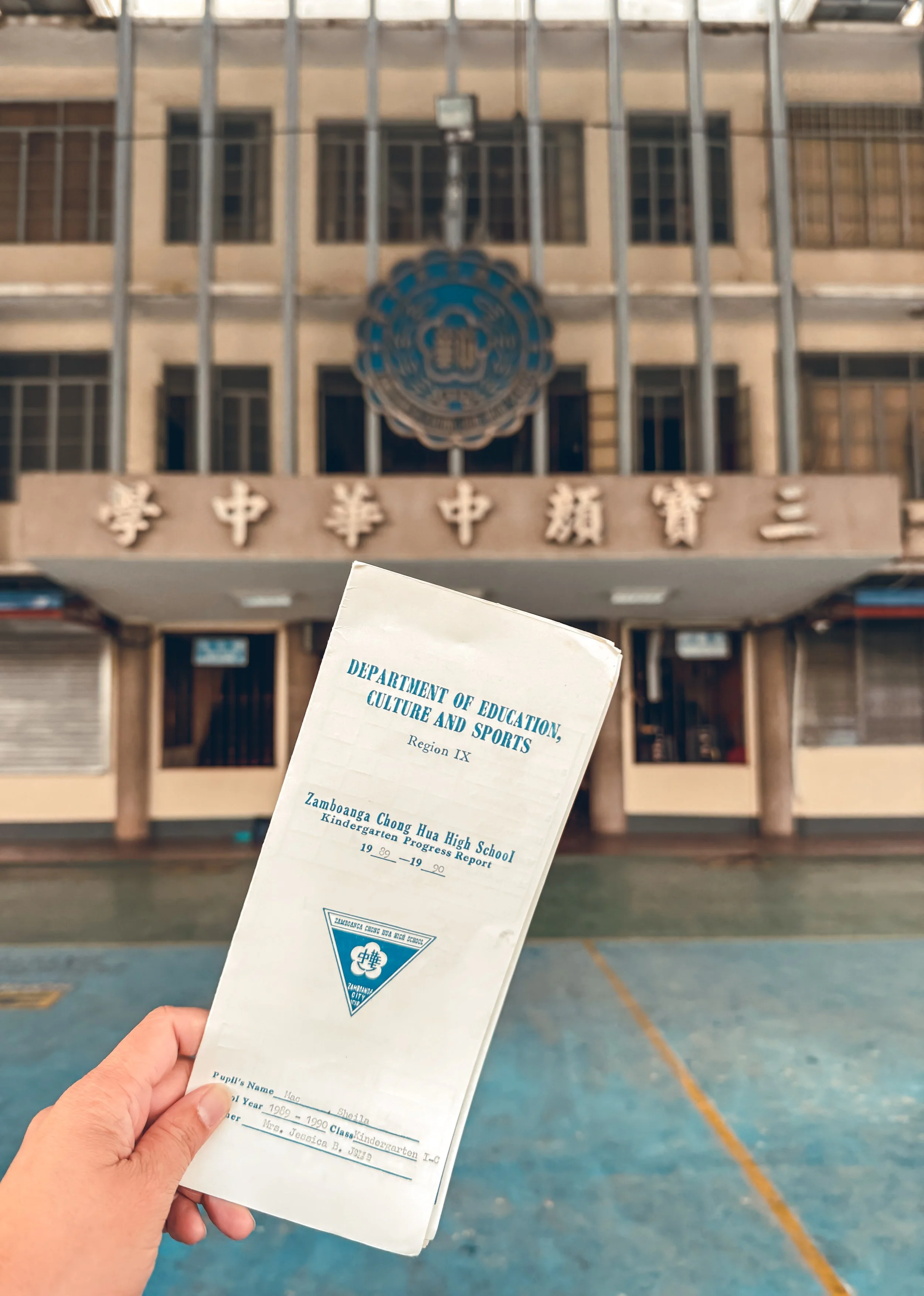
I was born in the Philippines and went to a Chinese school that had become almost a rite of passage for my cousins. Looking back now, that school was one of my earliest introductions to art, movement, rhythm, and performance, even if I did not fully understand it at the time.
There always seemed to be some kind of performative art woven into the beginning of each day. Recitations. Songs. Dances. Presentations. Movements practiced and repeated until they became part of the routine. As a child, I did not understand why there was so much emphasis on performance. I did not know why my sister and older cousins had to recite and dance in school shows while wearing traditional dress. I did not understand why these performances mattered so much.
At that age, it just felt like something we had to do.
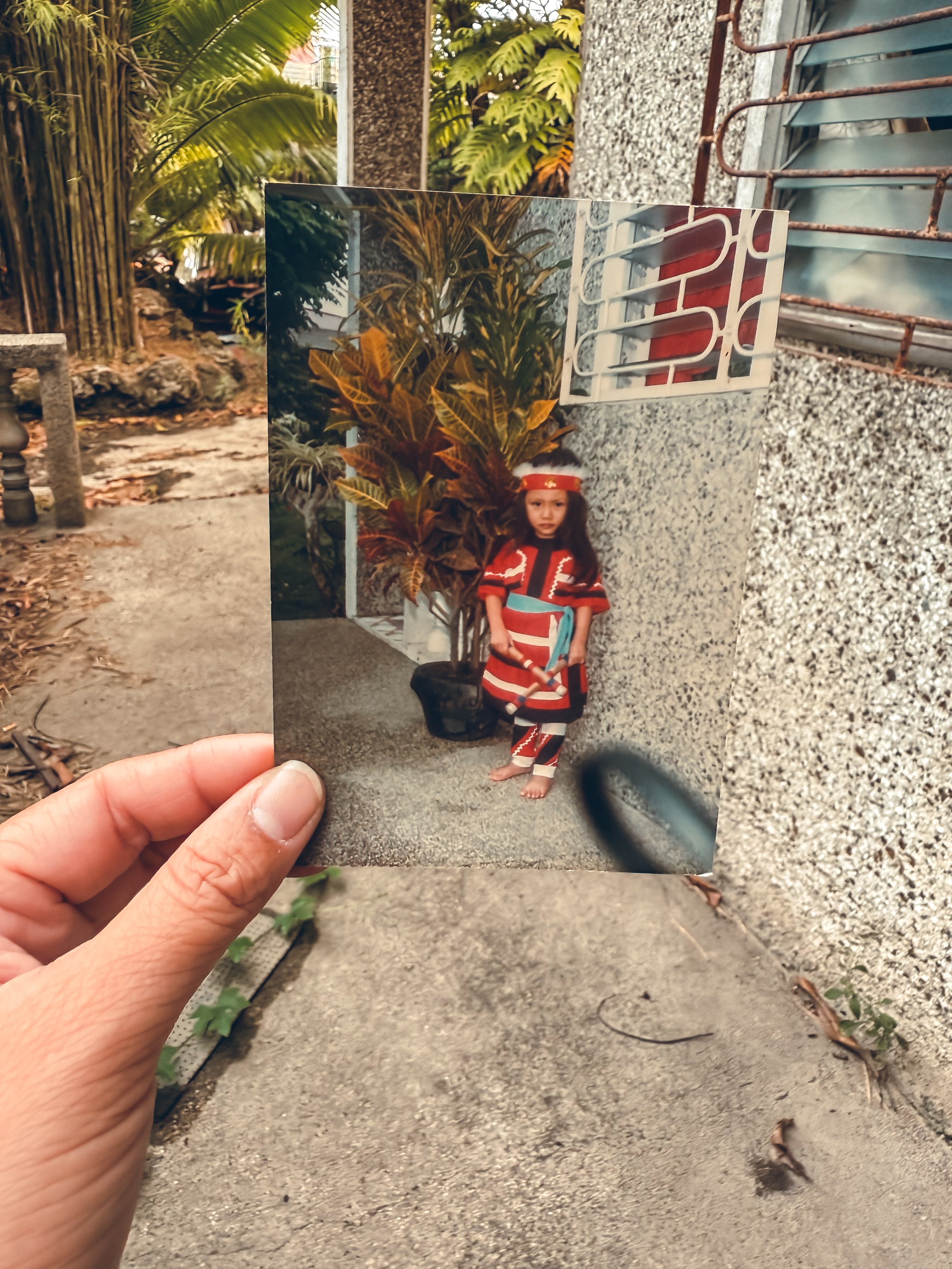
My dad would even dress me up in similar traditional clothing so I could match my sister. Sometimes he would place rattan sticks in my hands as part of the outfit. I had no idea what those sticks really meant. To me, they were props. They belonged to school programs, costumes, family photos, and childhood memories.
So in a way, I held rattan sticks before I ever understood what they were used for.
I did not know then that years later, those same sticks would return to me with a completely different meaning. I did not know that something I once held without understanding would eventually become part of how I studied movement, culture, identity, and myself.
Before I ever picked up a baston with intention, I picked up a pencil.
Growing up, I always had some kind of sketchbook near me. In elementary and middle school, I remember looking at objects and trying to recreate them on paper. At that age, I could not explain what I was doing. I did not have the language for observation, structure, movement, or pattern recognition. I only knew that I liked the challenge of looking at something closely enough until I could understand how to draw it.
I think that was one of the first ways I learned how to study.
Drawing was never just about making something look pretty to me. It was about figuring something out. It was about asking: Where does this line begin? How does this shape connect to the next one? What is the relationship between what I see and what I am trying to create?
Even as a child, I think I was searching for patterns.
By the time I reached high school, art became more serious for me. I started learning different styles, different mediums, and different ways of expressing what I saw. I was interested enough that I even began looking into art schools for college. At one point, I thought that might be the direction my life would take.
But life moved differently.
I did not end up going to art school. And for almost fifteen years, drawing slowly became something I used to do. It became a quiet part of me that remained in the background, waiting. But even then, I do not think art ever fully left me.
During that fifteen-year hiatus from drawing, I picked up photography. At the time, I do not think I fully understood that photography was my subconscious trying to compensate with another form of art. I may not have been sitting with a sketchbook, but I was still looking. I was still framing. I was still searching for light, shadow, movement, and composition.
My favorite things to photograph became landscapes, long exposures, and travel.
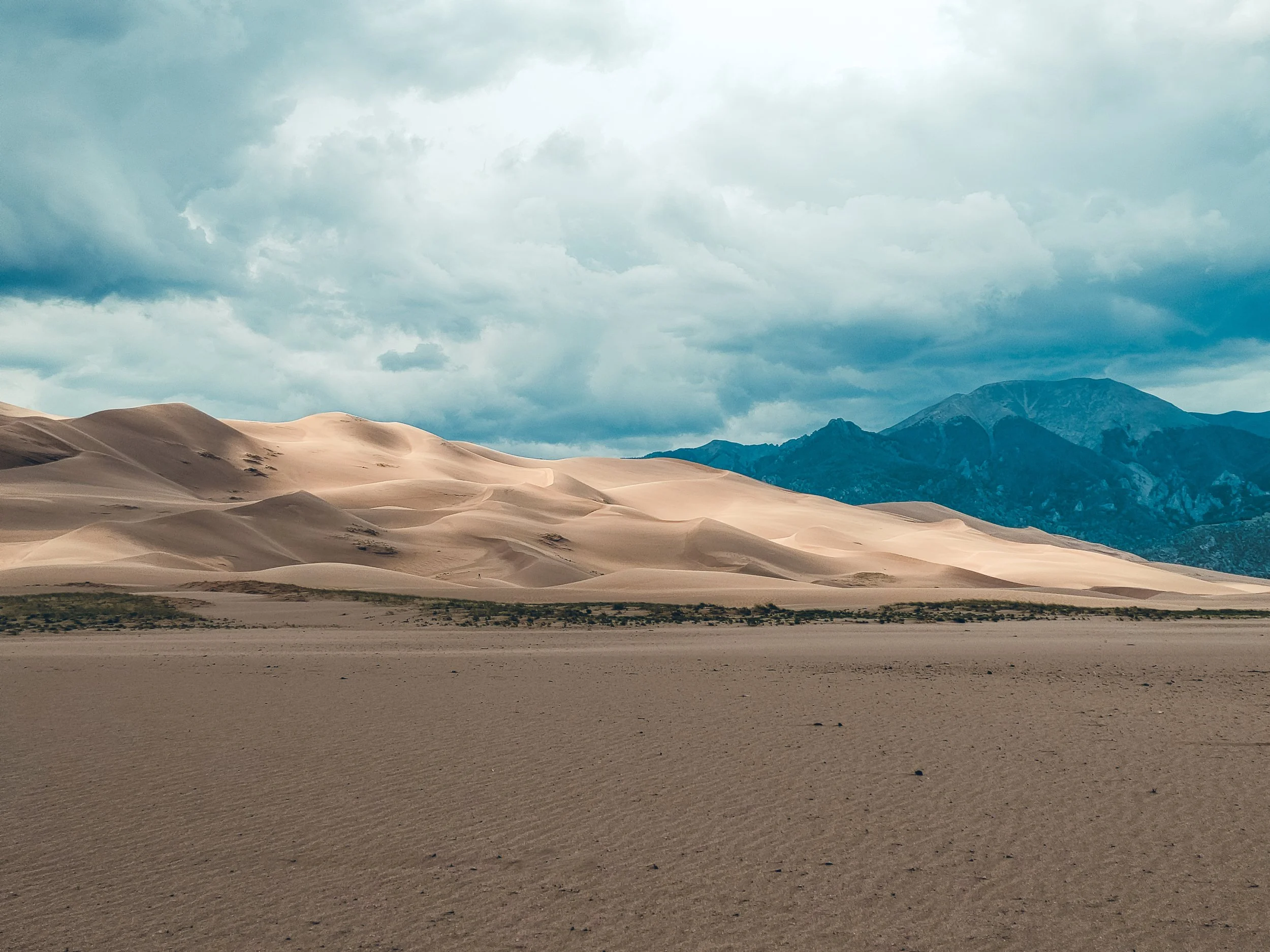
Looking back, that makes sense to me now. Landscapes taught me how to see space and scale. Long exposures taught me how to capture movement over time. Travel photography taught me how to observe a place through its details — the architecture, the streets, the people, the atmosphere, and the small moments that make somewhere feel alive.
Even when I thought I had stepped away from art, I was still practicing how to observe.
I was still training my eye.
Then I found Pekiti Tirsia Kali.
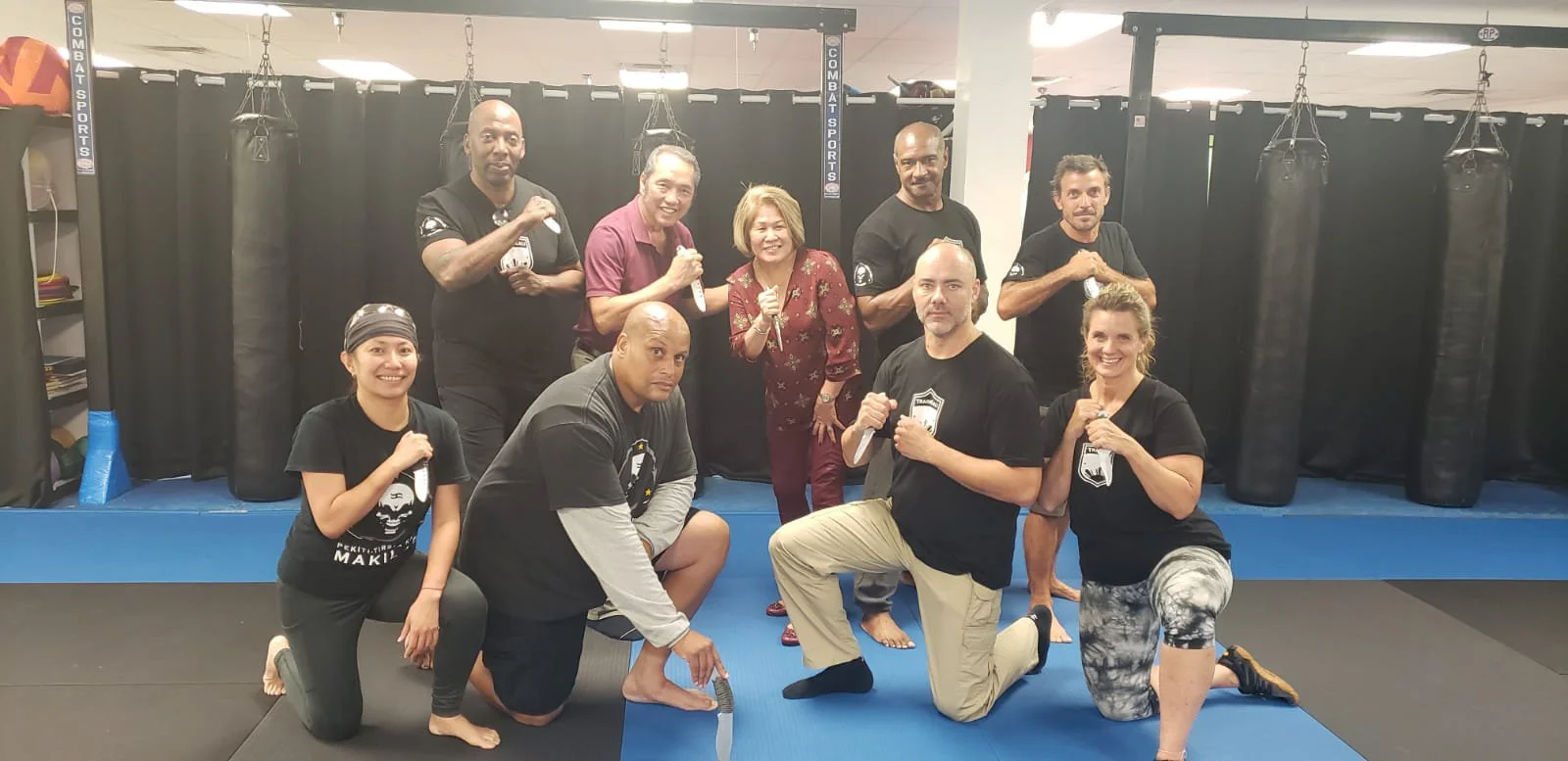
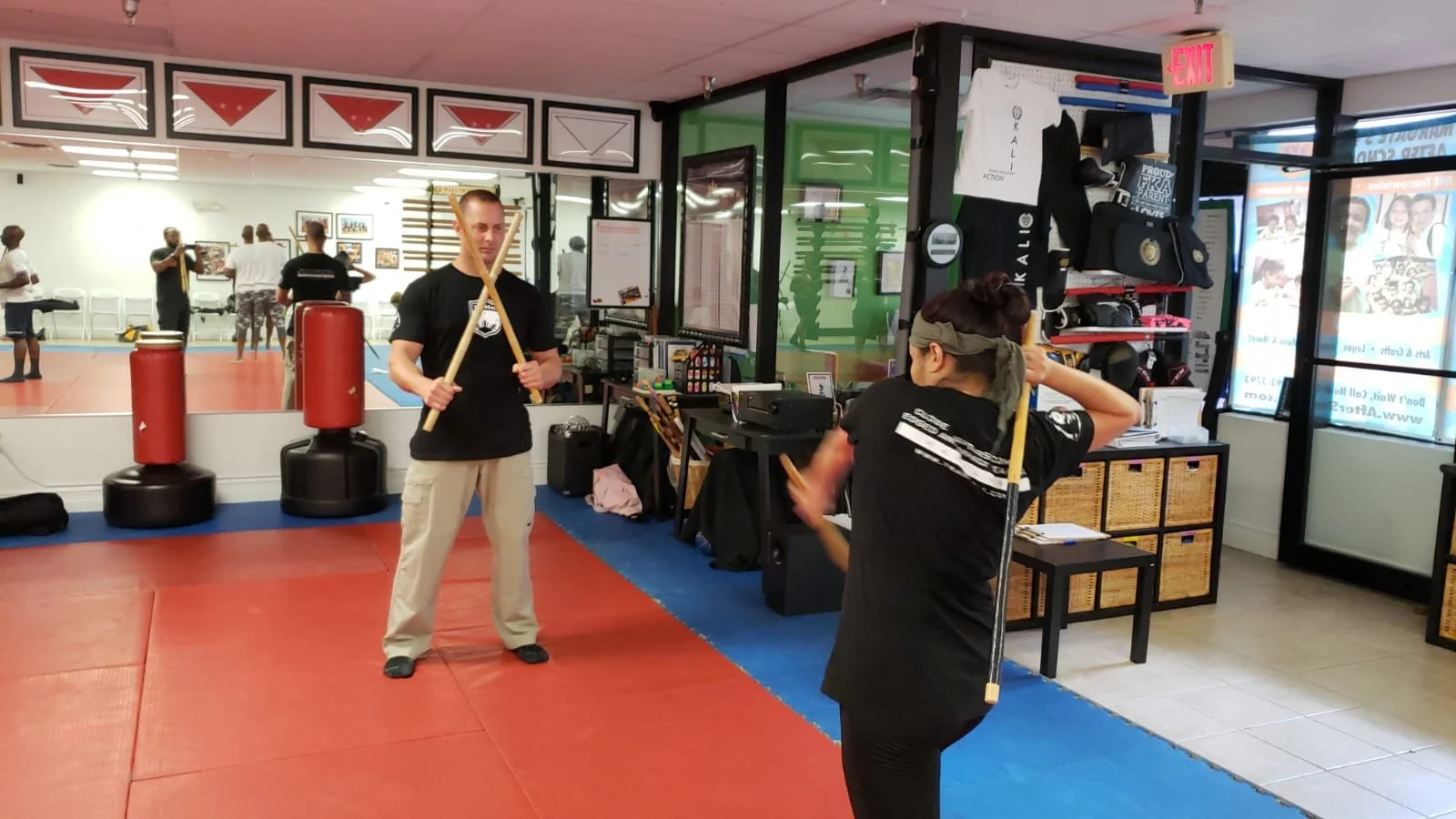
And through TrainKali, it felt like I was returning to that same childhood practice of studying patterns all over again. Only this time, the patterns were not on paper. They were in footwork, angles, strikes, timing, distance, and movement.
At first, PTK looked like technique.
But the longer I trained, the more I realized that PTK was also a form of visual language. It was structure. It was rhythm. It was composition. It was a moving artwork that I was trying to understand from the inside. Every platform felt like a sketch I was trying to redraw. Every drill became a study in lines, shapes, entry points, and transitions. Every correction became a new layer of understanding. And every training session became part of a larger picture I could not fully see yet, but kept trying to piece together.
That is what PTK awakened in me.
It did not only make me want to train. It made me want to create again.
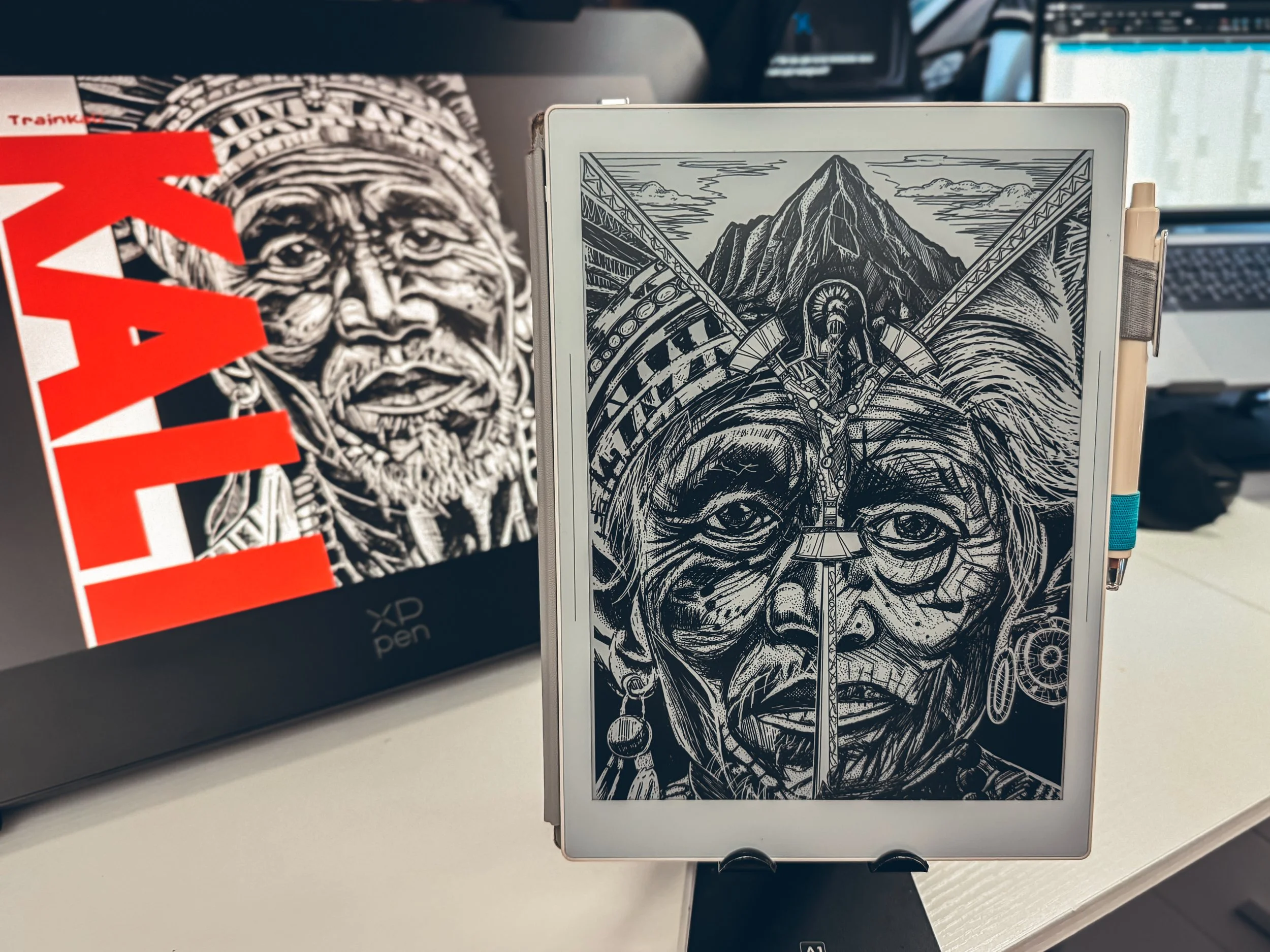
Since starting PTK, I have felt more invested in my art than I ever have before. Not because PTK gave me a simple subject to draw, but because it gave me something worth studying. It gave me movement, culture, history, memory, and identity. It gave me something that challenged both my body and my mind.
In many ways, PTK became the artwork.
And I became the student standing in front of it, trying to understand what medium could best capture it.
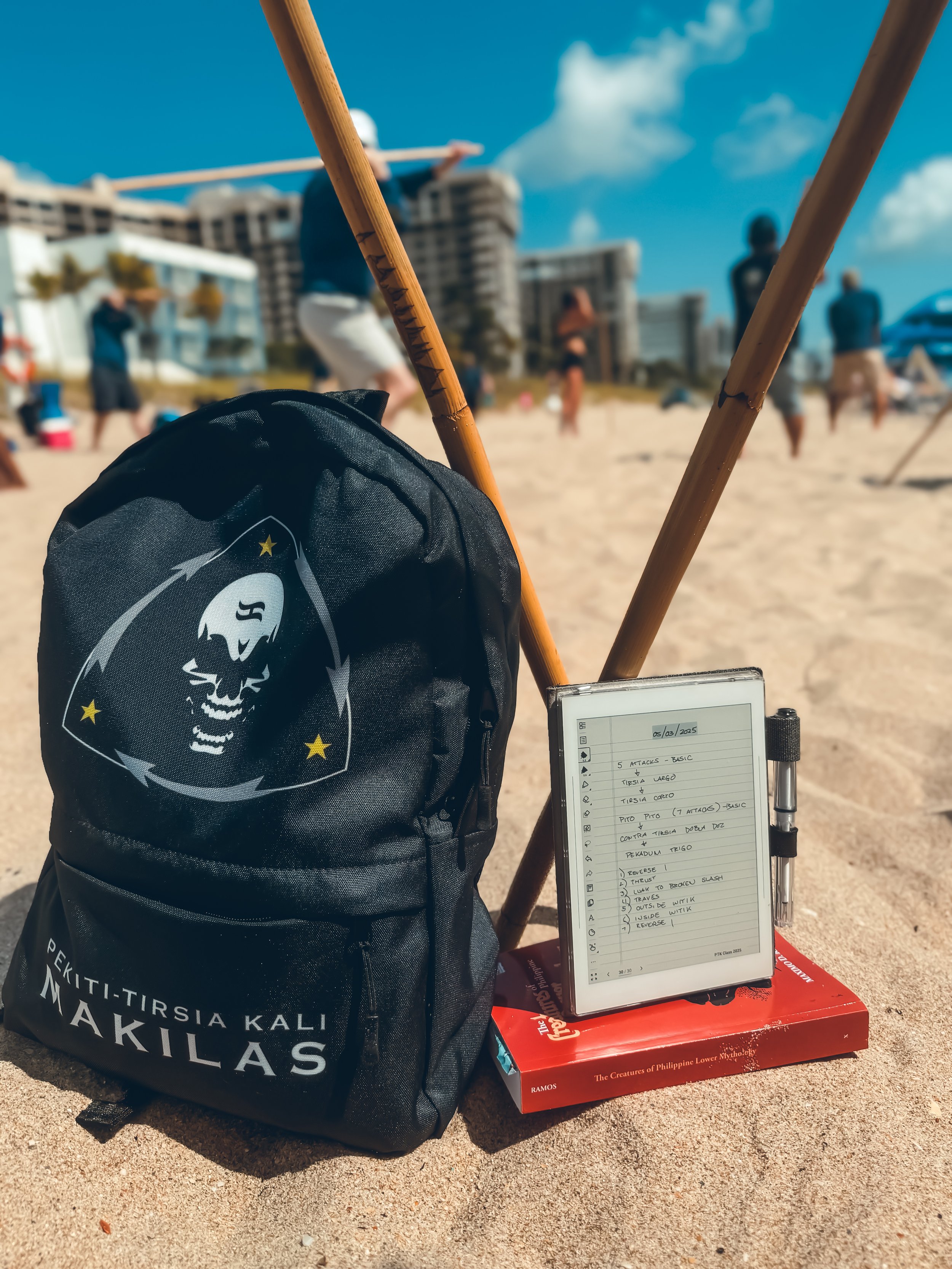
Sometimes that medium is writing. Sometimes it is drawing. Sometimes it is photography, video, diagrams, notes, or reflection. Sometimes it is simply watching a training video and realizing that I remember more than I thought I did.
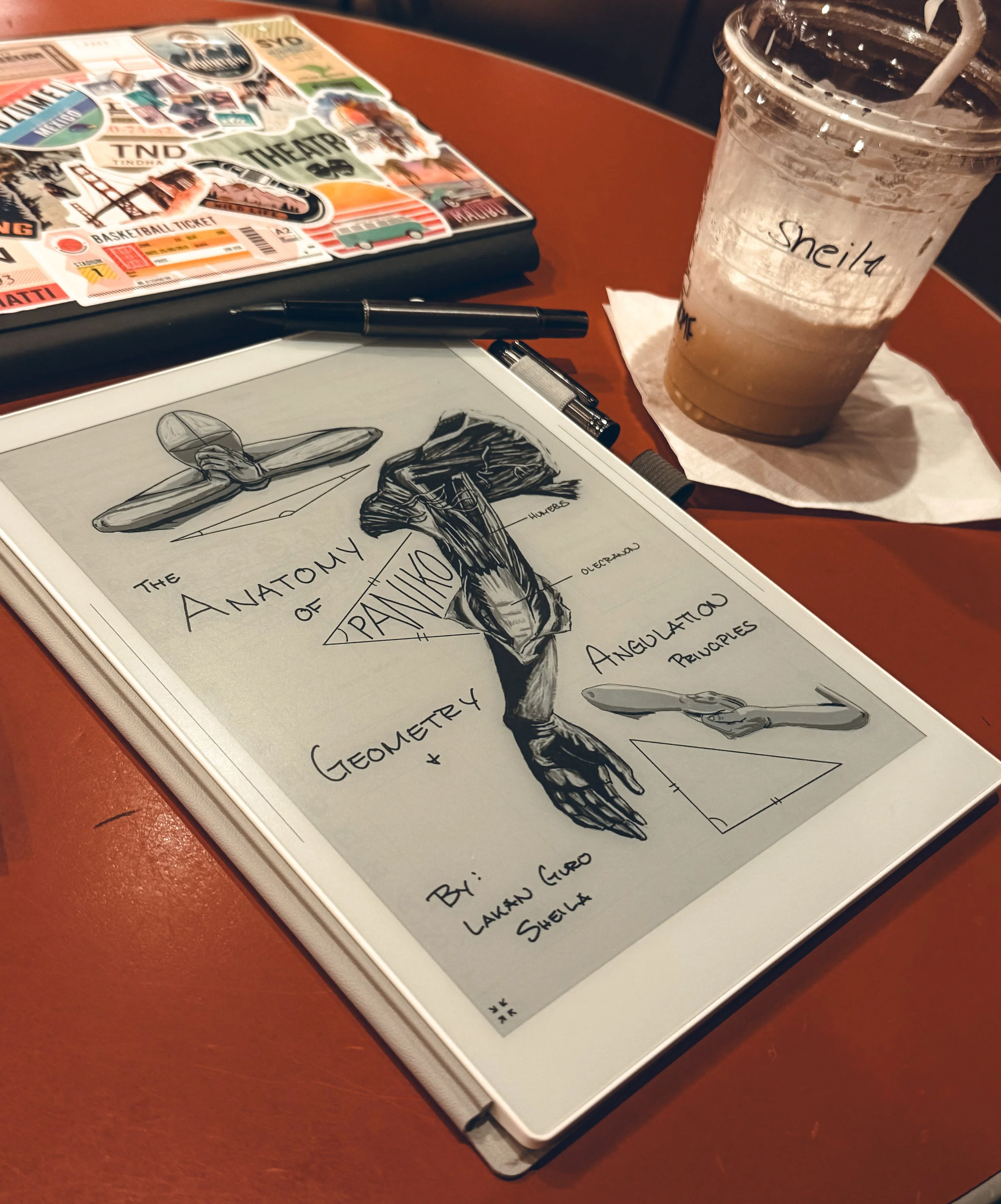
What is funny is that I often remember platforms visually before I remember them technically.
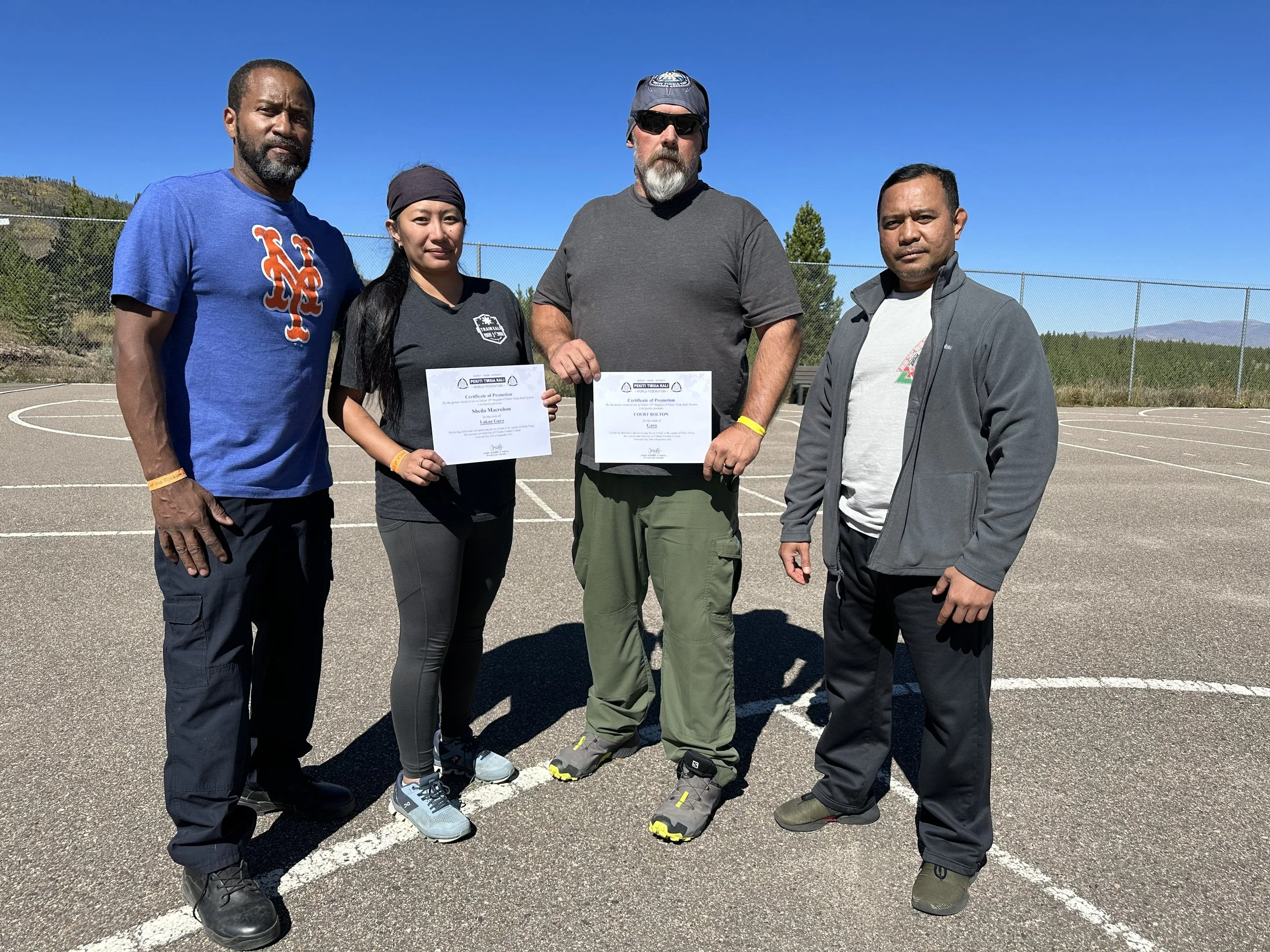
I may not always be able to explain every detail of what was taught in a platform right away, but I can remember the room. I can remember where we were standing. I can remember the background. I can remember the energy of the class. And, for some reason, I can remember the color of Tuhon Rich’s shirt. Kab Kab will forever be “orange shirt” to me.
That may sound funny, but it is also how my brain marks memory. The color, the room, the angle of the video, the people around me, the feeling of trying to absorb something bigger than what I understood at the time — all of that becomes part of how I learn. My training logs are not just records of techniques.
They are records of how I see.
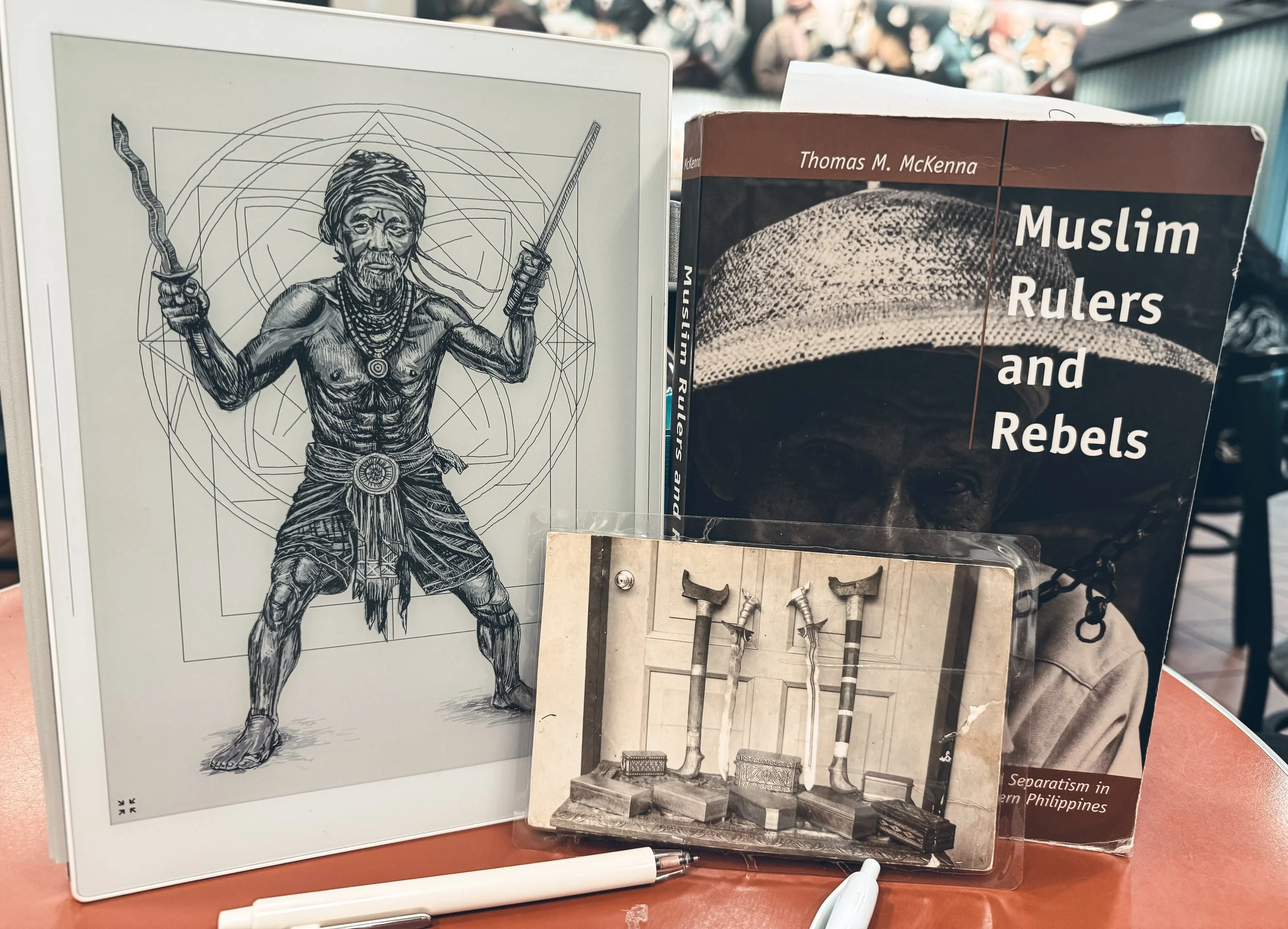
They are reminders that PTK is not only something I practice with my body, but something I study with my eyes, my memory, my hands, and my creative instincts. It has helped me reconnect with the part of myself that used to sit with a sketchbook and try to figure out the world one line at a time. Now, instead of only drawing still objects, I am studying movement. Instead of only looking for shapes, I am looking for relationships. Instead of only recreating what I see, I am learning how to interpret what I experience.
That is where PTK, TrainKali, and art meet for me. They all ask me to pay attention. They all ask me to look deeper. They all ask me to find the pattern beneath the surface.
And maybe that is what this part of my PTK Passport is really about. Not just logging what I learned in class, but documenting how training has changed the way I observe, create, analyze, and remember.
Because somewhere between the performative arts of my childhood, the rattan sticks I held before I understood them, the sketchbook I carried growing up, the camera I picked up when drawing went quiet, and the baston I carry now, I realized I was still doing the same thing.
I was still learning how to see.