The Yakan: Geometry in Thread, Roots in Basilan
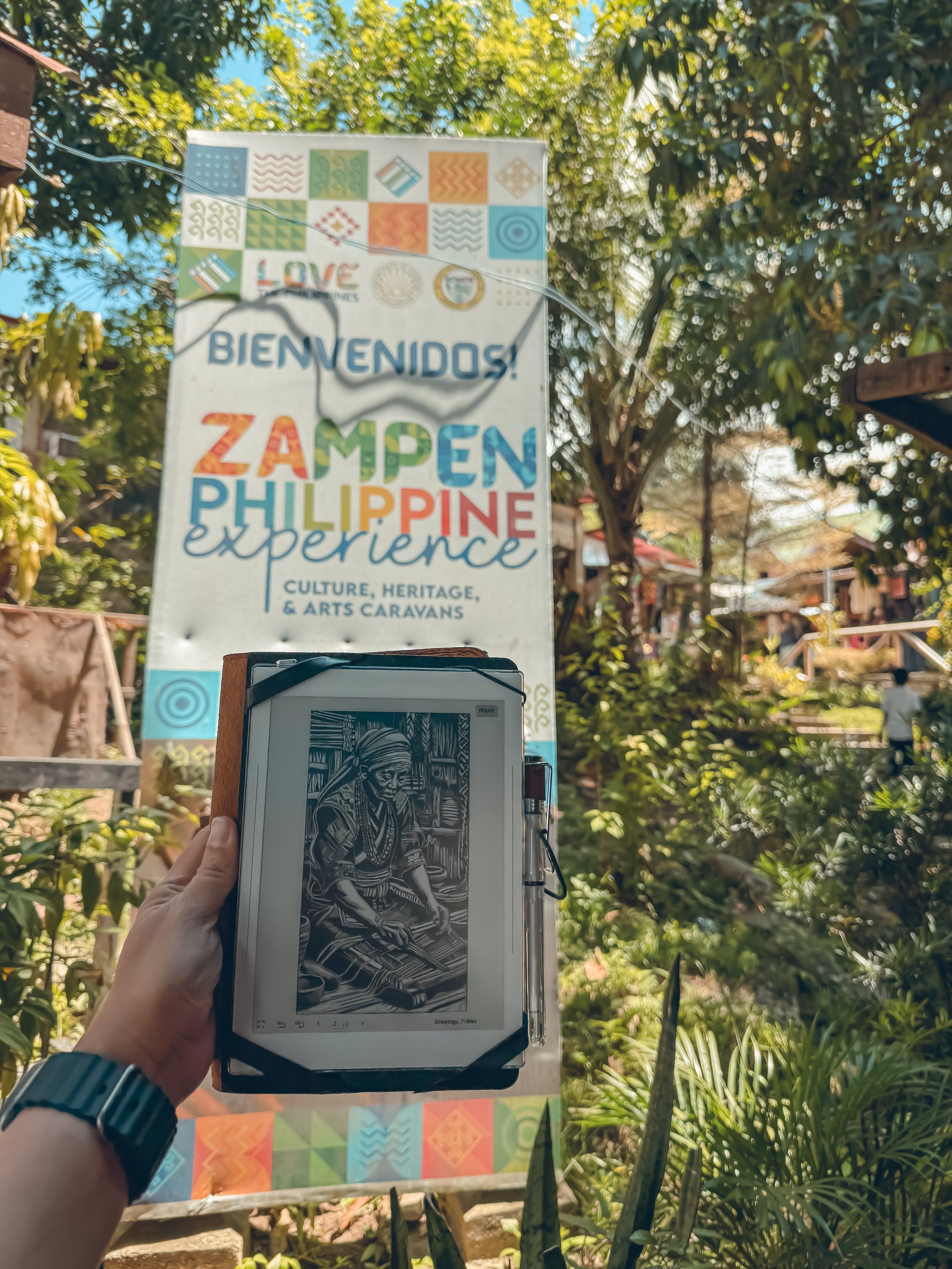
The Yakan are an Indigenous ethnolinguistic group of the southern Philippines, living primarily on Basilan Island and nearby islands off the Zamboanga Peninsula, with smaller communities elsewhere in Mindanao and in Sabah.
On Basilan, the Yakan formed a life shaped by inland farming and island crossings—close enough to the sea to feel the trade winds, but grounded in fields, forest edges, and community ties.
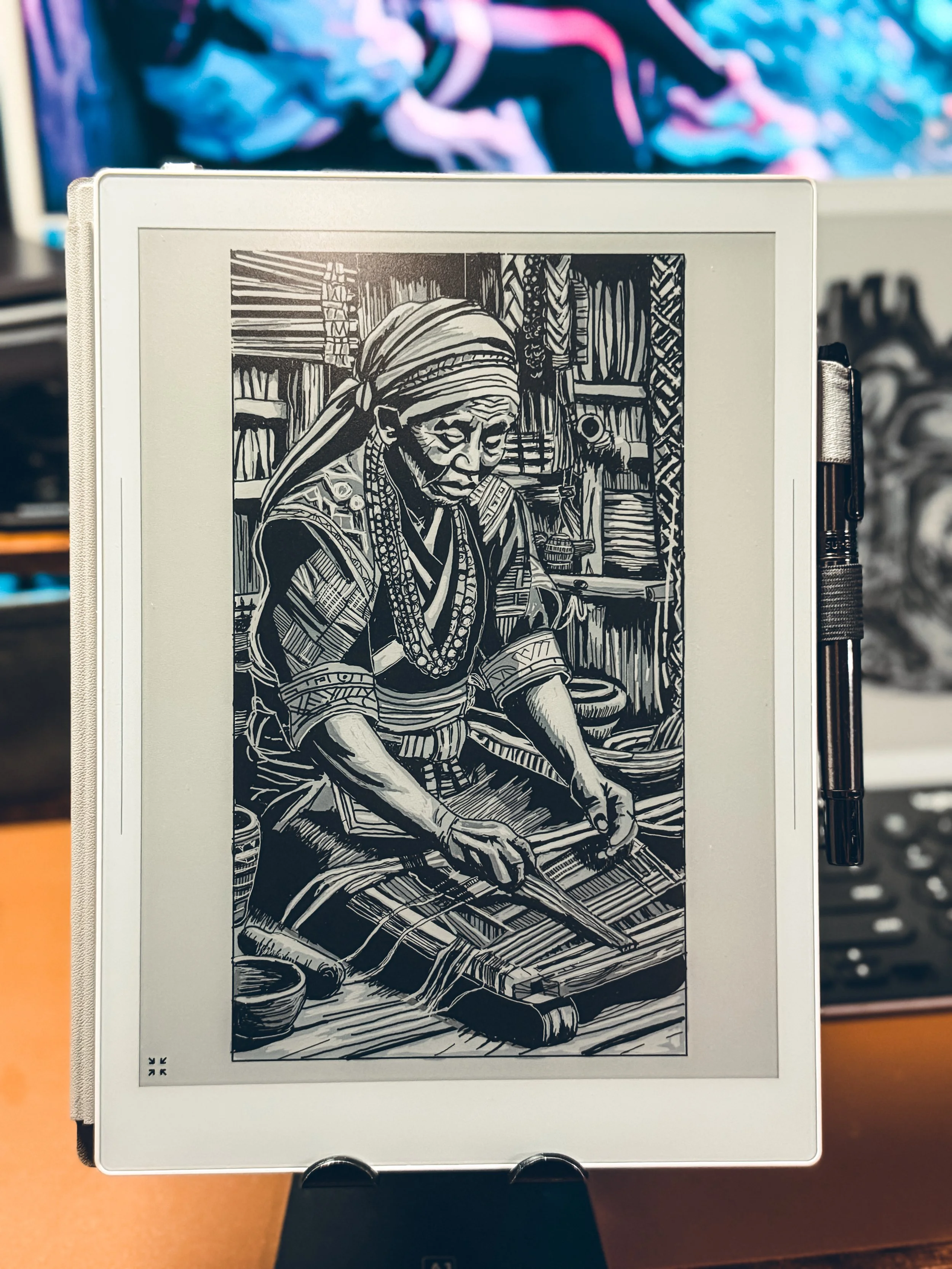
Often described as upland farmers, many Yakan communities are rooted in the mountainous interior of Basilan, growing staples like rice and cassava—life organized around seasons, soil, and shared labor more than coastline spectacle.
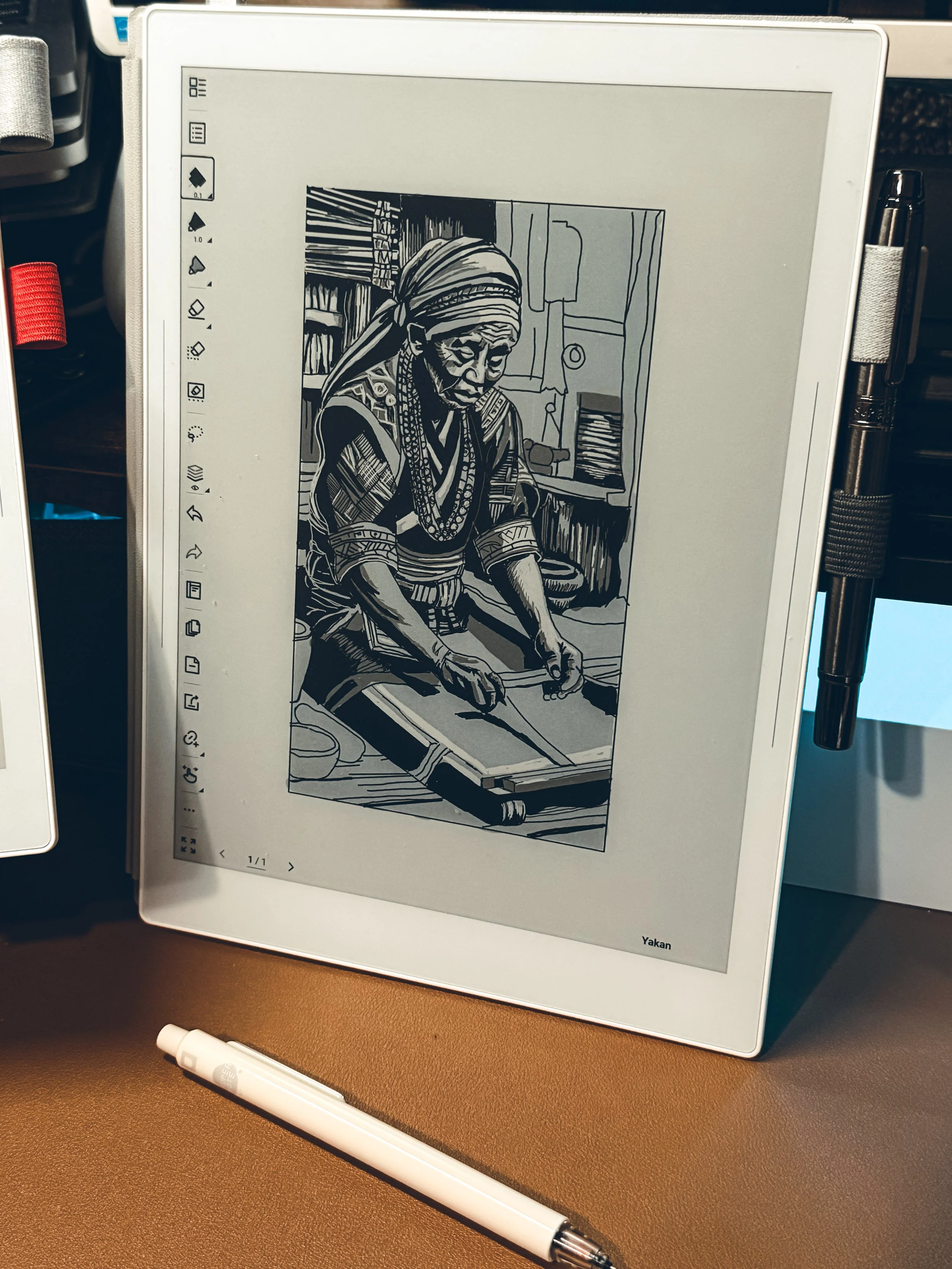
What they’re most widely known for is weaving that reads like a language: tight symmetry, bold color, and patterns passed hand-to-hand. The seputangan stands out—an intensely detailed square cloth worn at the waist or as a head covering, and used in ceremonies like weddings. It’s also described as symbolically connected to rice and planting rituals, linking design to livelihood.
In the 1970s, violence and insecurity pushed many Yakan families to resettle in Zamboanga City. The move changed the setting, but not the craft: weaving traveled with them and became both economic survival and cultural continuity—proof that a people can be displaced without being erased.
Next Up->