The Sama Bajau: Living Between Tide and Horizon
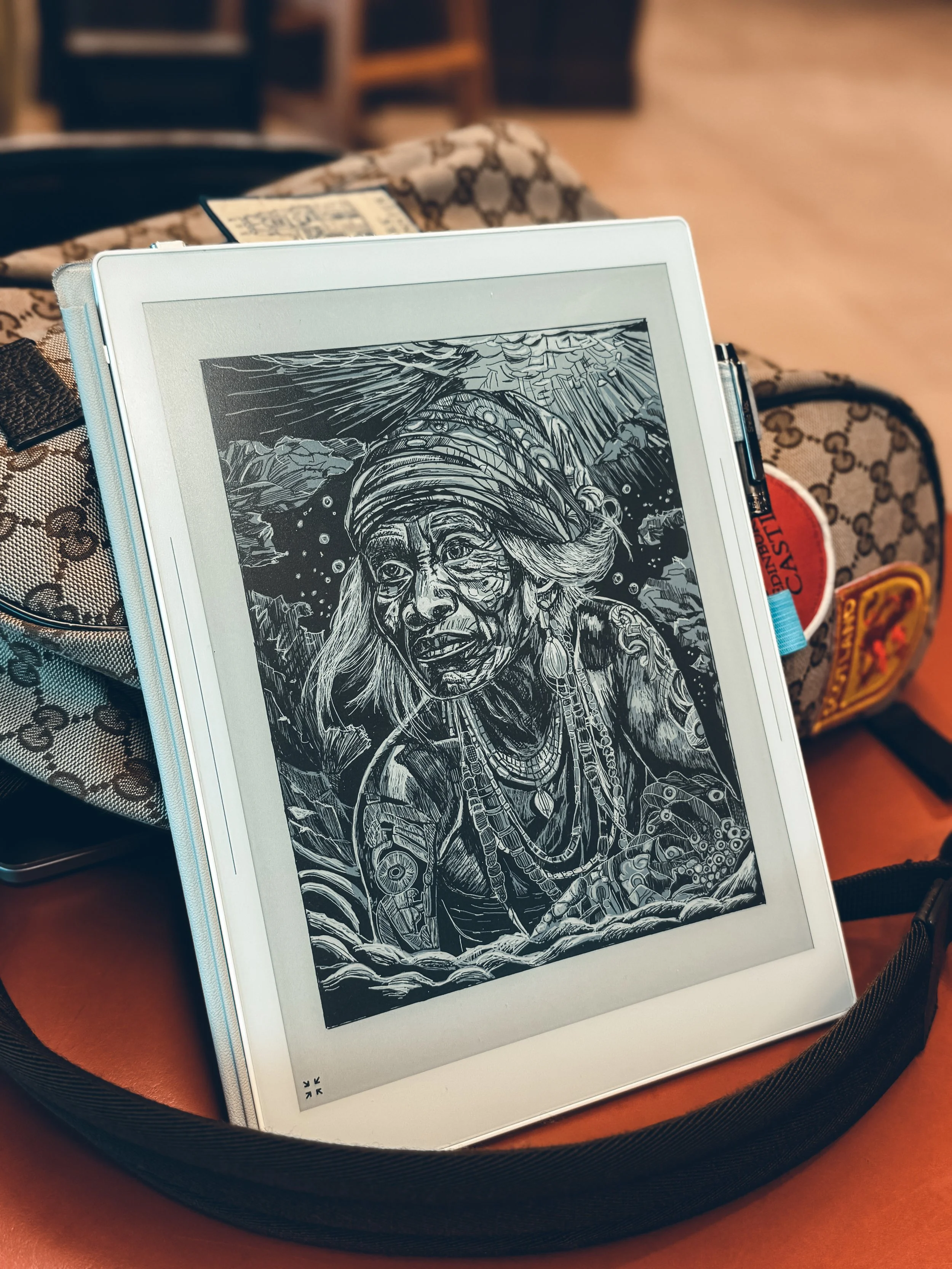
Across the Sulu Sea and Celebes Sea, many Sama Bajau communities have long lived with motion—fishing, trading, and traveling along island corridors where water is road, pantry, and map. Some still raise stilt homes or stay close to the shore in handmade houseboats like the lepa, moving in family-linked flotillas and gathering at shared mooring points through the year.
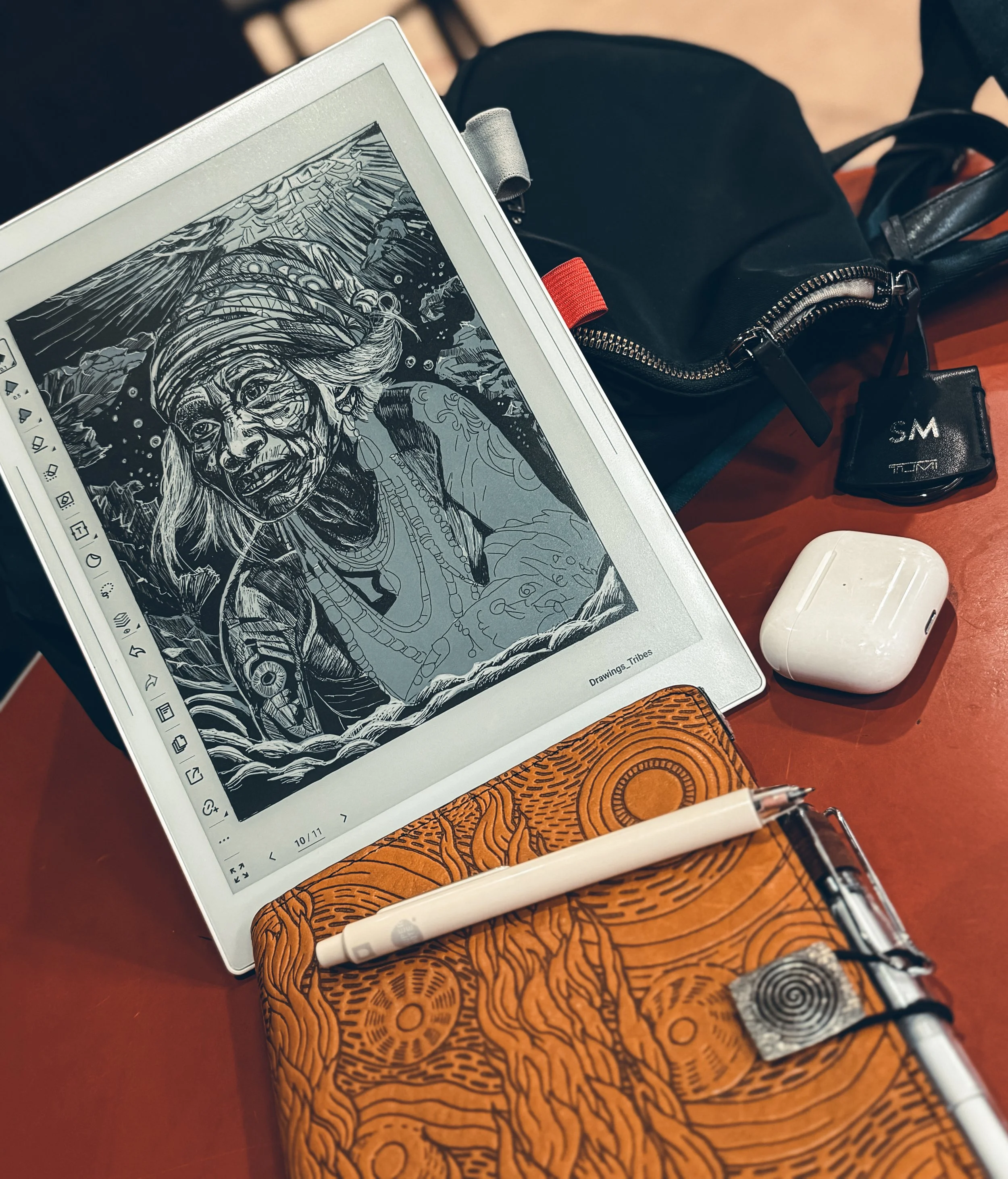
Their free-diving skill isn’t performance—it’s livelihood. Researchers have documented Bajau diving as an everyday endurance practice, and a well-known study found their spleens tend to be much larger than neighboring land groups, supporting longer breath-hold dives by boosting oxygenated blood during submersion.
And they carry culture the same way they carry water: with lightness and repetition. Boat life is decorated with carved forms and motifs (often described as okil), while music and instruments—gong ensembles, xylophone-like gabbang, and more—mark ceremonies and memory as much as any shoreline.
Today, borders and paperwork can weigh heavier than nets. In parts of Sabah—including areas around Semporna—many Sama Dilaut/Bajau Laut families face generations of statelessness and displacement, and recent enforcement actions have destroyed stilt settlements and boats, pushing whole communities into even greater precarity.
Next Up->