Sama Banguingui: People of the Channels and the Open Sea
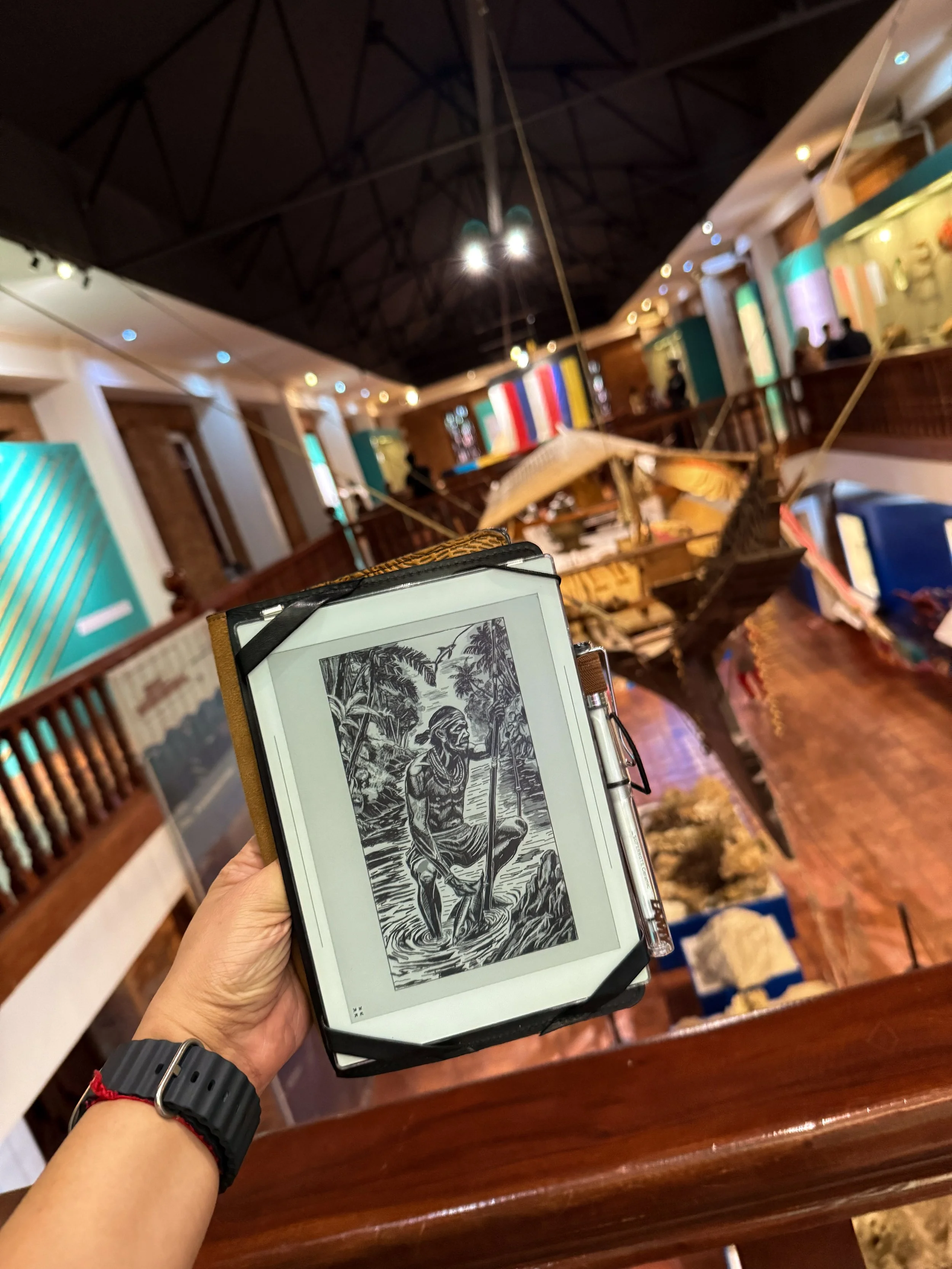
Along the blue corridors of the Sulu Archipelago, the Sama Banguingui have long lived with salt in their calendars—measuring time by tides, wind shifts, and the distance between islands. Their world is coastal and maritime: fishing grounds, sea routes, and communities shaped by movement, kinship, and water that is never truly still.
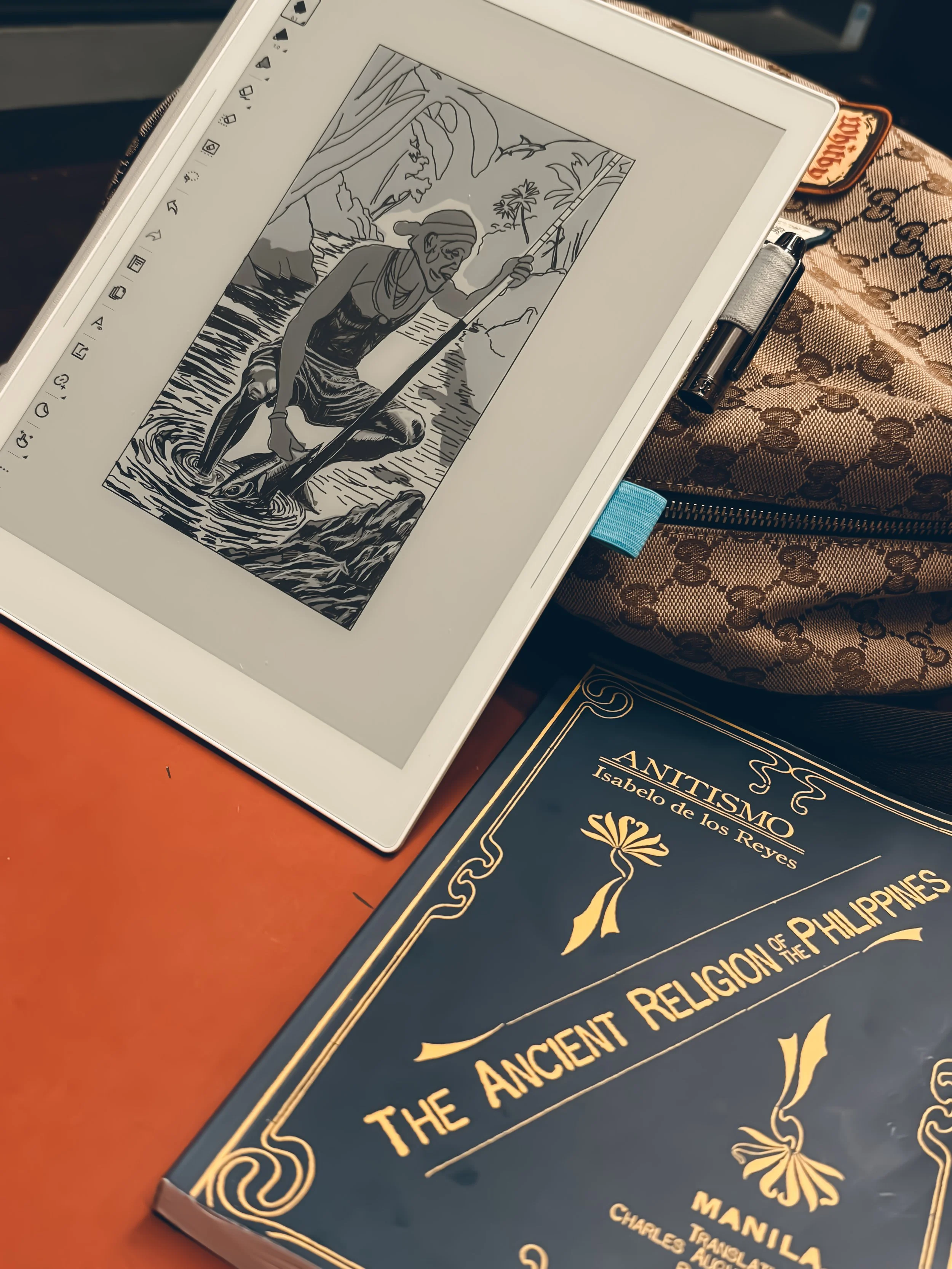
Their history is often told in sharp labels—“raiders,” “pirates,” “forts,” “expeditions”—because colonial records fixated on conflict in the 18th and 19th centuries. But identity is rarely that simple. Scholars describe how the Balangingi/Samal communities formed and changed over time through war, captivity, alliance, and survival in the wider “Sulu Zone.” And in 1848, Spanish forces attacked the Balanguingui strongholds and deported many Samal people far from their island homes—an upheaval that still echoes in memory and dispersal.
Today, the Sama Banguingui are not frozen in the past. You can see modern expressions of community and resilience in places like Zamboanga City—where families continue sea-based livelihoods and, in some areas, women have stepped forward as guides and leaders in local island ecotourism initiatives. Their language—often referenced as Balangingih Sama—remains a living thread that ties shore to shore, story to story.
Next Up->