I didn’t plan to take a solo trip to China in 2019.
It just became one.
First came the logistics—the kind that make a dream feel like a stack of paperwork. A visa. Forms. Photos. Dates. The quiet anxiety of “What if I mess this up and the whole thing falls apart?” I remember staring at my calendar like it was a map and every box I checked off was another step closer to something unreal: running the Great Wall Marathon with Albatros Adventure Marathons.
And then came the part that made it real in a different way—nobody wanted to do it with me.
“Wait… you’re running on the Great Wall?”
Yes.
“Like… the actual Great Wall?”
Yes.
And suddenly everyone had somewhere else to be.
So I went alone.
Weeks before I left, I started studying the basics of Mandarin like I was packing phrases the way you pack socks—just in case. Hello. Thank you. Where is…? I practiced in my car, in my kitchen, under my breath while scrolling travel details at night. It wasn’t about sounding fluent. It was about respect. About not arriving empty-handed in a place that didn’t owe me ease.
I built my plan like an itinerary and a dare: three days in Xi’an before heading to Beijing for race week. Terracotta Warriors. Ancient history. Food. The kind of travel where your legs are tired before the marathon even starts, but your heart keeps saying, keep going.
And honestly? The adventure started before I even left the U.S.
I had a stop in LA, and somehow the universe timed it so I could meet up with my cousins and my mom—because one of my cousins was graduating from college. So there I was, in that pre-trip haze, sitting at dinner with family, trying to hold two realities at once: celebrating someone’s milestone while knowing I was about to disappear across the Pacific for my own.
Then my flight got delayed by two hours.
Two hours doesn’t sound like much until you realize it’s the difference between “smooth connection” and “welcome to chaos.” That delay dominoed into me missing my connecting flight to Xi’an, and the next thing I remember is sprinting through the Guangzhou airport like my carry-on was a second heartbeat.
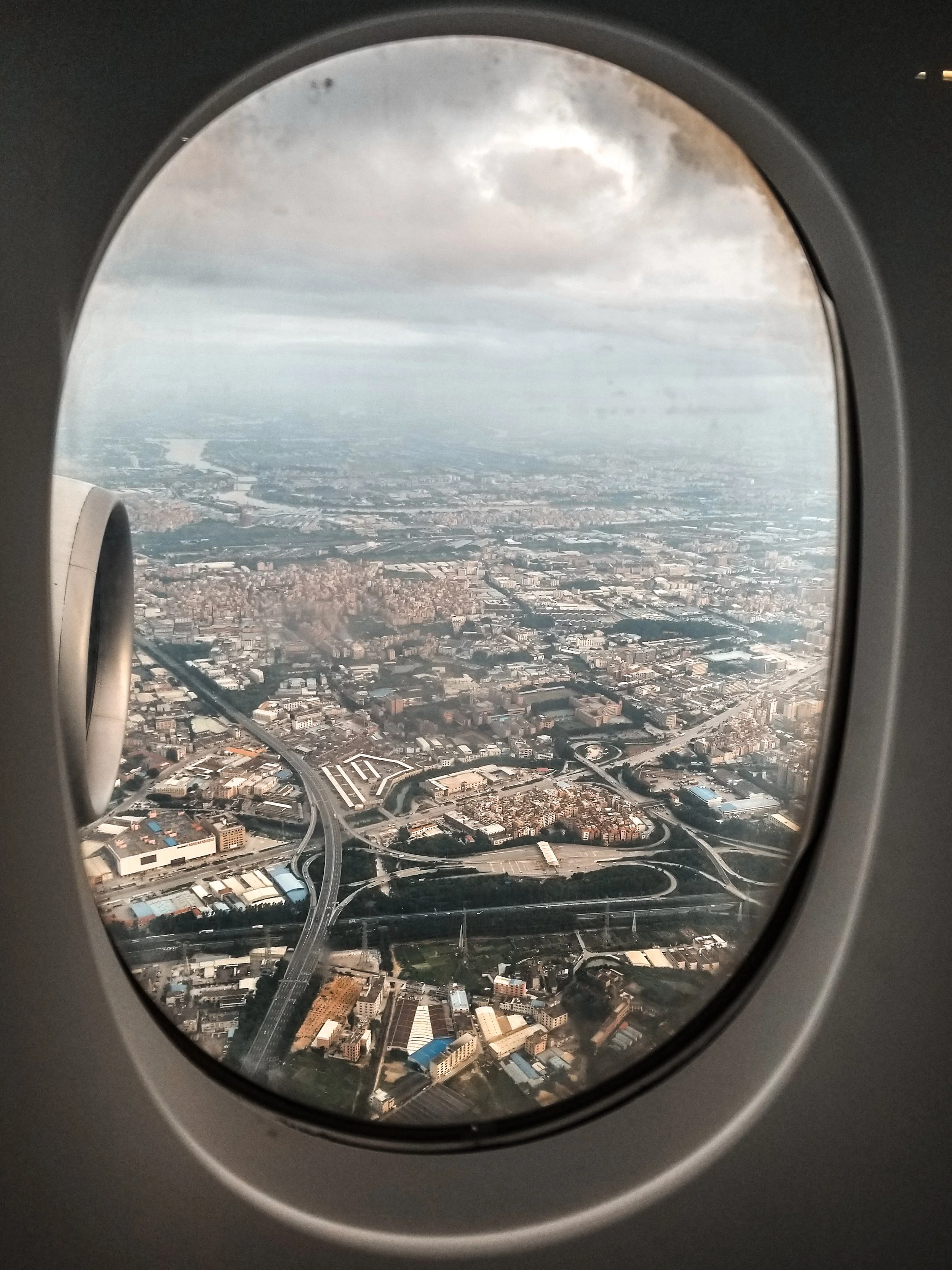
I wasn’t just running for a gate—I was running to keep my plan intact. To keep my driver in Xi’an from giving up on me. To keep my first solo landing from turning into a stranded story.
I tried calling my driver and quickly learned what it feels like to be brave and helpless at the same time. I remember needing three people to piece together the translation so I could explain: I’m delayed. I’m coming. Please don’t leave.
There’s something humbling about that moment—standing in an airport halfway around the world, relying on strangers to help you say the simplest thing. You don’t get to hide behind confidence. You either ask for help or you drown in silence.
When I finally arrived in Xi’an and checked into my hotel, relief hit me like a warm blanket. I could breathe again. I wasn’t lost. I wasn’t stuck. I made it.
And the best part? The hotel was a block away from the Silk Road.
A block.
I remember thinking, I can’t believe my legs carried me across the world and now I’m sleeping next to history.
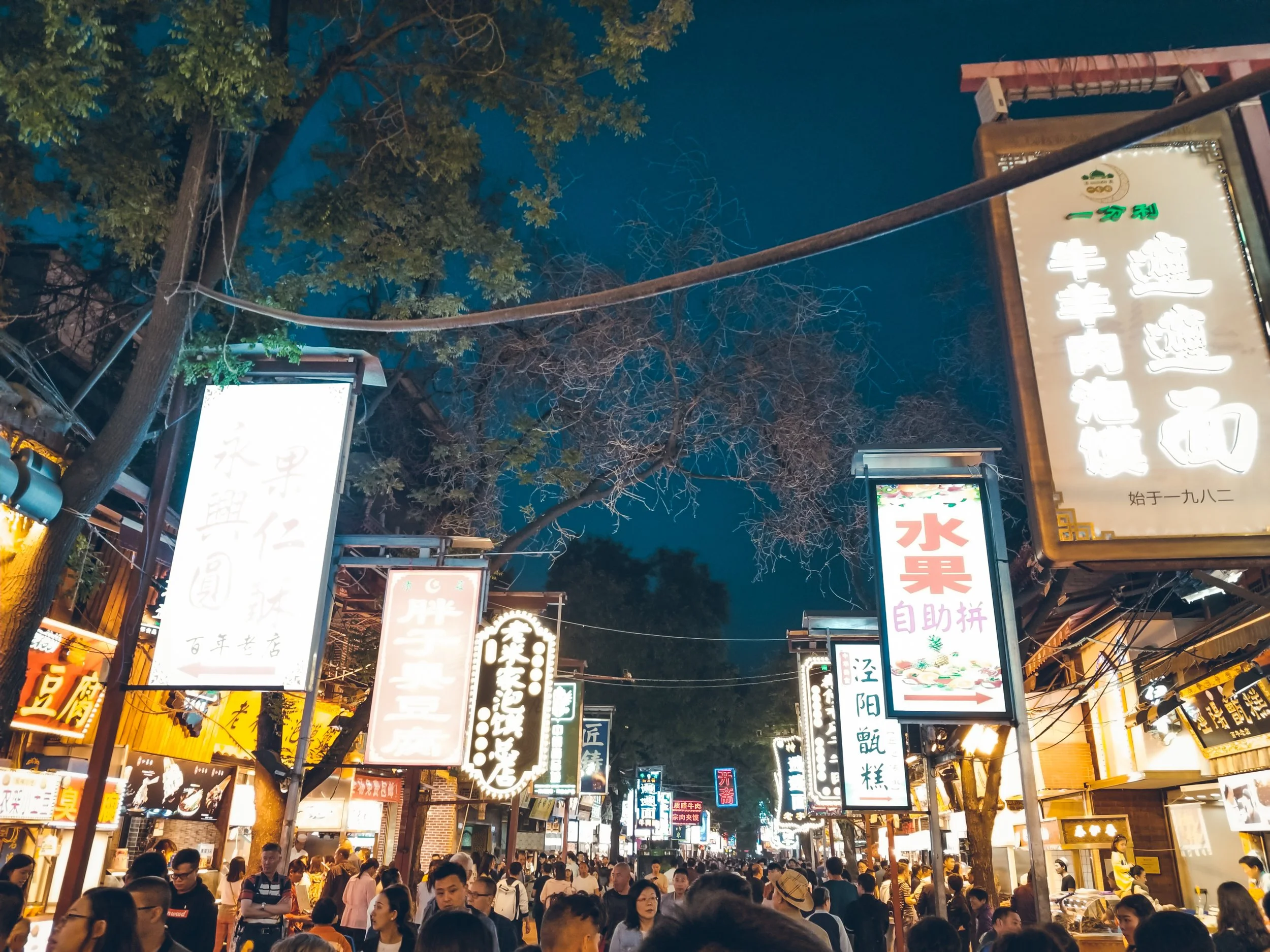
That first night I actually rested—like the kind of sleep that only comes after you’ve been wrung out by delays, airports, and adrenaline. And then, later that evening, I joined a food tour that ended up becoming one of my favorite memories of the whole trip.
My tour guide, Lily, took me through the Silk Road area like she was introducing me to old friends. She had this way of making the city feel welcoming—like I wasn’t a tourist passing through, but a person being let in.
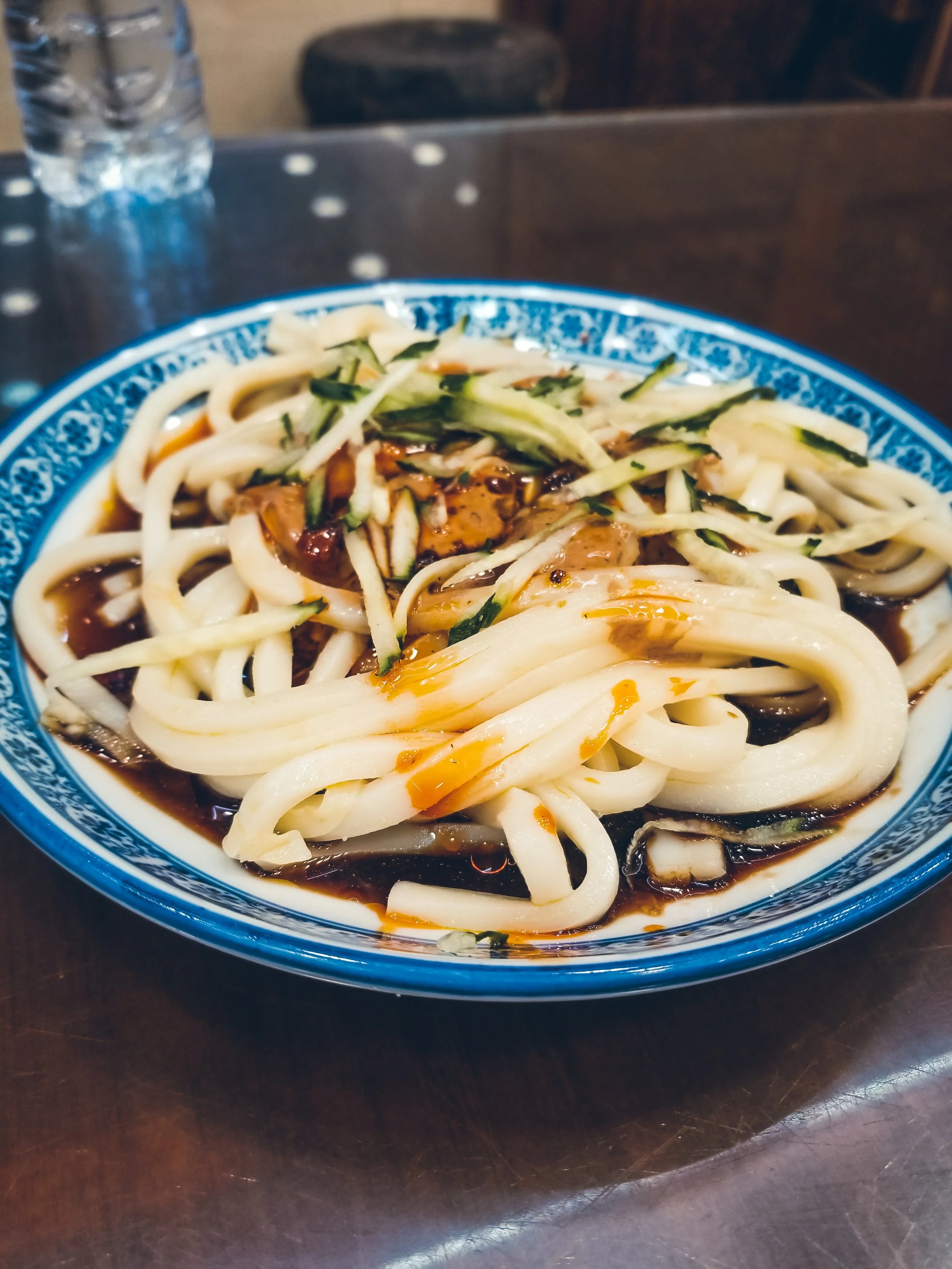
She had me tasting everything: roujiamo (which felt like comfort food with an edge), yangrou, and the famous biangbiang noodles—wide and bold and unapologetic, like they were made to remind you that you are definitely not eating at home anymore.
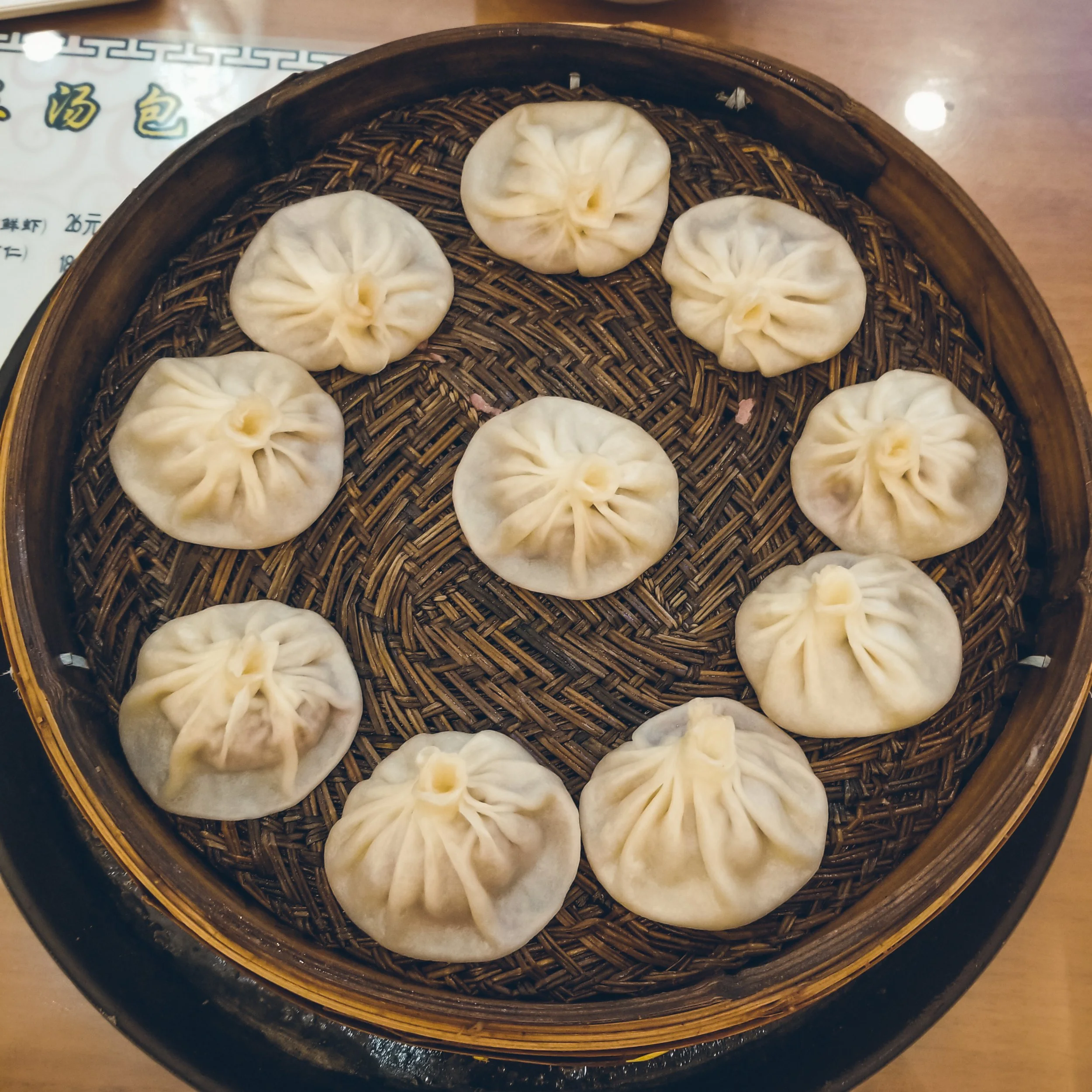
She also took me to one of the oldest restaurants on the Silk Road for soup dumplings, and because it was so close to my hotel, it became my anchor spot. The place I kept returning to when I didn’t want to think too hard—when I just wanted something warm and reliable after a day of awe.
That night we walked near the Bell and Drum Tower, and I remember standing there feeling completely dwarfed—not just by the buildings, but by time. Xi’an carries its history differently. It doesn’t whisper. It stands there, steady, like it’s always known you’d arrive eventually.
I kept thinking about how young America feels in comparison. How in the U.S., we’re constantly building and rebuilding—new paint, new roads, new everything—while here, the past is layered into the present like it belongs there.
Xi’an is one of the oldest cities in China, with history stretching back thousands of years, and you can feel that. It’s in the stones. In the rhythm of the streets. In the way the city doesn’t rush to impress you—it just exists, confident in what it has already survived.
The next day, I took a tour to see the Terracotta Warriors and Army—and I’m not exaggerating when I say it hit me in the chest.
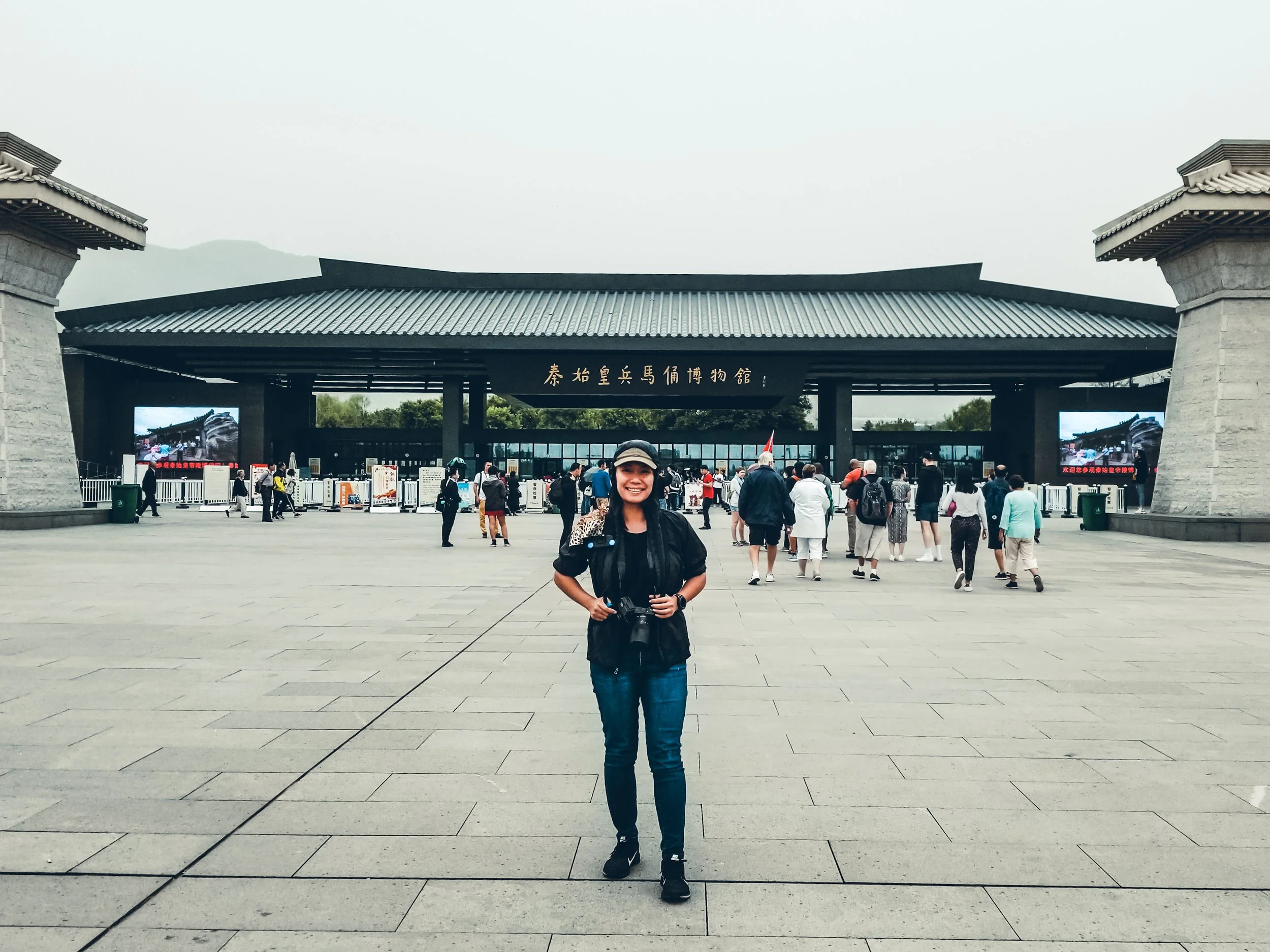
I had seen pictures, of course. Everyone has. But being there is different. The scale. The silence. The realization that you are standing in front of something that feels almost impossible to have been made by human hands.
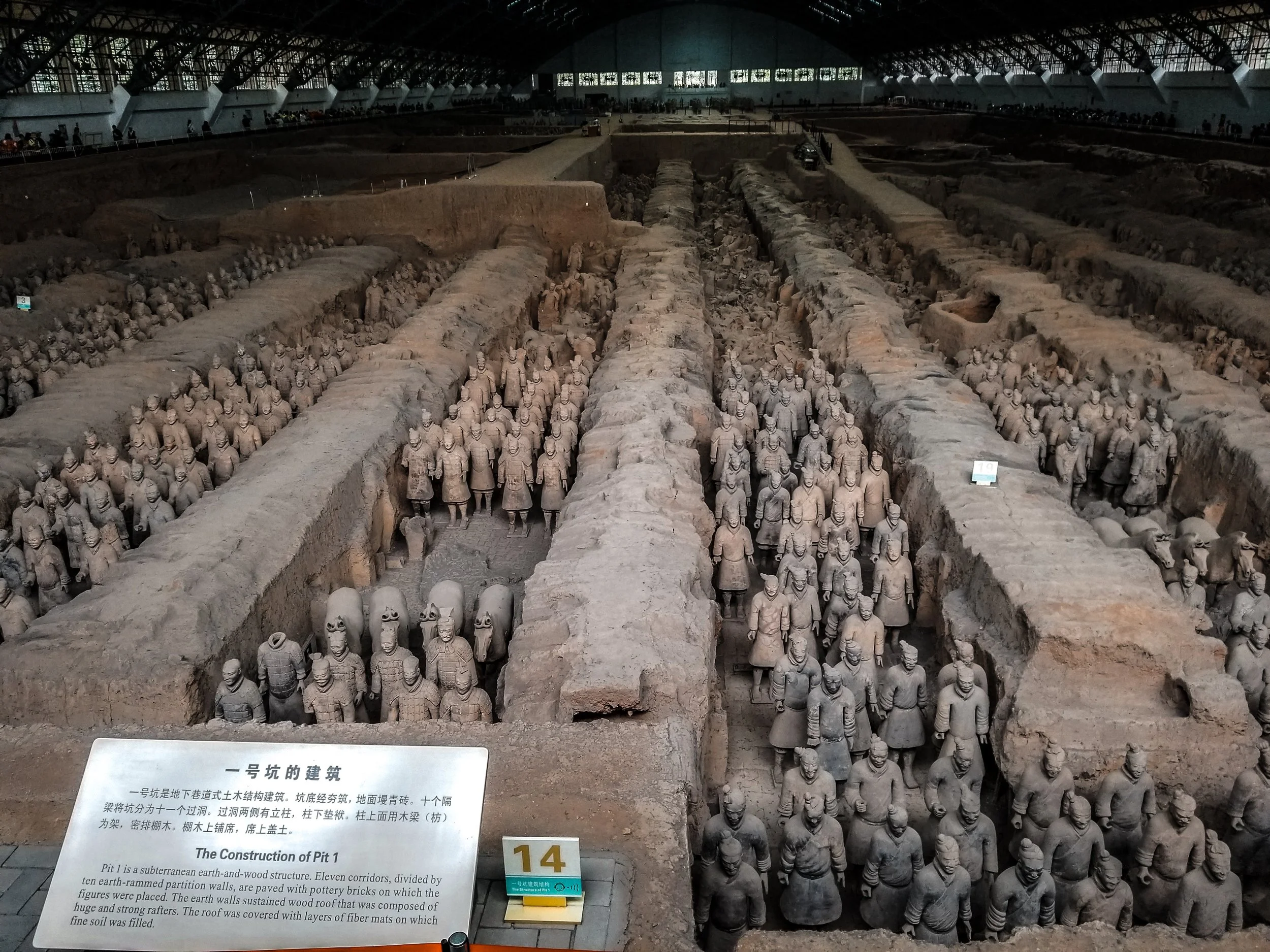
And then the detail: no two faces the same. The individuality. The patience it must have taken. The fact that only a fraction of the pits have been uncovered—like the earth is still keeping secrets and revealing them only when it’s ready.
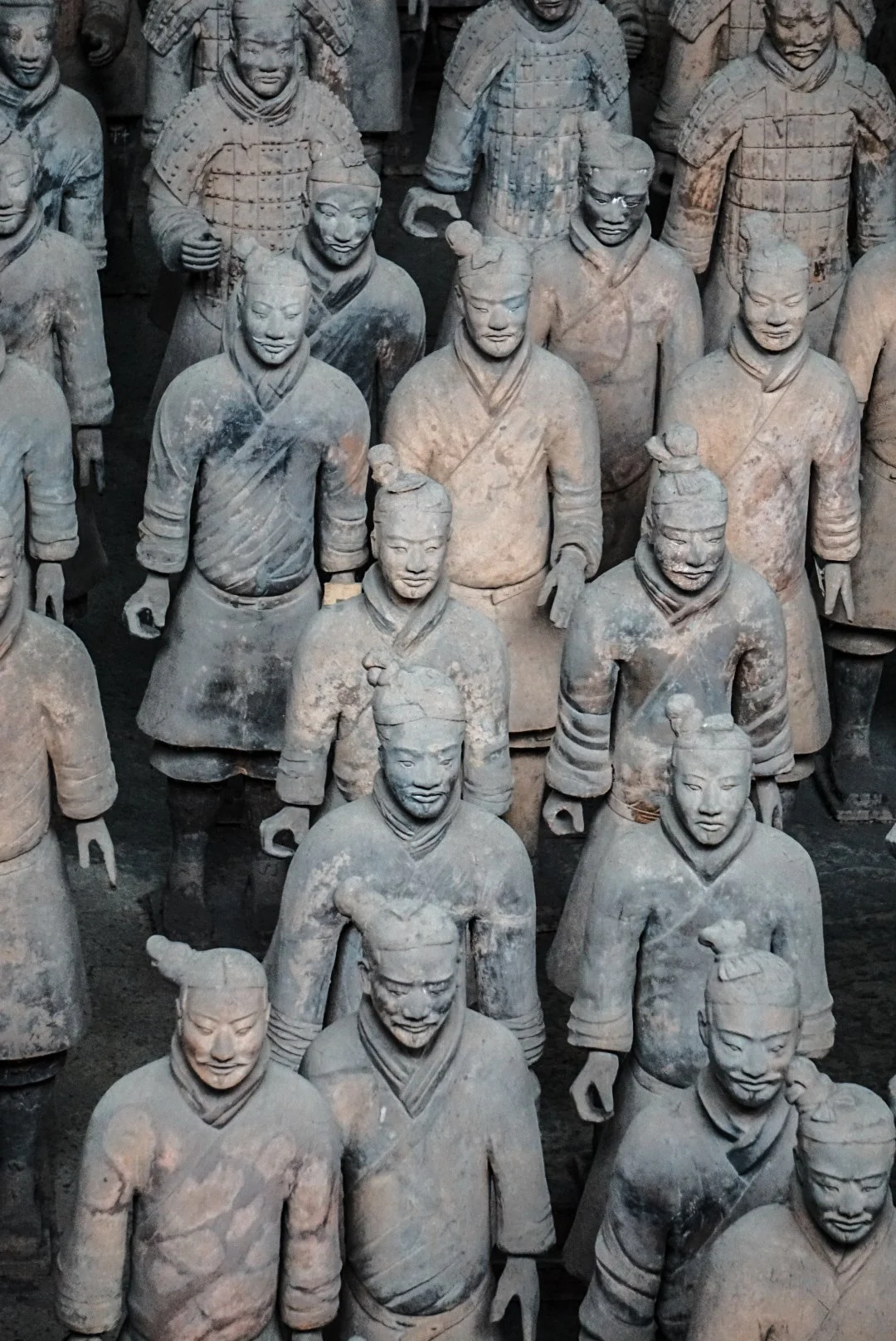
That part stayed with me.
Because I was there alone—no one beside me, no shared commentary, no “Can you take my picture?” moment that turns into a conversation. Just me and this overwhelming proof that humans can create things so intricate, so massive, and so enduring that centuries later it still stops strangers in their tracks.
It made me feel small, yes—but also capable.
Like if I could get myself across the world, through delays and missed flights and language barriers, to stand in front of something this extraordinary… then maybe I was stronger than I gave myself credit for.
I kept moving through Xi’an like that—one experience stacking on top of the next.
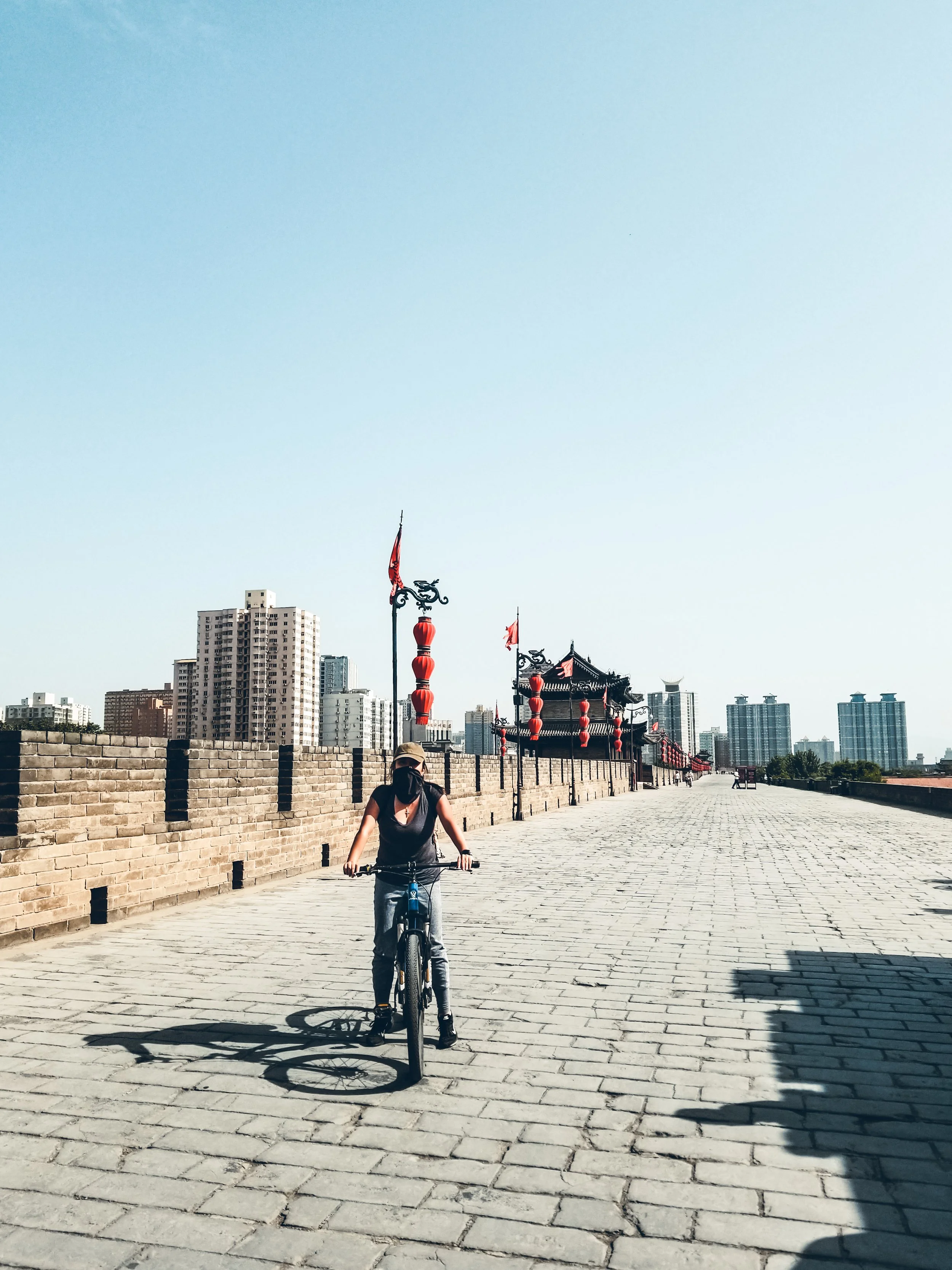
I rode a bike along the Ancient City Wall, feeling the wind and thinking, This is what it means to travel with your whole body. Not just your eyes. Not just your camera. Your legs. Your lungs. Your sense of balance. Your willingness to keep going even when you don’t know what’s around the next corner.
I visited the TanBo Art Museum, wandered the Muslim Quarter, and made my way to Banpo Village, which felt like stepping into another layer of time entirely. Each place added a different texture to the trip—like Xi’an wasn’t one story, but many stories overlapping in the same space.
By the end of those three days, I felt full—full of food, full of history, full of that specific kind of exhaustion that comes from seeing too much and still not wanting to stop.
And then it was time.
After Xi’an, I was ready to head to Beijing—ready to shift from exploring to focusing.
Ready to run.
Because the Great Wall was waiting.
And somewhere between visa paperwork and Mandarin flashcards, between Guangzhou airport sprints and soup dumplings on the Silk Road… I realized the marathon had already started. The race wasn’t just on the Wall.
The race was everything it took to get there—alone, on purpose, and wide awake to the fact that adventure doesn’t begin at the starting line.
It begins the moment you decide you’re going anyway.
Part 1 of 3 Solo Trip To China
Next Up ->