Tokyo Go-Kart Adventure: Shibuya to Rainbow Bridge

I knew I wanted to do the go-kart experience in Japan the moment the idea became real in my head.

It wasn’t just “something to do in Tokyo.” It was childhood nostalgia colliding with adult freedom—the kind of thing that makes you think, Wait… I’m really about to live inside one of my favorite video game vibes?

But first: logistics. Because Japan doesn’t let you just hop into a kart and wing it.

Before I even got on the plane, I had to get an international driver’s permit. Honestly, that part was easy—walked into AAA, paid about $30, and walked out feeling like I had unlocked a new travel side quest. One little booklet, one official stamp of permission, and suddenly my dream had a pathway.

When I arrived in Japan, I was already buzzing. This trip was with my mom and cousins—family time, exploring, eating our way through memories we hadn’t made yet. But the timing was wild because some of my friends were also in Japan at the same time. So we did what travelers do when the universe lines things up: we made a plan and turned it into a meet-up.

Go-karts. Together.

When we finally got to the experience, they ran us through a quick safety briefing and verified our paperwork. Very official. Very “we’re about to do something fun but we’re going to do it correctly.” And then came the best part—the costumes.

Part of the experience is getting to dress up as recognizable characters (I’m leaving names out for legality purposes, but you already know the energy). It’s ridiculous in the best way. Like you’re handing adulthood the keys for a second and saying, “Hold on, I’m going to go be nine years old again.”

Except… it was February.

And February in Tokyo does not care about your childhood dreams.

It was cold—especially for someone not used to that kind of temperature—and the one thing I regret is not bringing gloves. My fingers were freezing, the kind of cold that creeps in slowly and then suddenly you realize your hands feel like they belong to somebody else. If you ever do this in winter: gloves. Learn from me.

And then we were off.
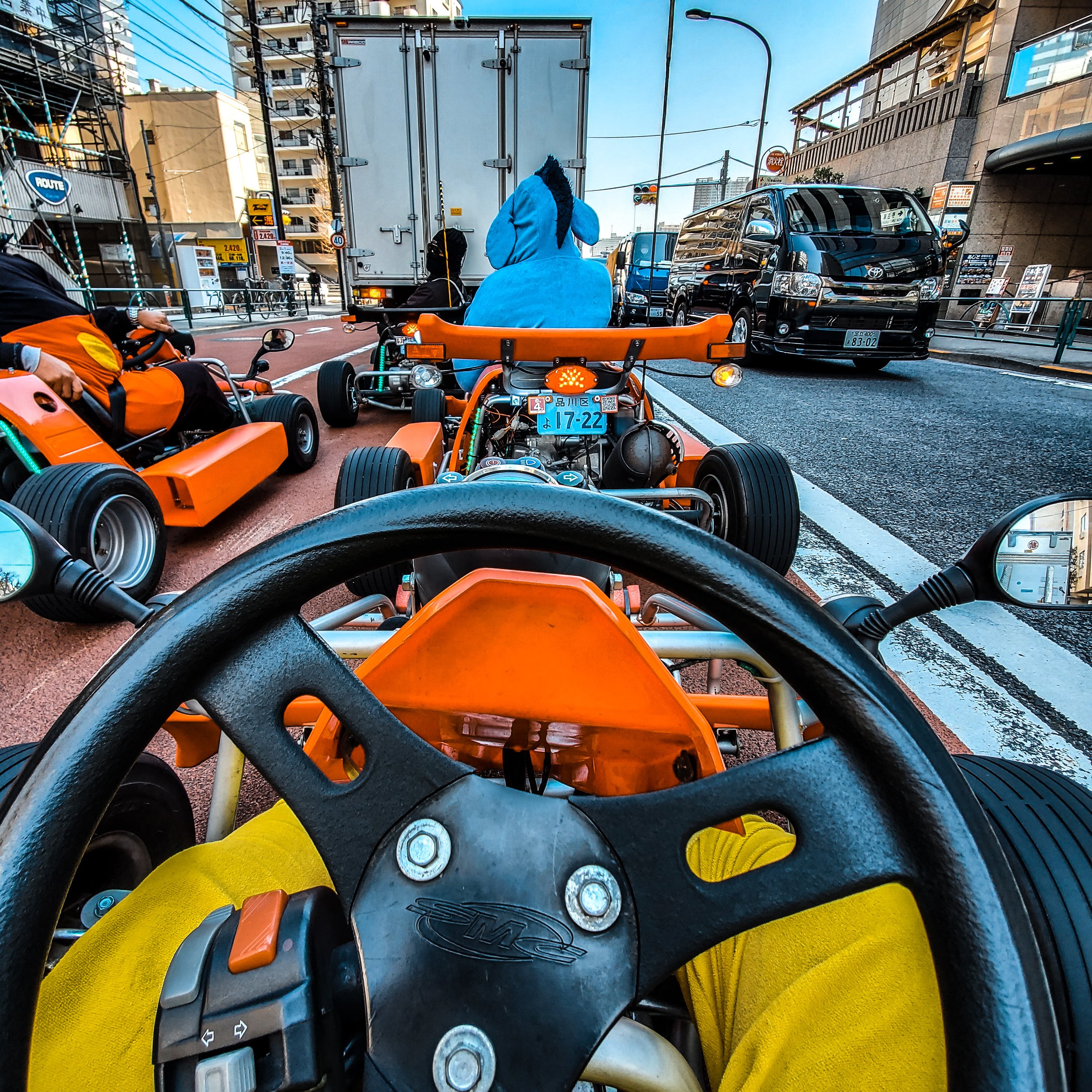
The first thing that surprised me? How fast those little karts can actually go. Like—fast fast. The kind of fast that makes you laugh and panic at the same time.

My kart was shaking like it was caffeinated. At first I couldn’t tell if it was the road, the engine, or the kart being pushed to its limit… but honestly that trembling became part of the thrill. Like the whole thing was vibrating with excitement.

We drove through Shibuya—right through the heart of Tokyo’s pulse. Bright signs, movement everywhere, people turning their heads because you’re literally a grown adult in a character costume driving a go-kart through the city like it’s a completely normal Tuesday.


We passed iconic landmarks, rolled by the Tower, and then—my favorite part—we hit Rainbow Road.

And yes, I know what that sounds like.

But being on that route, surrounded by real cars on the highway, felt exactly like one of those game stages where you’re suddenly driving next to traffic and your brain can’t decide if you’re in reality or inside a memory. I swear my inner child was screaming the whole time.
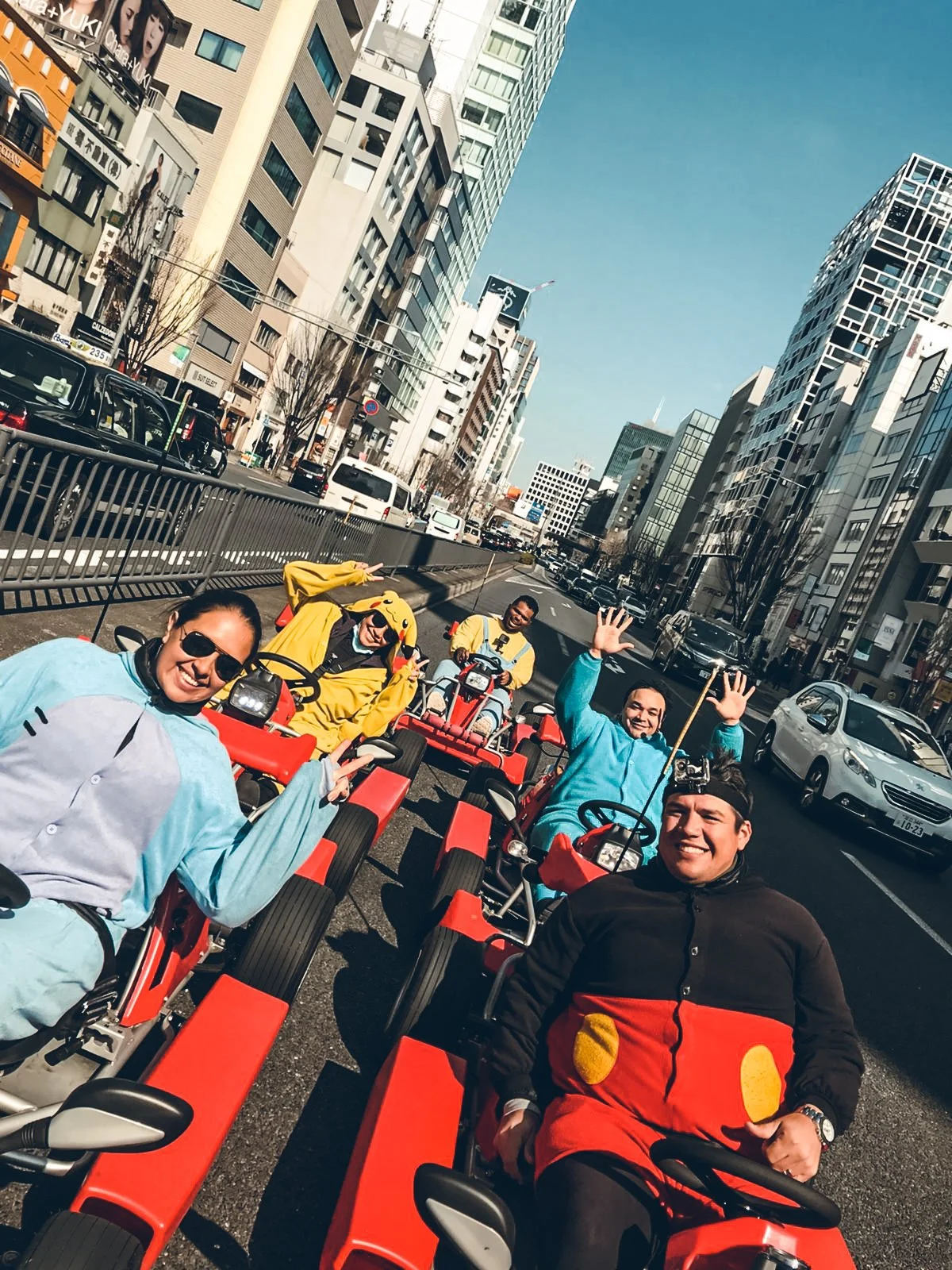
There was a moment where I looked to the side and saw regular cars pacing alongside us and thought, This is insane.The best kind of insane. The kind that makes you feel alive and laughing and completely present.

It was Tokyo, but it was also a time machine.


And when we finally pulled back in, cheeks cold, fingers frozen, adrenaline still humming… I knew I’d remember it forever.


If you’re visiting Japan and you grew up with nostalgic memories of racing, drifting, dodging imaginary hazards, and launching playful chaos at your friends—this is one of those experiences that delivers exactly what your inner kid hopes it will.

Just do yourself one favor:

Bring gloves.


And be ready to grin so hard your face hurts.
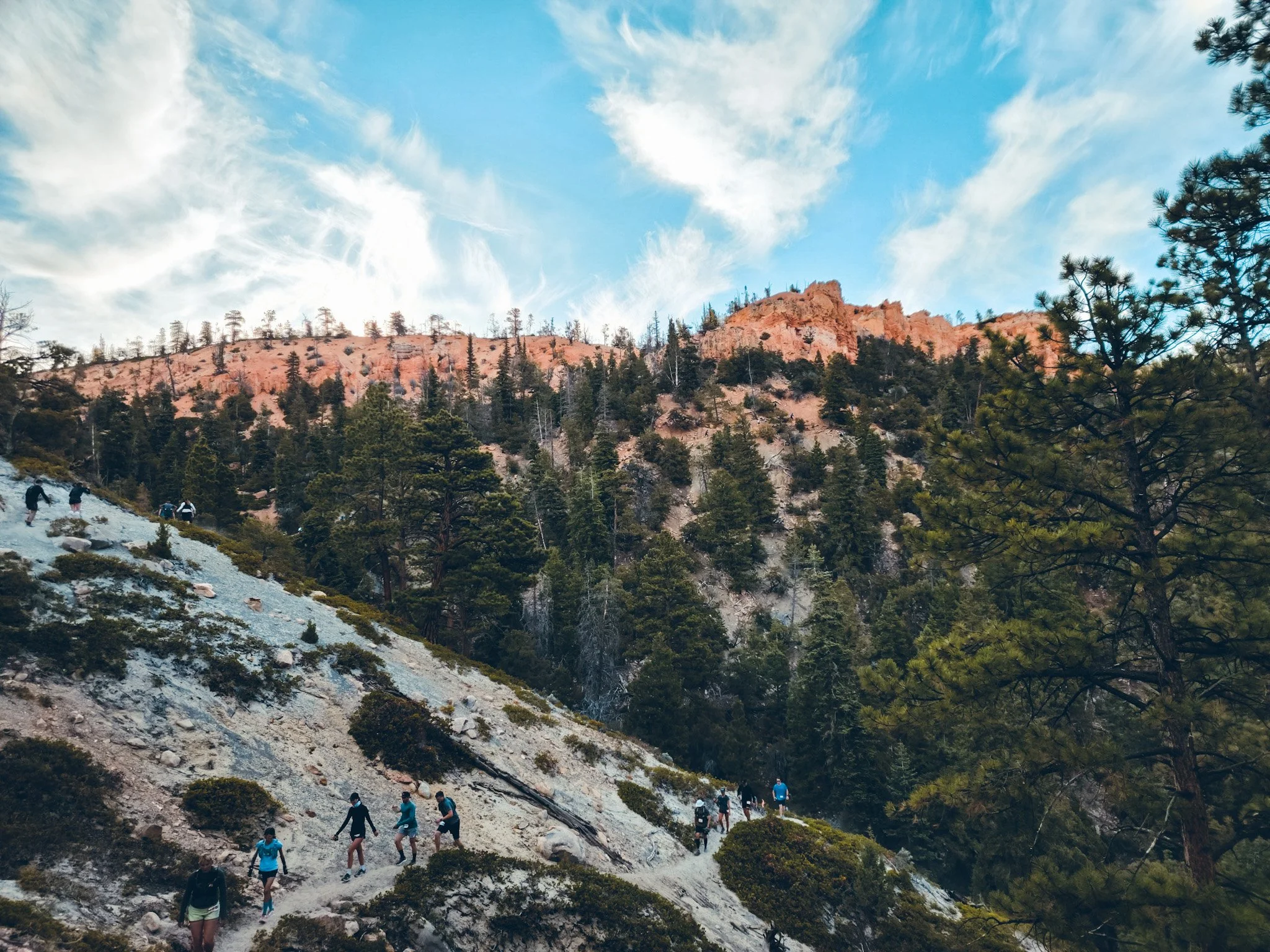
So I got a DNF on the 60k ….and I am so relieved.


I used to think that checking the box of completing an ultramarathon would signal the end of something—that it would be the final chapter of my relationship with running. But the more miles I’ve put behind me, the clearer it’s become that I was never running toward an ending. I was answering a call.

Running has carried me across landscapes I never would have seen otherwise. It has taken me to places I didn’t plan on going, introduced me to people I didn’t know I needed, and opened doors I once thought were closed to me. Miles have a way of stripping things down—through fatigue, injury, and quiet persistence, friendships are forged, belief is tested, and something deeper is revealed.

The most important thing running has given me isn’t endurance or distance—it’s belief. Belief in myself. Somewhere along the way, my ifs began to shift into when. Not out of arrogance, but out of knowing. Knowing that what I need to keep moving forward has always been within me. It was never a question of if I could do something difficult—only whenI would be ready to meet it.

That’s why this goal goes back onto my adventure list, unhurried. Other paths have surfaced, other calls have grown louder, and I’m learning to listen. Watching 100-mile runners move through 36 hours of effort was a humbling reminder of scale—of what the human spirit can endure. They exist in a different orbit of resilience, alongside Sherpas and others who move through hardship with quiet strength. Witnessing that doesn’t make me rush; it makes me respect the journey.

If there’s one thing I wish for everyone, it’s this: find something that calls you forward. Something that pulls you to the edges of yourself. Let it challenge you. Let it unsettle you. Let it take you farther than comfort allows. Pay attention to what grows in that space—because somewhere between the struggle and the movement, you may discover who you’ve been becoming all along.

All the way up Proctor Canyon!!

Source: https://www.instagram.com/reel/CPpU7dThEjR...

What adventures mean to me?

For a long time, I struggled to answer that question. What does adventure mean to me?

I think I finally understand.

What the trunk could not carry, the branches reached for.

What the branches could not hold, the leaves would catch.

A tree is never just one thing. It is roots, trunk, branches, and leaves—each a generation, each necessary. No single part is more important on its own, yet none can exist without the others. Growth only happens together.

My family’s first great adventure was not a choice made lightly—it was survival. Immigration. At that time, my great-grandparents were the roots, buried deep in sacrifice. My grandparents became the trunk, bearing the weight. My parents were the branches, stretching toward stability. And my sister and I were the leaves—new, fragile, carried by what came before us.

My grandparents spoke often of what it cost to keep the tree alive. Meals without meat. Nights when hunger was normal. My mother told me stories of going to bed with empty stomachs. As a child, I listened but did not yet understand. My parents made sure we never felt that absence.

Understanding came later—when I traveled back to the places my grandparents and parents once called home. When I stood on the same ground they stood on. When I felt how narrow the margins once were. And later still, when the roles shifted again—when my grandparents returned to the earth and became roots themselves. The tree changed. My parents became the trunk. My sister and I became the branches.

This is what adventure means to me.

It is not escape. It is continuation.

It is the responsibility to push gently, deliberately, beyond the limits set before us—not in defiance, but in gratitude. My grandparents did not travel so that we could. My parents carried weight so we could move freely.

One day, the roles will shift again. When that happens, I want to know that I stretched far enough—that I grew wide enough—that the next generation inherits a tree unafraid to reach higher.

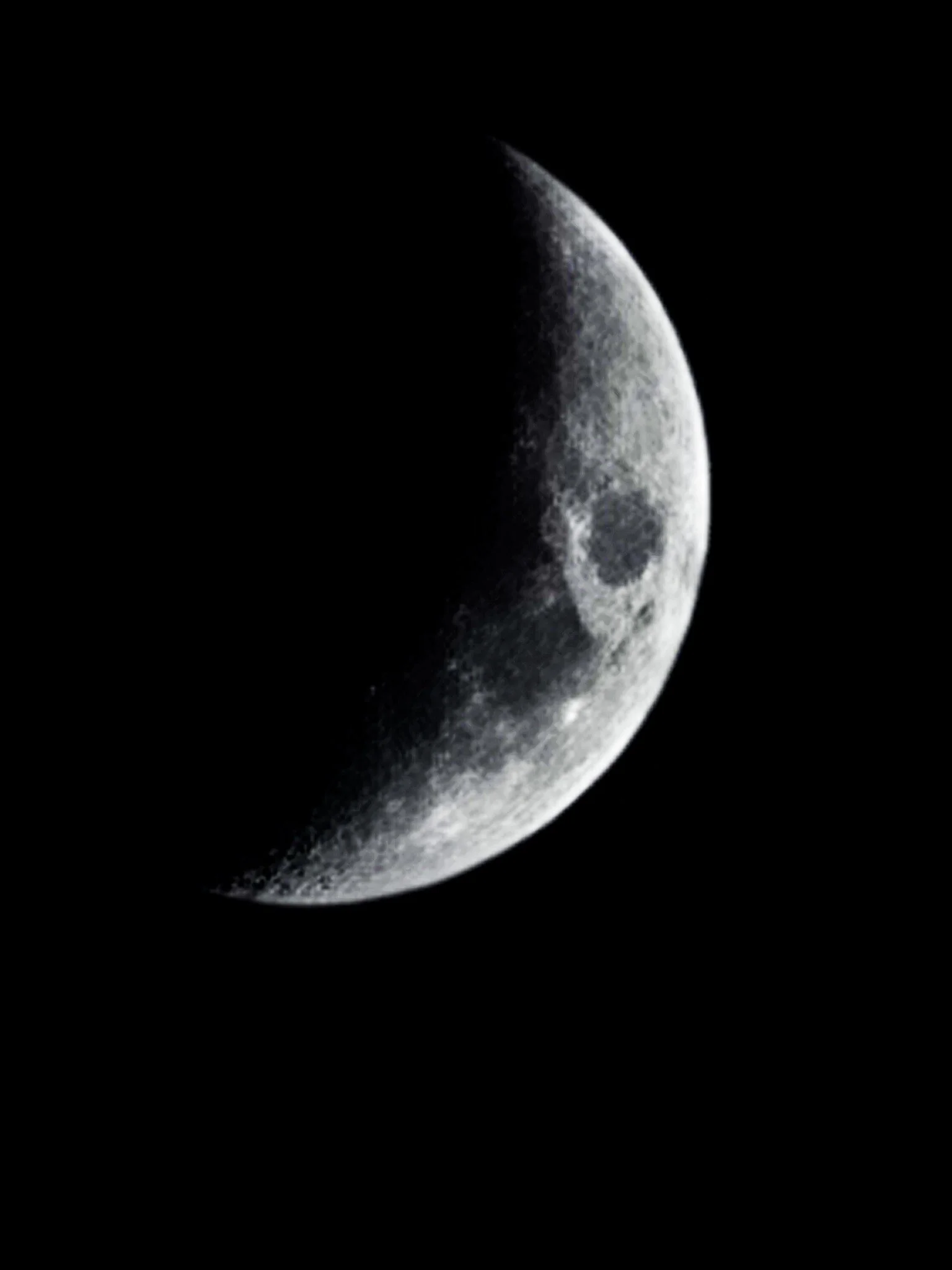
Maybe even high enough to touch the moon.