My Solo Trip to China Part 2

I left Xi’an on a plane headed for Beijing with that strange mix of feelings you only get when a trip starts to shift from exploration into purpose. Xi’an felt like wonder. Beijing felt like the start line.


I landed late—late enough that I’d already missed check-in with the Albatros group. If you’ve ever arrived in a new country at night, you know that moment: the airport lights are bright, your brain is foggy, and everything feels slightly unreal. But my driver was there. Calm. Efficient. Like he’d been waiting for this version of me—the one who almost missed flights, almost got lost, but still showed up.


He got me to the hotel fast.


Inside, I checked in, grabbed my race packet, and got my room key like it was a passport stamp into the next chapter. When I finally made it upstairs, my roommate was already asleep. I took a quick shower—one of those “wash the airport off me” kind of showers—and then I let my body power down. No overthinking. No scrolling. Just sleep.


Because the next morning, the marathon was no longer an idea.


It was a schedule.


At breakfast, I finally met my roommate, and we moved through that early-race energy together—quiet excitement, tired smiles, the unspoken understanding that you’re here for the same reason even if your stories are completely different.


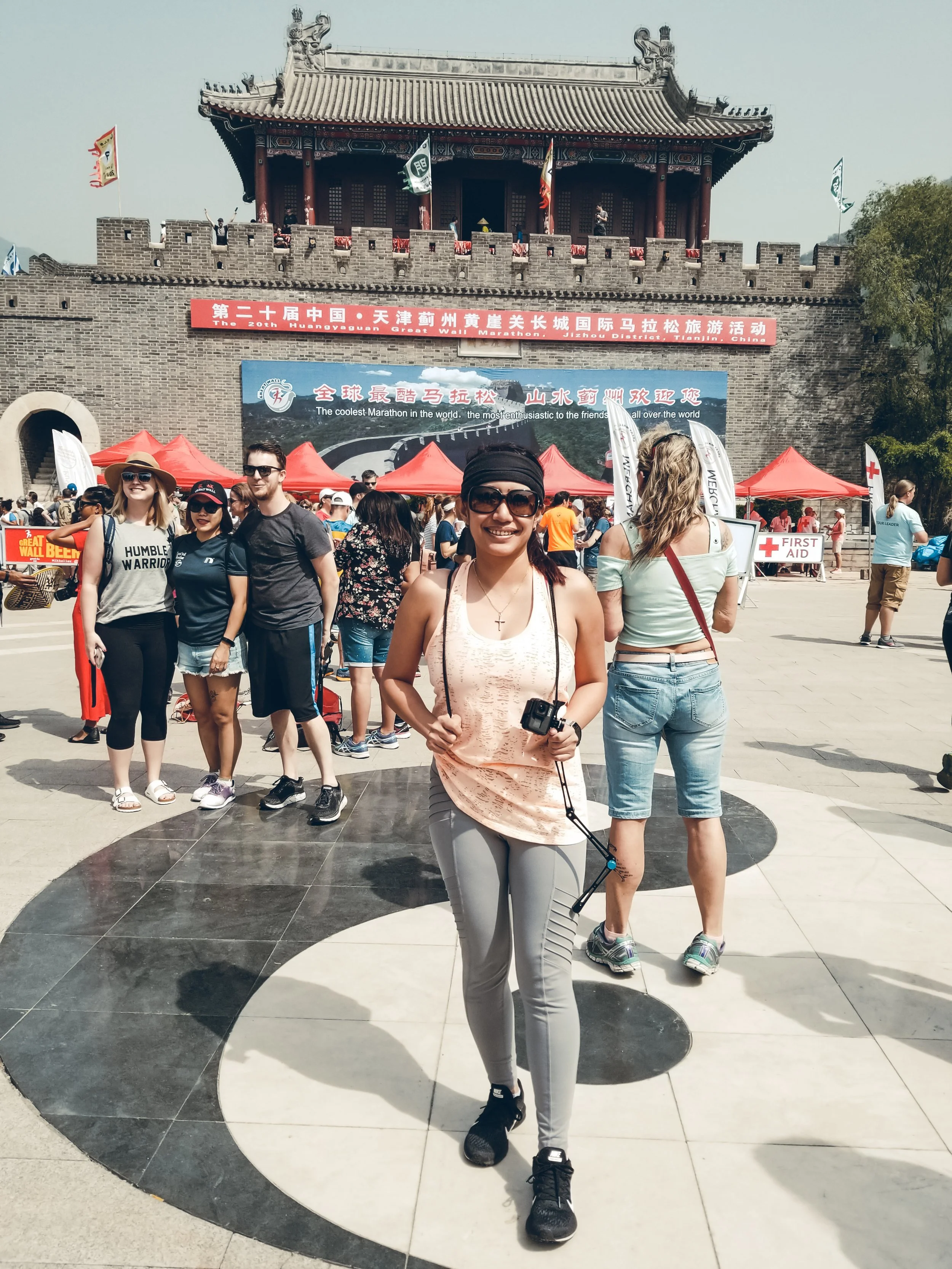
The plan was simple: after breakfast, the whole group would board the bus and travel about two hours outside Beijing to the area where we’d stay for the race. A small town near a more remote section of the Great Wall. We’d be there for the next few days—race week contained in one place, like the world shrinking down to one mission.


By the time we arrived, it was inspection day.


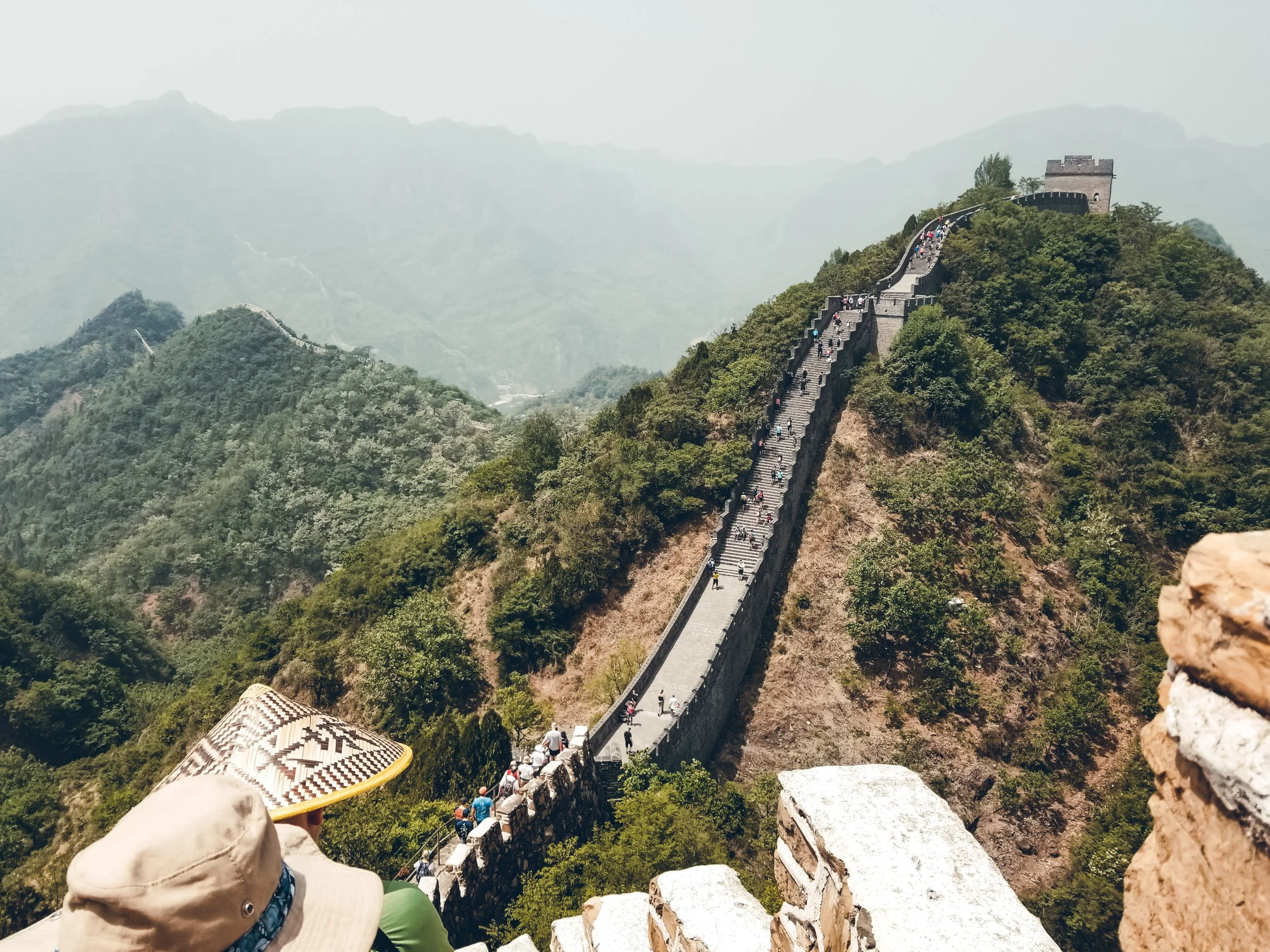
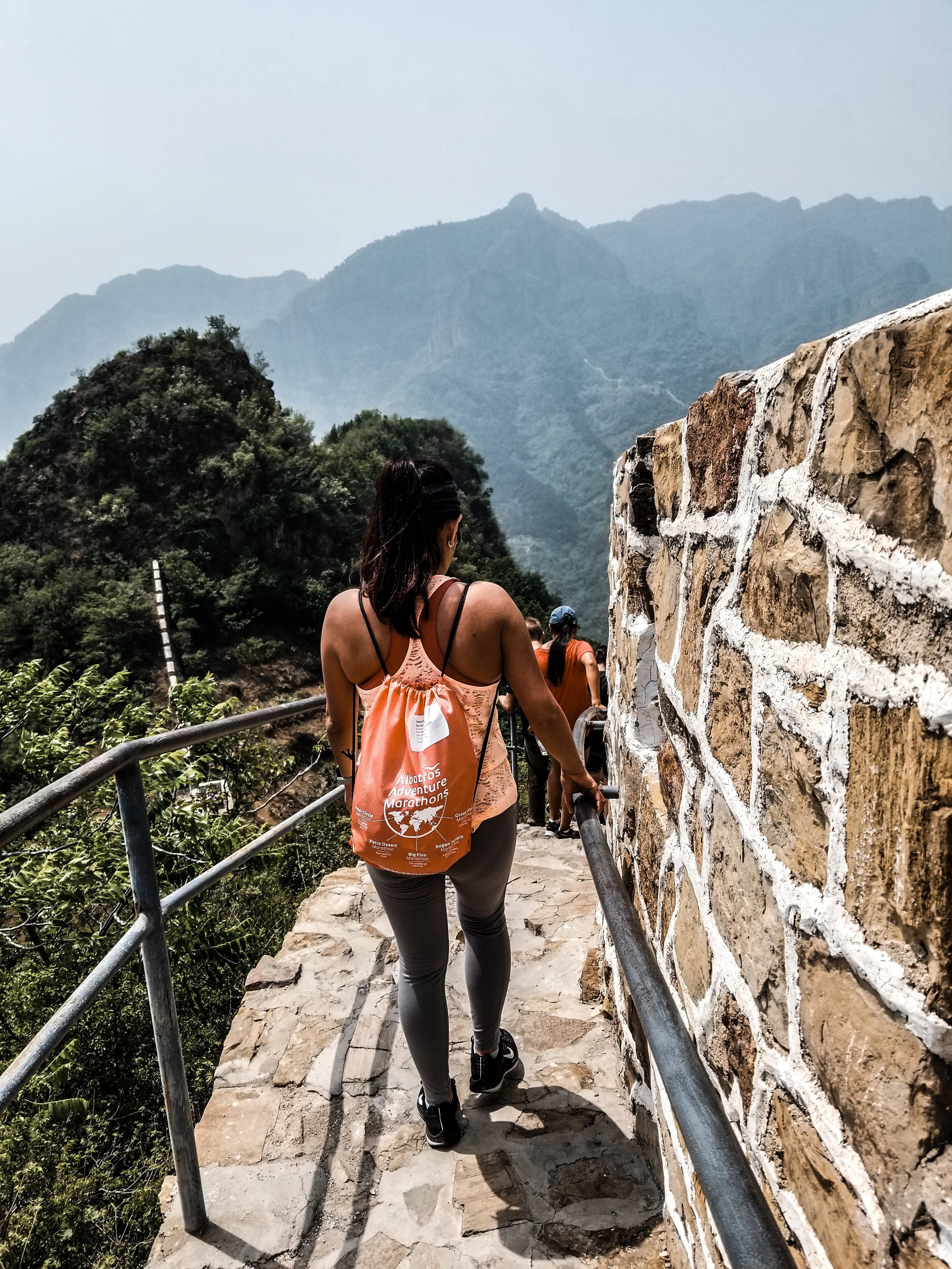
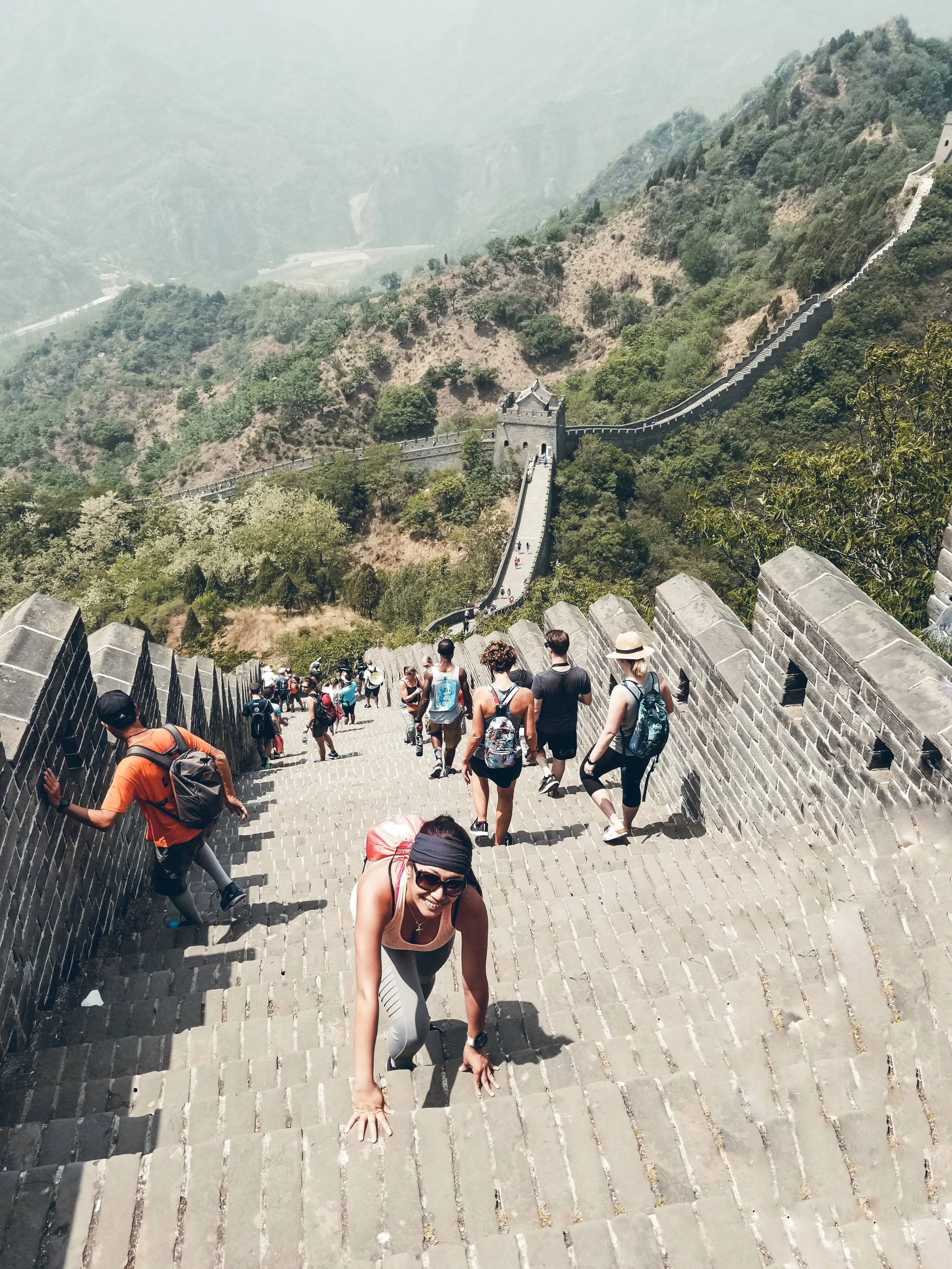
That means the day before the race is reserved for seeing the course—touching it, walking parts of it, letting your brain understand what your body is about to do. And we drove up to a section that would be a steep climb on race day—this brutal ascent to the base of the wall itself. The bus took us up today only, thankfully. A small mercy. A preview without the penalty.


And then I saw it.


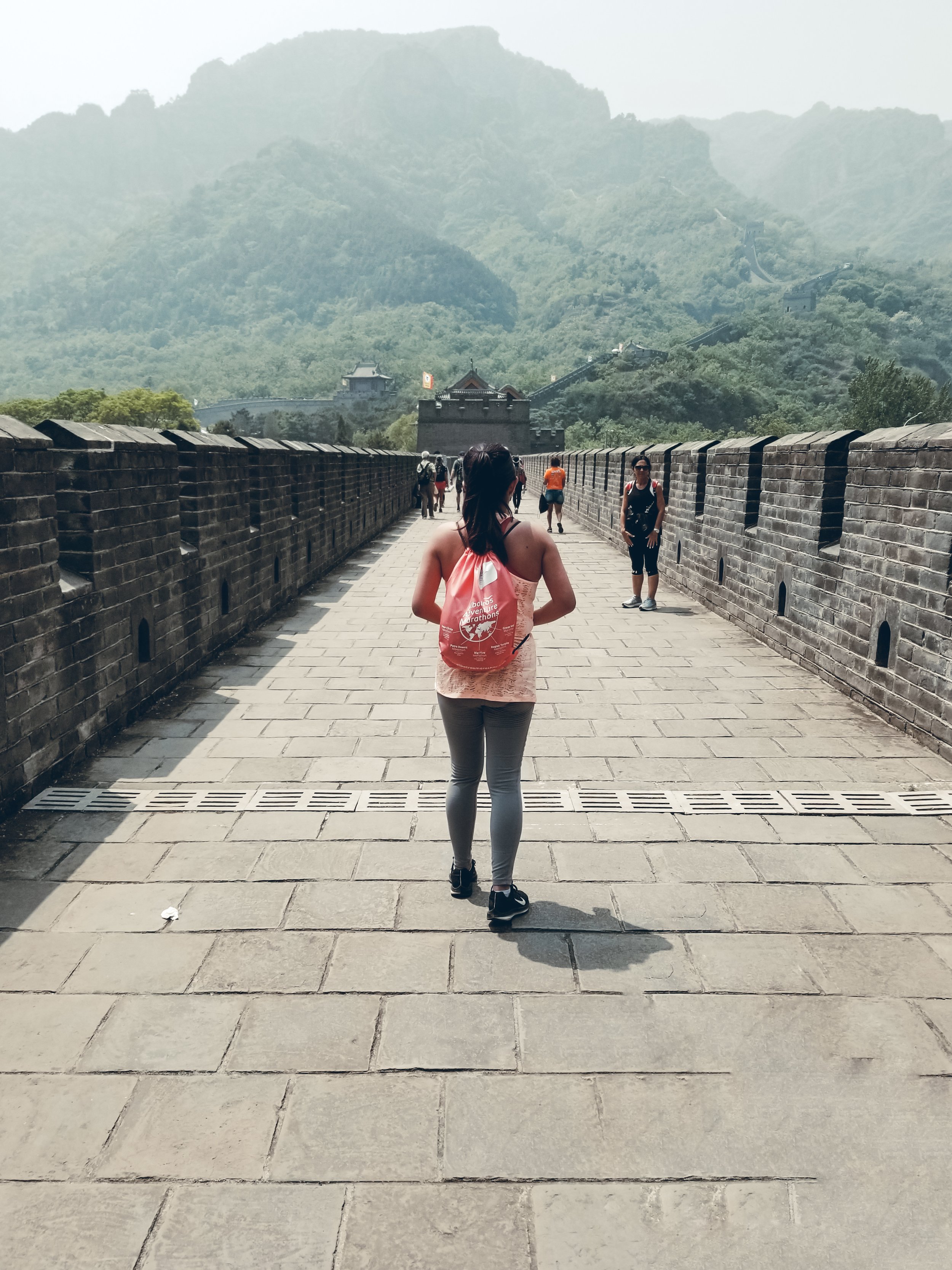
The Great Wall isn’t just something you “look at.” It’s something that hits you. It’s heavy—visually, emotionally, spiritually. When my eyes finally landed on it in real life, I felt a flood of emotions I wasn’t prepared for. Pride, first. Not even pride about the race… pride about the path.


Because I had already done something hard.


I got the visa. I studied Mandarin. I committed even when nobody else wanted to go. I navigated airports and translations and delays and still landed here—standing in front of the Wall like I’d earned the right to be overwhelmed.


There are moments in life where you can feel something shift inside you—like a door opens and you catch a glimpse of what you’re capable of when you stop negotiating with your own doubt.


This was one of those moments.


When we got off the bus, I looked around and realized I wasn’t the only one feeling it. People were quiet in that way you get when words aren’t big enough. And that’s when I noticed something else: there were so many solo travelers. More solo adventurers than couples. People from all over the world, from every age group—each one carrying their own reason for being here.


I met a woman from Africa who was teaching in Japan. Another woman who rides bicycles solo around the world like it’s the most normal thing in existence. Another woman who had suffered a stroke the year before—and this Great Wall race was going to be her 50th marathon.


Fifty.


I remember thinking: This is what courage looks like in real life. Not dramatic. Not loud. Just people showing up anyway.


And weirdly… it was the first time on the trip I felt the most at home.


Because everyone had an adventure story. Everyone had a “before this, I had to…” Everyone had a reason they were standing here, looking at the Wall like it was a mirror.


I had signed up for the half marathon, and inspection day covered the Great Wall portions of the course—more than 5,100 steps along the Wall itself. Steps that weren’t uniform. Not “stair steps.” Great Wall steps. Uneven, ancient, sometimes shallow, sometimes high enough to make you question your choices.

But I wasn’t alone anymore—not really.


On the Wall, we started doing what travelers do when language and backgrounds don’t matter: we became each other’s support system. We offered to take photos for one another. We laughed at how ridiculous and amazing it felt to be climbing here together. We became friends in the quick way that only happens when you share a mission.


And I have to give credit where it’s due: the organizers did a phenomenal job. The logistics, the pacing, the way they guided us through it—it felt like being held by something experienced. Like the race wasn’t just a challenge; it was also cared for.


The section of the Wall we were running on felt remote—less tourist-polished, more raw. It had that feeling of distance, like you were stepping into a version of China that most people never see on postcards.

And then there was the village.

During the course, there’s a small village you run through, and even on inspection day, it stayed in my mind as one of my favorite parts. There’s something about moving through a living place—people’s daily life—while doing something so personal and extreme. It makes the whole experience feel grounded. Like the Wall isn’t just history. It’s context.


We finished the inspection, climbed back down, and returned to the hotel area on the bus. The energy was different now—less nervous, more focused. The kind of quiet that settles in when everyone realizes tomorrow is real.


Back at the hotel, the evening moved gently. Dinner. Packing. Laying out race clothes like ritual. Charging whatever needed charging. That familiar pre-race moment where you try to convince your body to rest while your mind keeps running ahead.


Because the next day wasn’t inspection day.


The next day was the day we came for.


The race.


And the Wall was waiting.

Part 2 of 3 Solo Trip To China

Next Up- >

So I got a DNF on the 60k ….and I am so relieved.


I used to think that checking the box of completing an ultramarathon would signal the end of something—that it would be the final chapter of my relationship with running. But the more miles I’ve put behind me, the clearer it’s become that I was never running toward an ending. I was answering a call.

Running has carried me across landscapes I never would have seen otherwise. It has taken me to places I didn’t plan on going, introduced me to people I didn’t know I needed, and opened doors I once thought were closed to me. Miles have a way of stripping things down—through fatigue, injury, and quiet persistence, friendships are forged, belief is tested, and something deeper is revealed.

The most important thing running has given me isn’t endurance or distance—it’s belief. Belief in myself. Somewhere along the way, my ifs began to shift into when. Not out of arrogance, but out of knowing. Knowing that what I need to keep moving forward has always been within me. It was never a question of if I could do something difficult—only whenI would be ready to meet it.

That’s why this goal goes back onto my adventure list, unhurried. Other paths have surfaced, other calls have grown louder, and I’m learning to listen. Watching 100-mile runners move through 36 hours of effort was a humbling reminder of scale—of what the human spirit can endure. They exist in a different orbit of resilience, alongside Sherpas and others who move through hardship with quiet strength. Witnessing that doesn’t make me rush; it makes me respect the journey.

If there’s one thing I wish for everyone, it’s this: find something that calls you forward. Something that pulls you to the edges of yourself. Let it challenge you. Let it unsettle you. Let it take you farther than comfort allows. Pay attention to what grows in that space—because somewhere between the struggle and the movement, you may discover who you’ve been becoming all along.

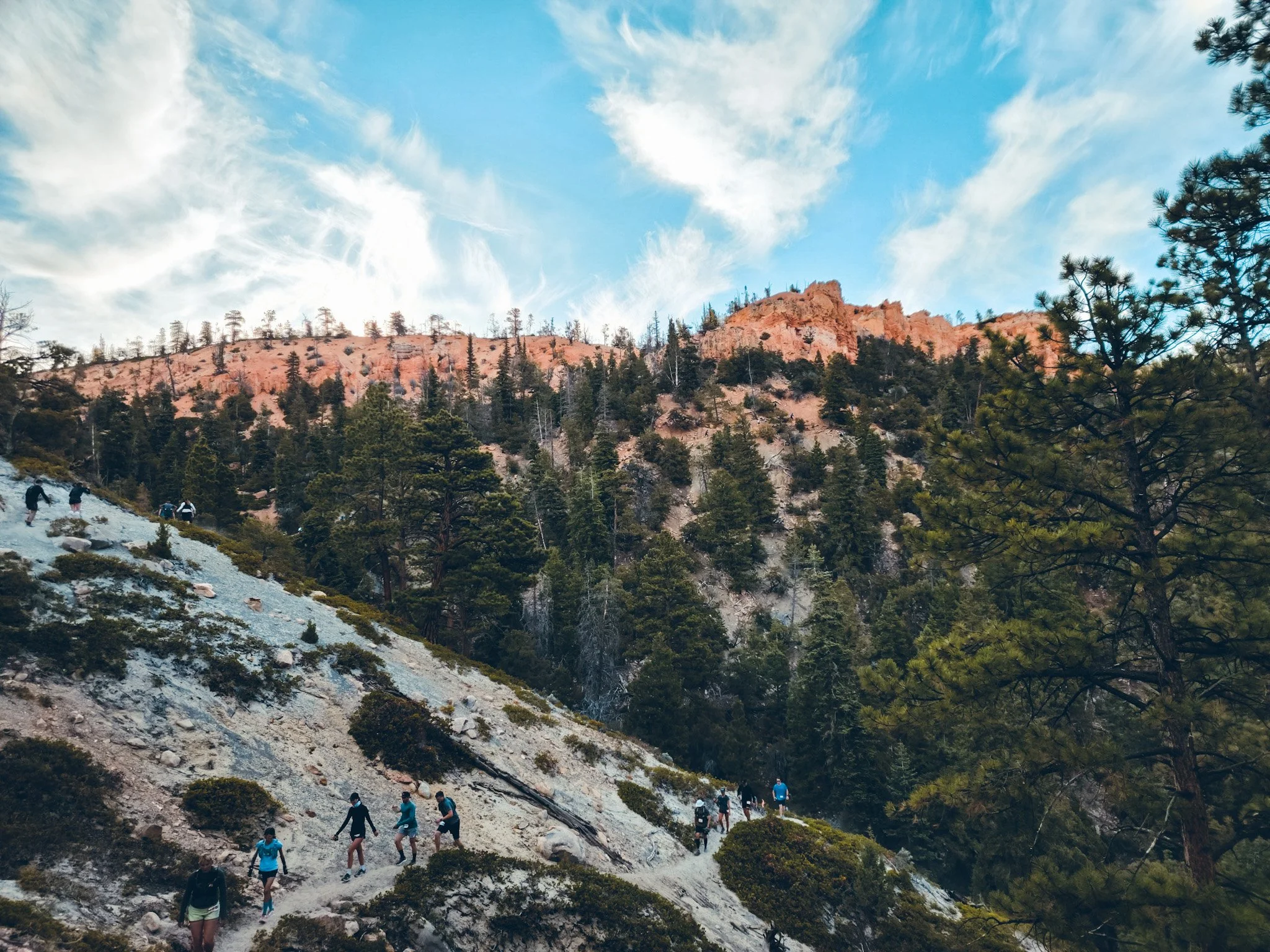
All the way up Proctor Canyon!!

Source: https://www.instagram.com/reel/CPpU7dThEjR...

What adventures mean to me?

For a long time, I struggled to answer that question. What does adventure mean to me?

I think I finally understand.

What the trunk could not carry, the branches reached for.

What the branches could not hold, the leaves would catch.

A tree is never just one thing. It is roots, trunk, branches, and leaves—each a generation, each necessary. No single part is more important on its own, yet none can exist without the others. Growth only happens together.

My family’s first great adventure was not a choice made lightly—it was survival. Immigration. At that time, my great-grandparents were the roots, buried deep in sacrifice. My grandparents became the trunk, bearing the weight. My parents were the branches, stretching toward stability. And my sister and I were the leaves—new, fragile, carried by what came before us.

My grandparents spoke often of what it cost to keep the tree alive. Meals without meat. Nights when hunger was normal. My mother told me stories of going to bed with empty stomachs. As a child, I listened but did not yet understand. My parents made sure we never felt that absence.

Understanding came later—when I traveled back to the places my grandparents and parents once called home. When I stood on the same ground they stood on. When I felt how narrow the margins once were. And later still, when the roles shifted again—when my grandparents returned to the earth and became roots themselves. The tree changed. My parents became the trunk. My sister and I became the branches.

This is what adventure means to me.

It is not escape. It is continuation.

It is the responsibility to push gently, deliberately, beyond the limits set before us—not in defiance, but in gratitude. My grandparents did not travel so that we could. My parents carried weight so we could move freely.

One day, the roles will shift again. When that happens, I want to know that I stretched far enough—that I grew wide enough—that the next generation inherits a tree unafraid to reach higher.

Maybe even high enough to touch the moon.