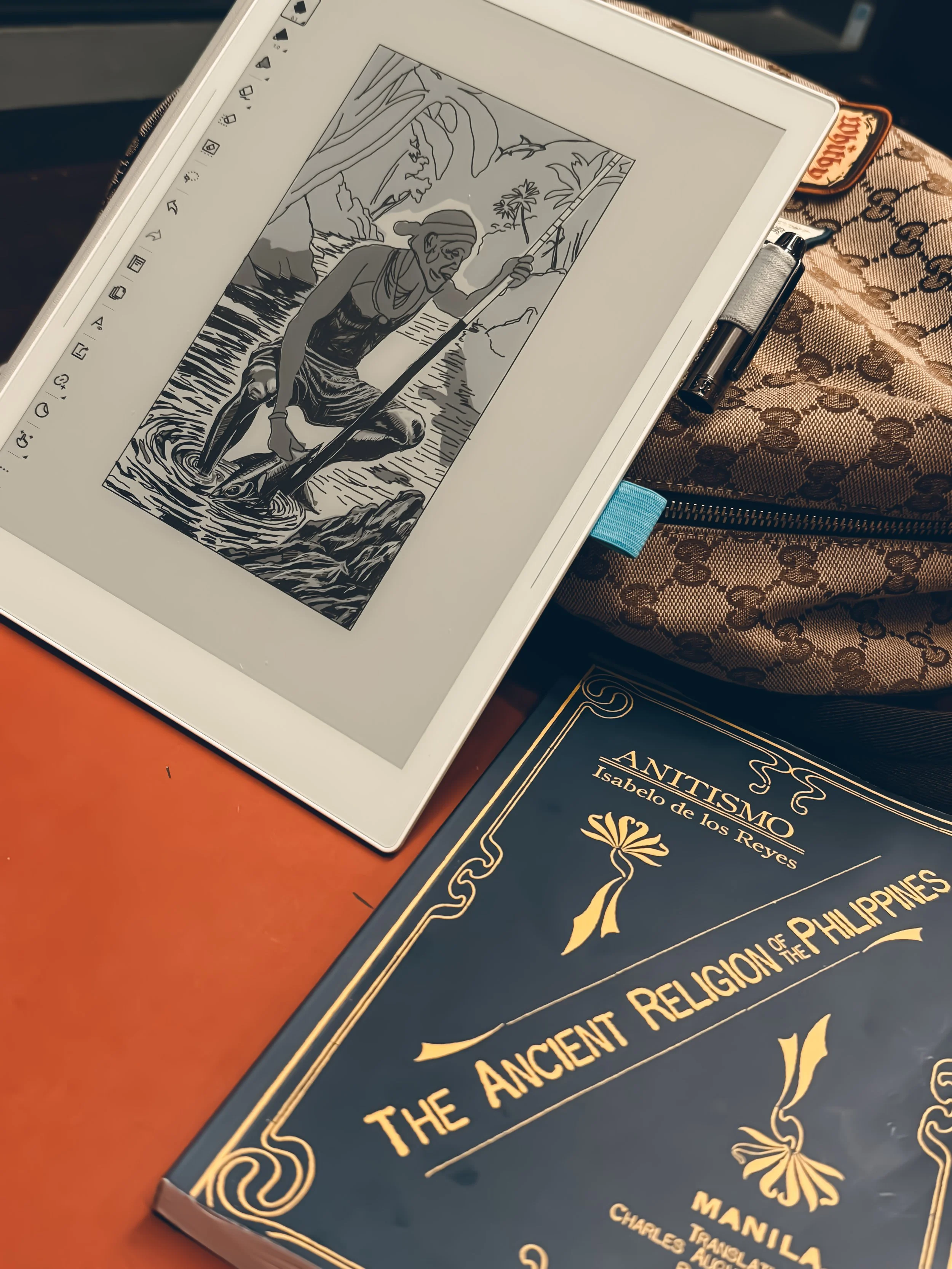
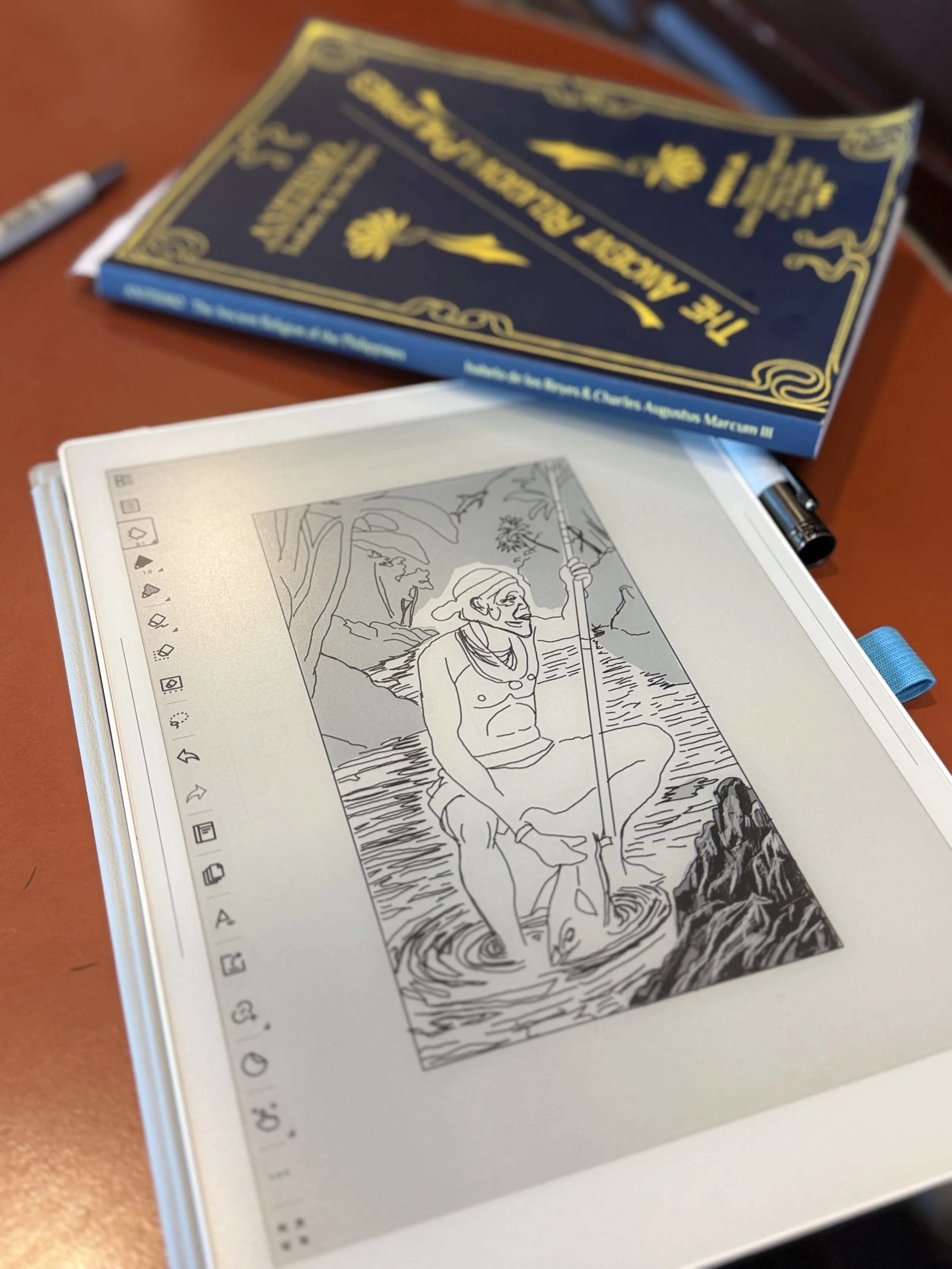
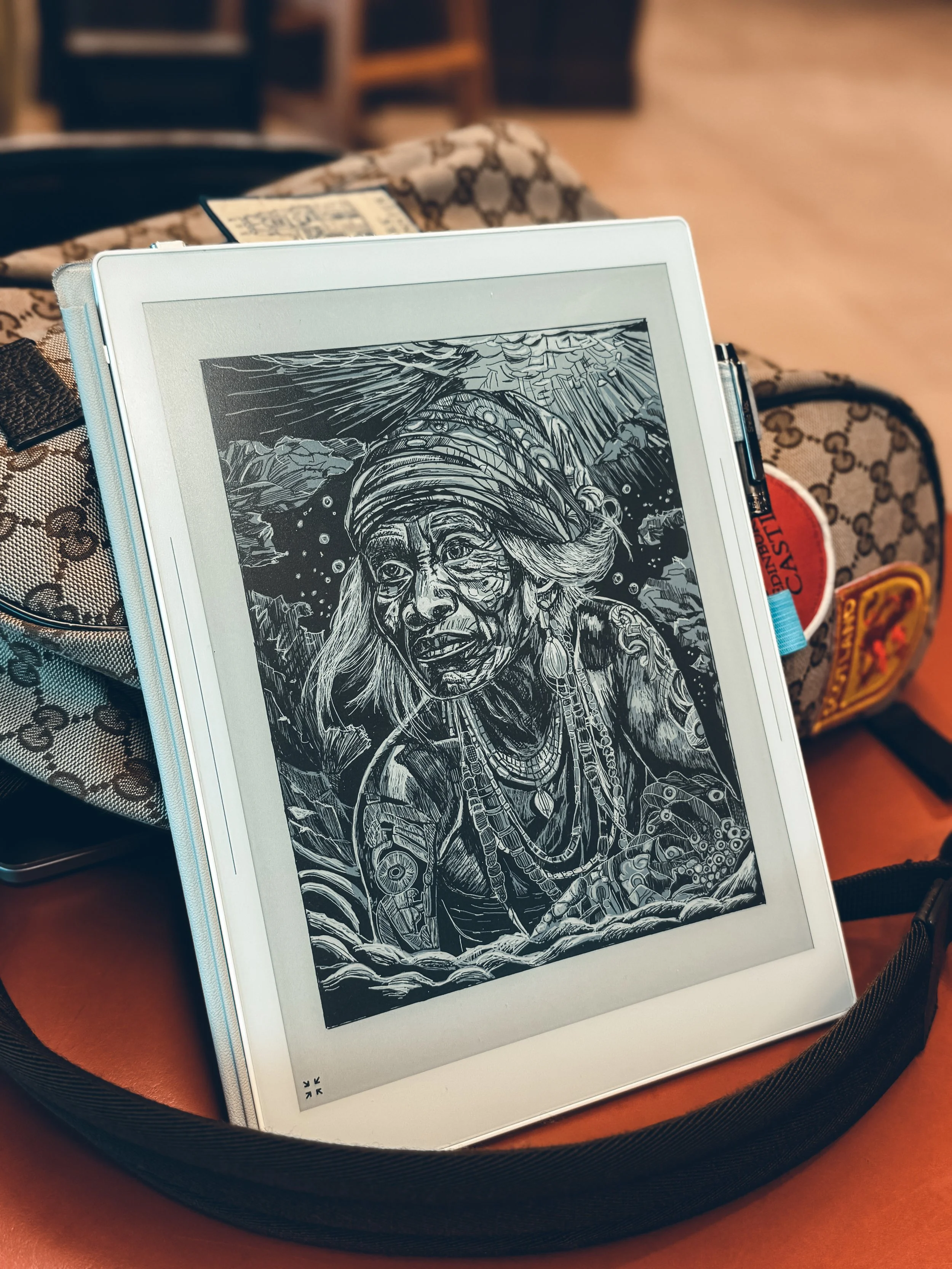
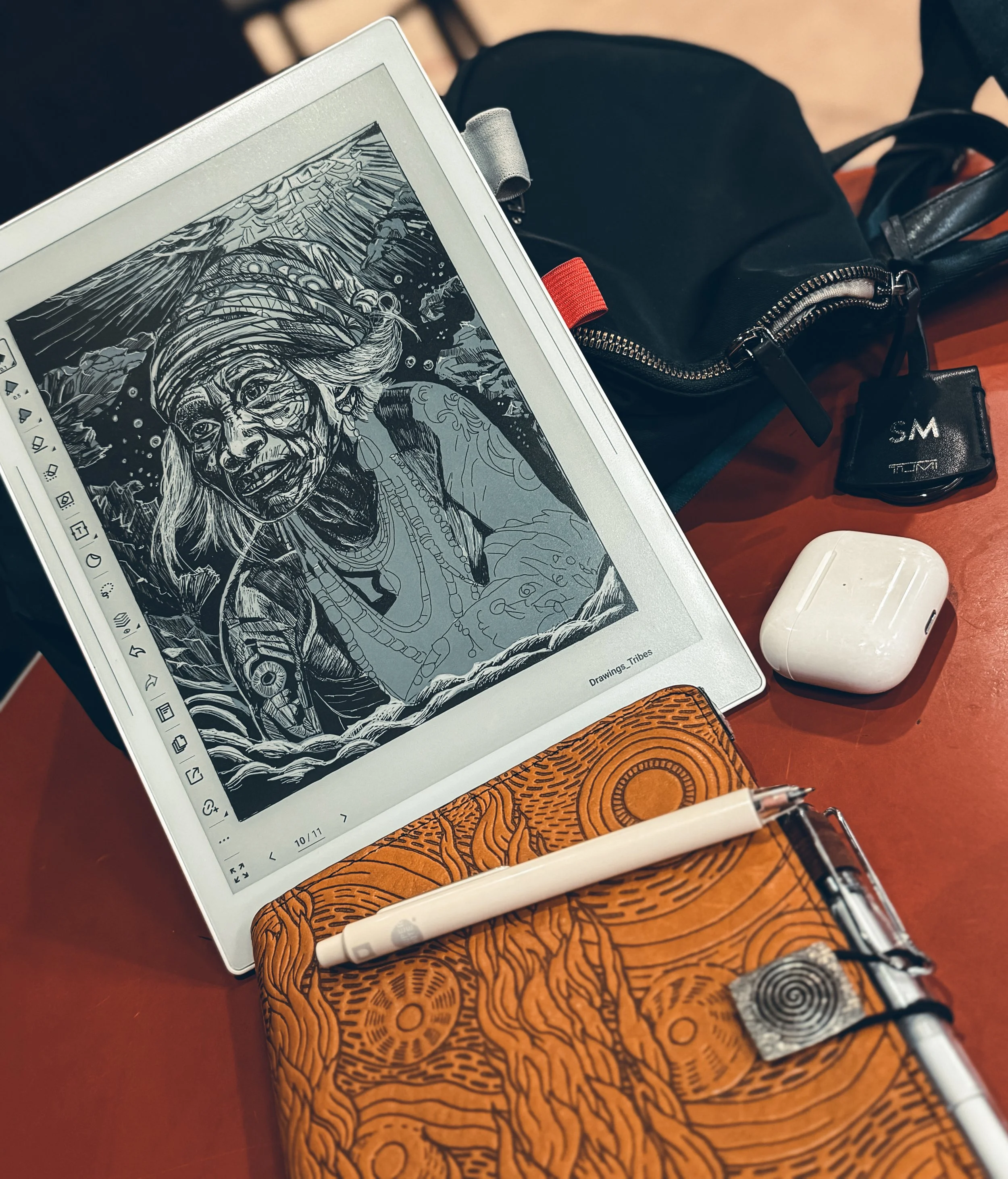
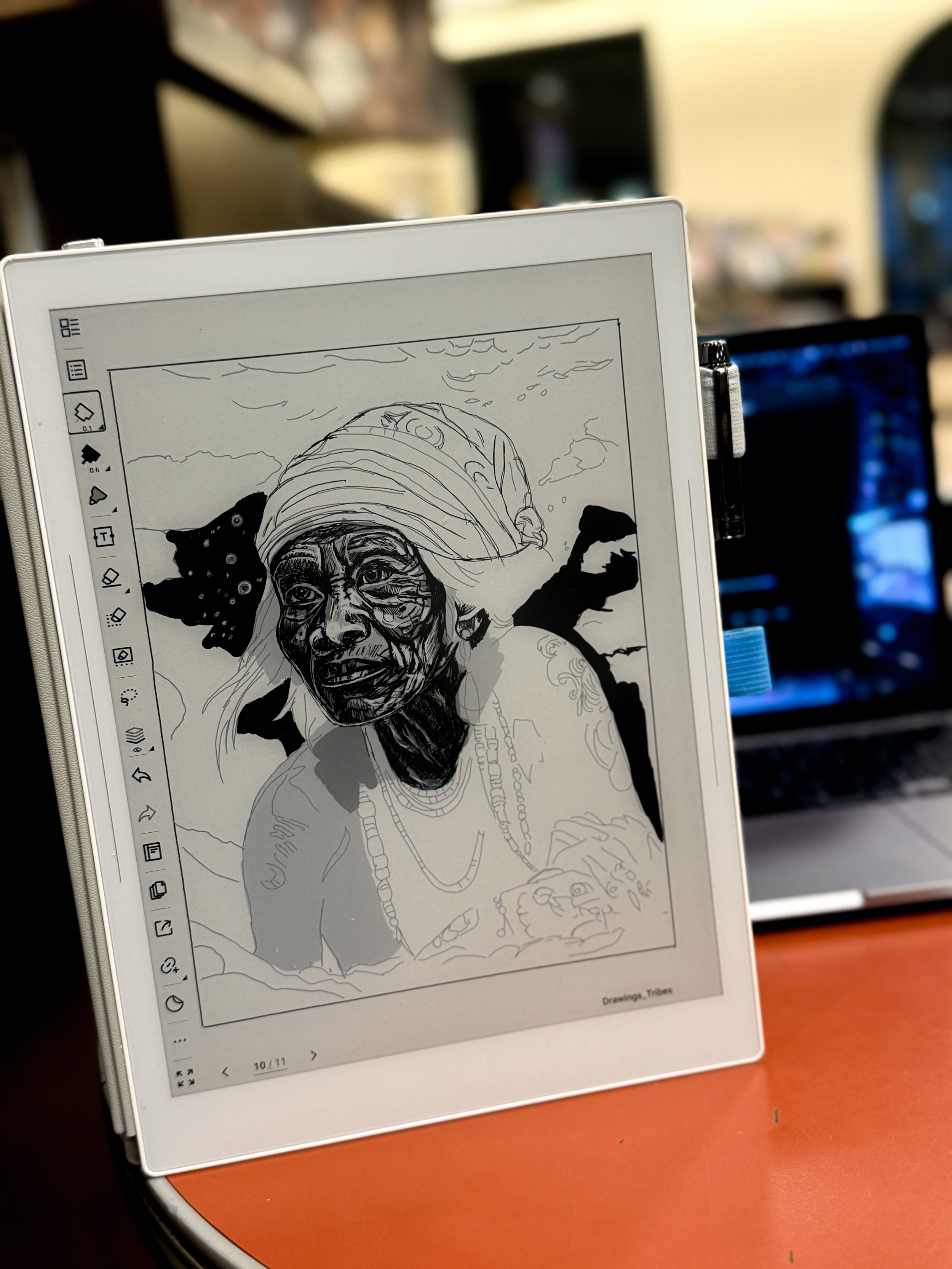
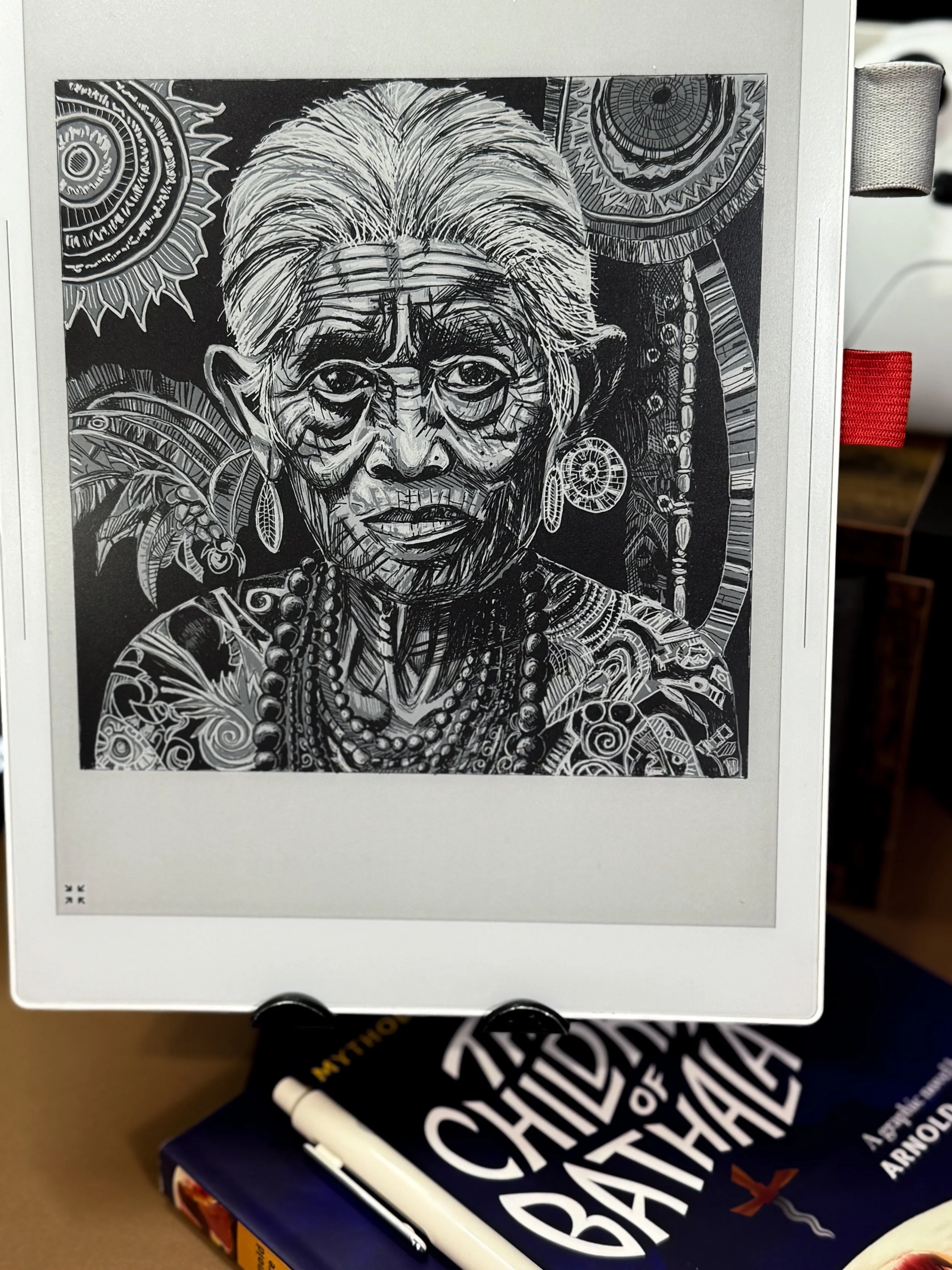
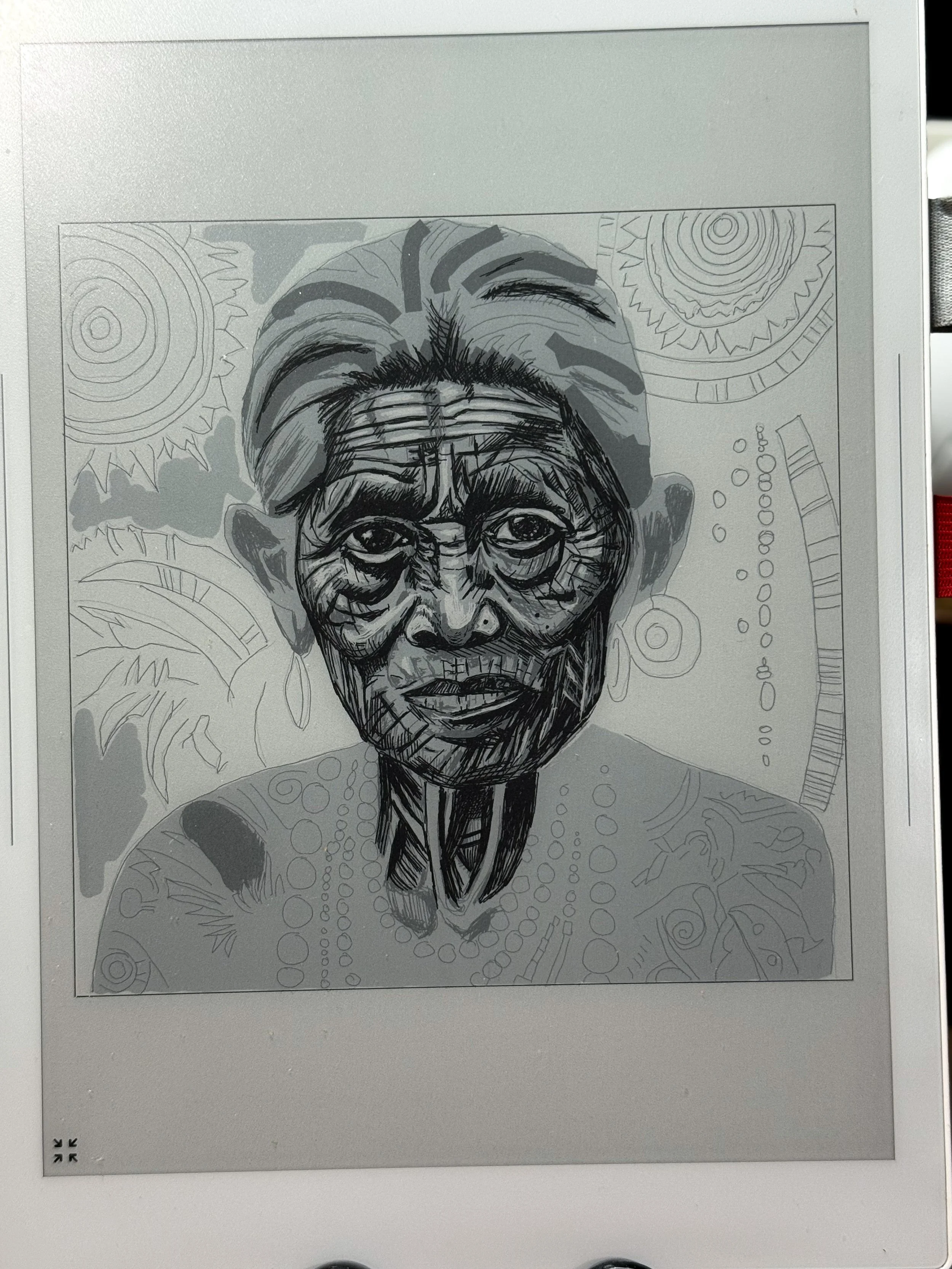
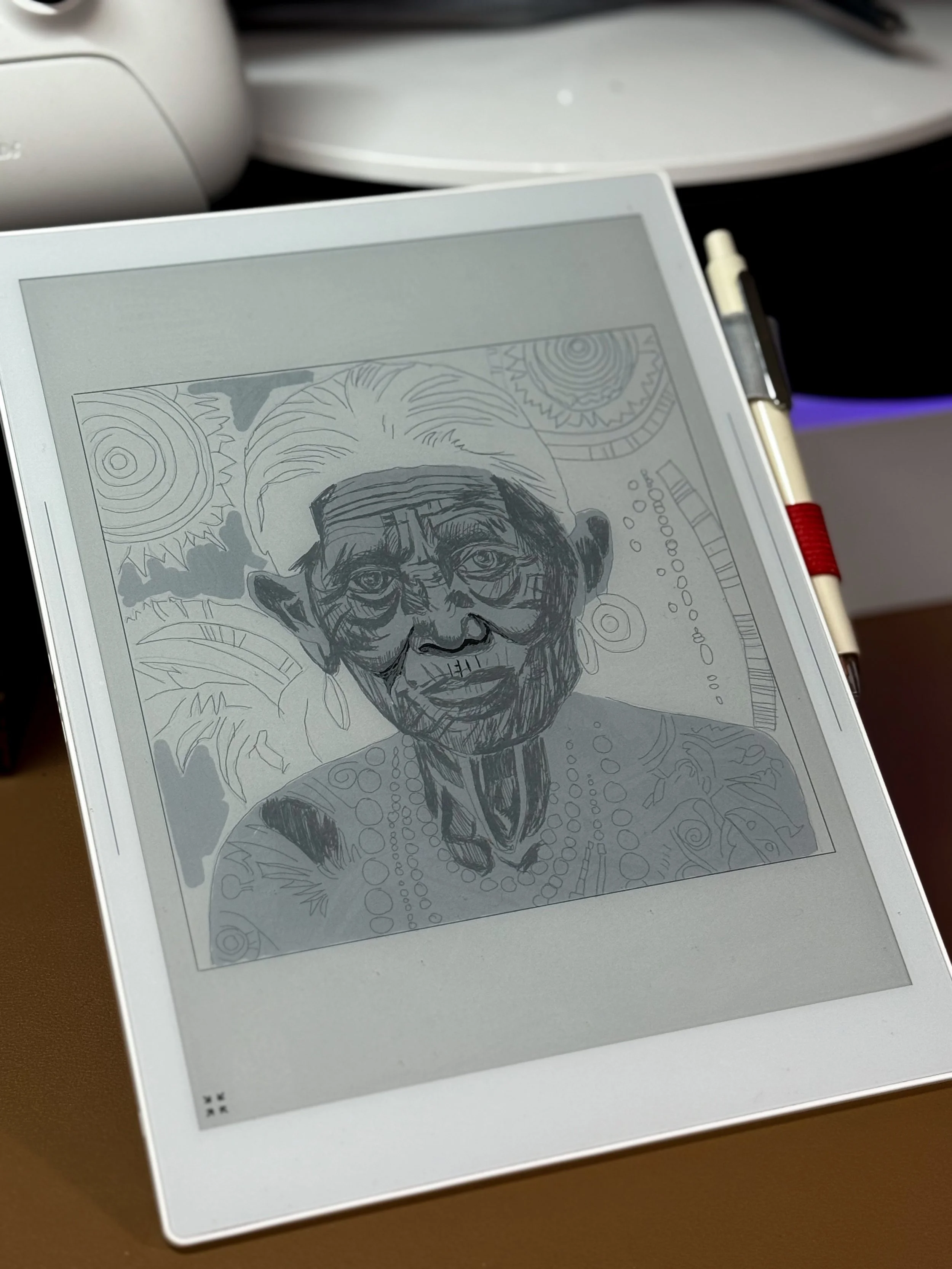
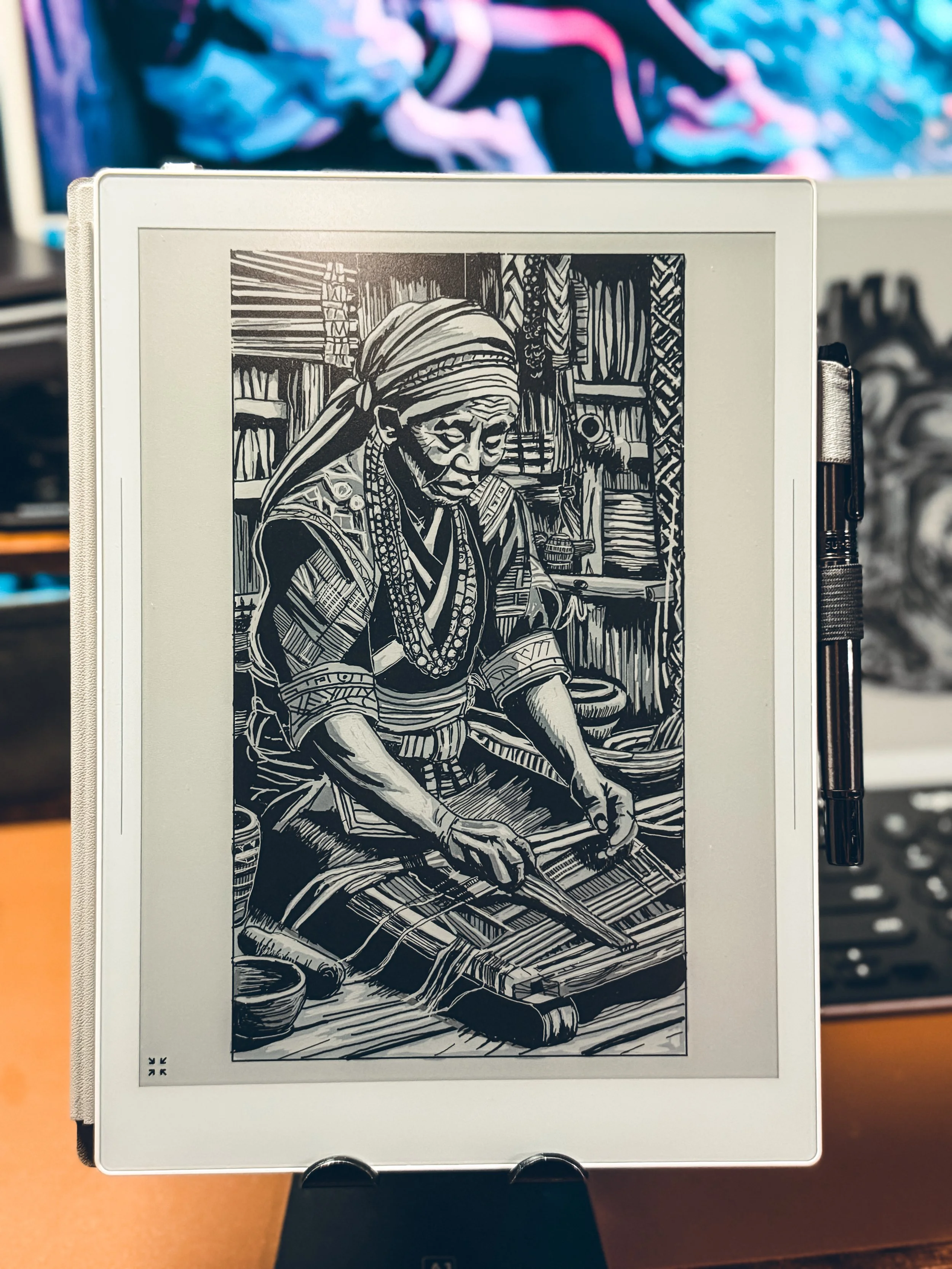
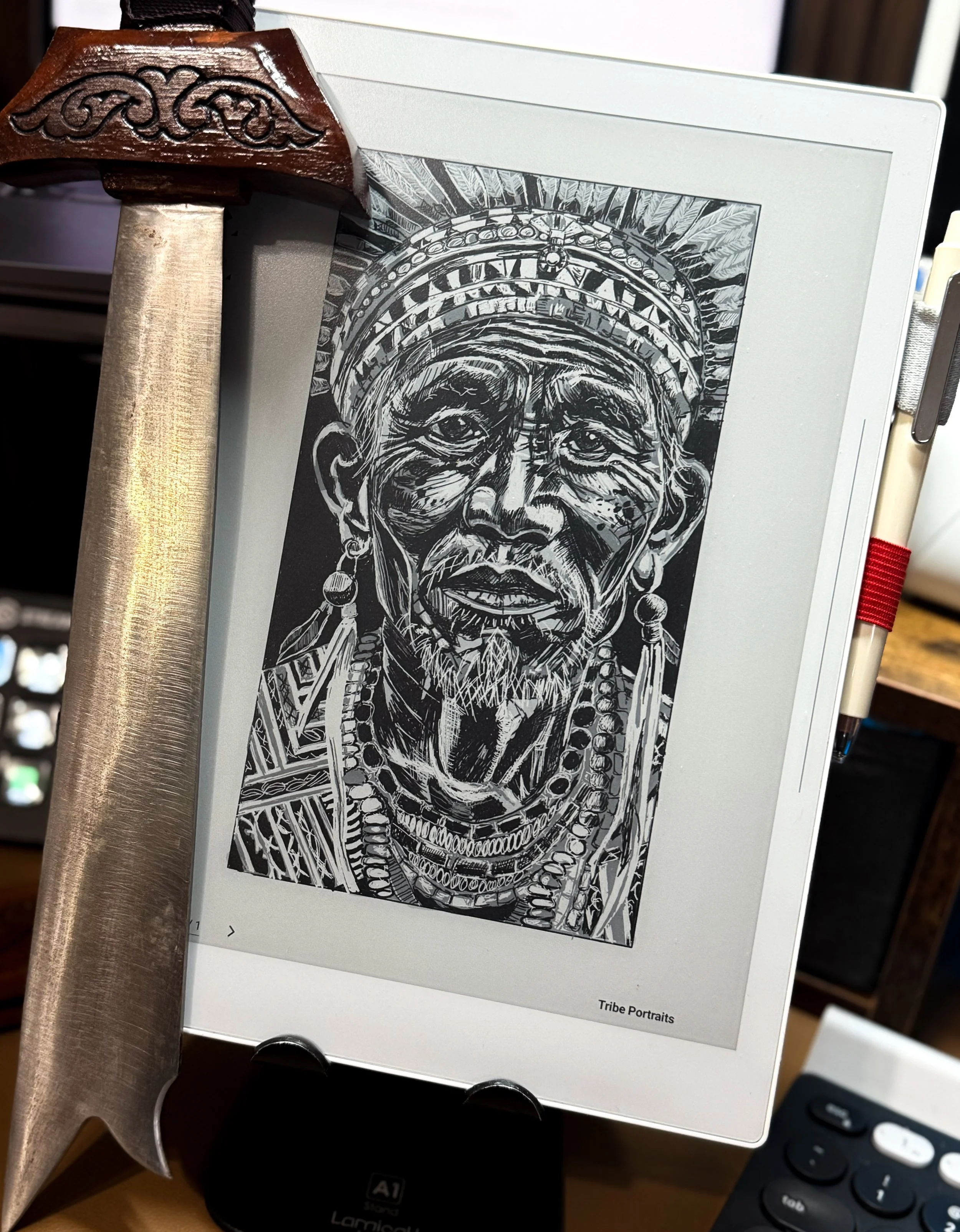
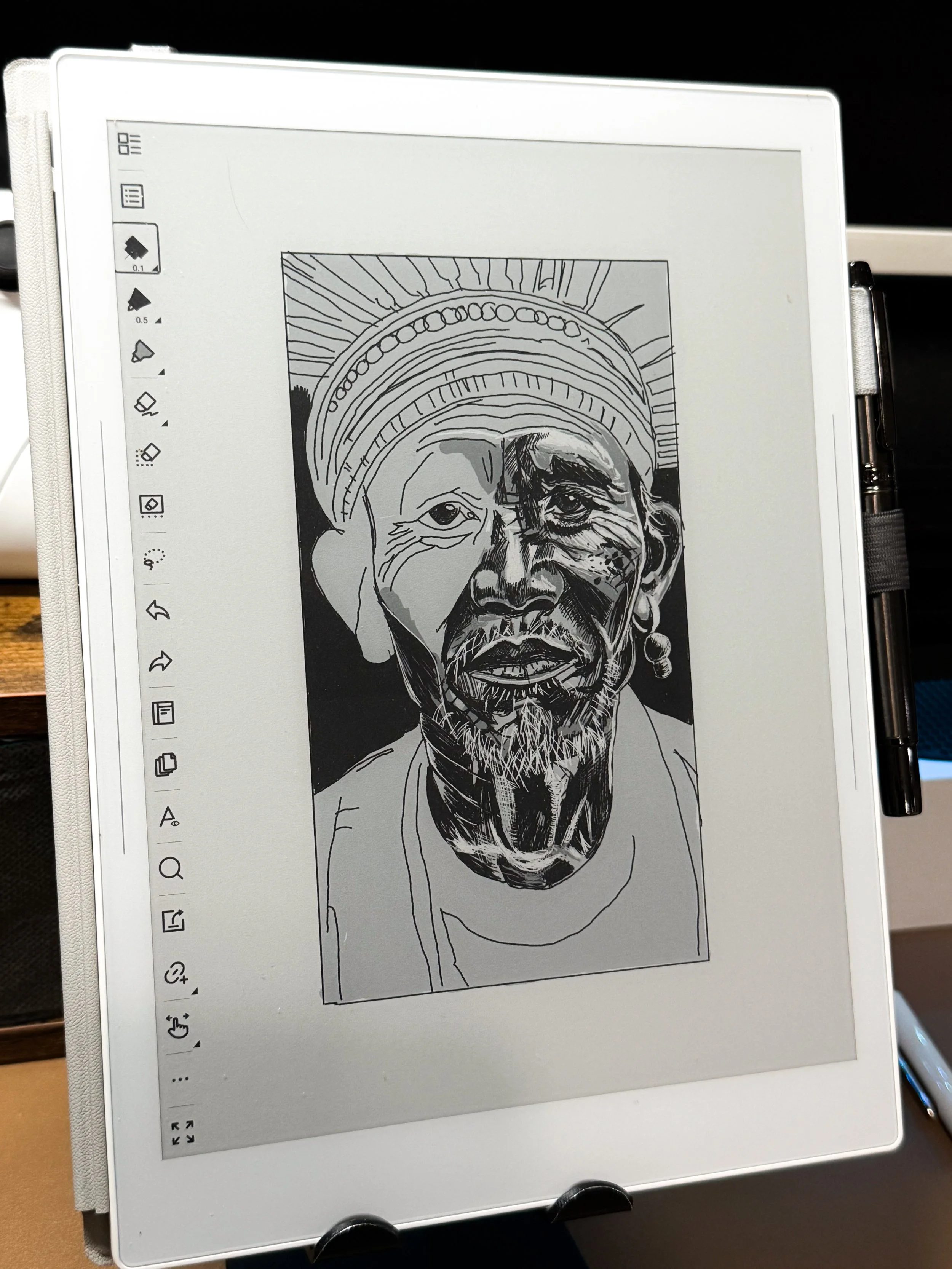
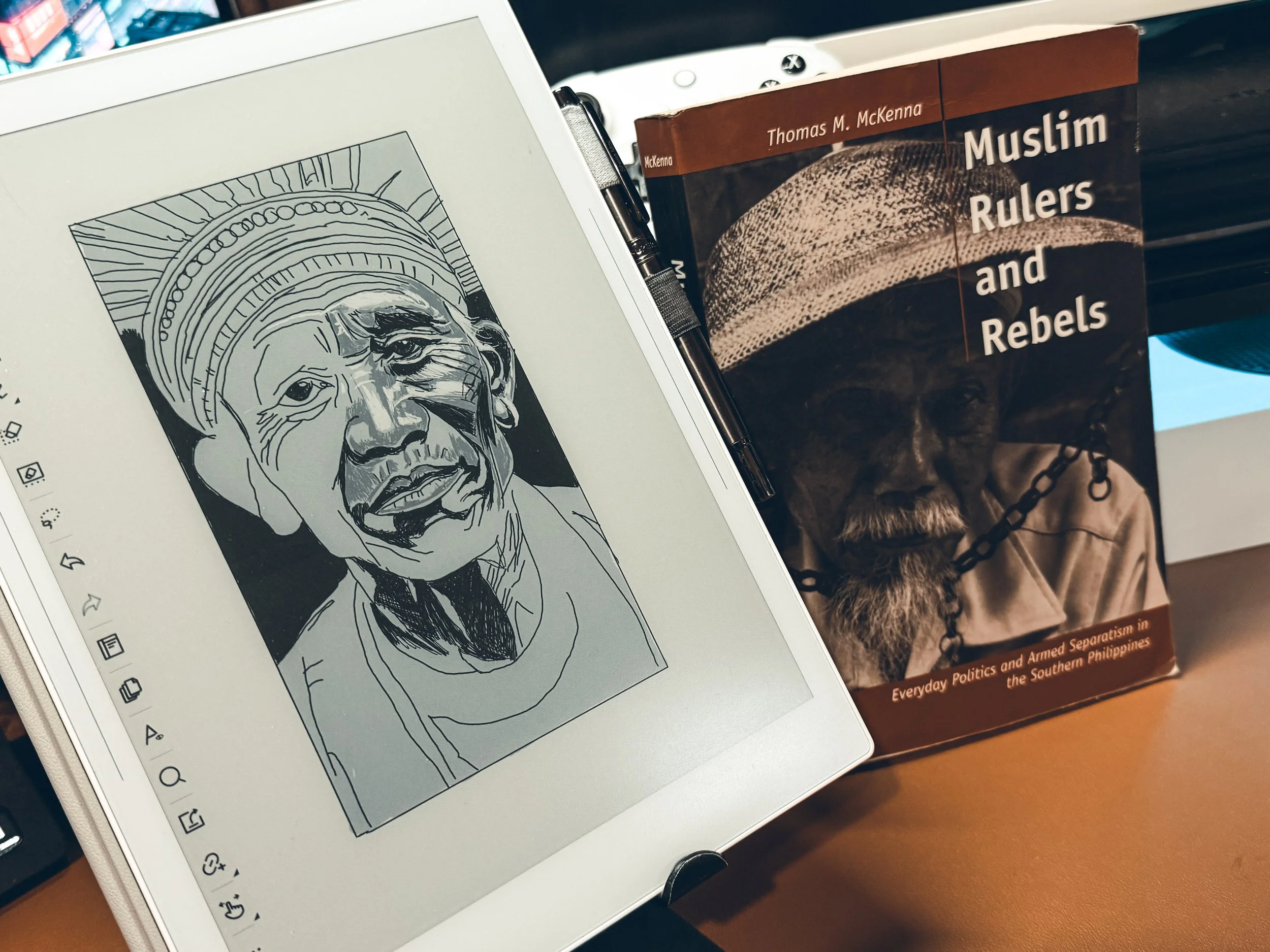
Tribe Series: Isnag

Isnag (Isneg): River Country, Lapat, and a History Transformed
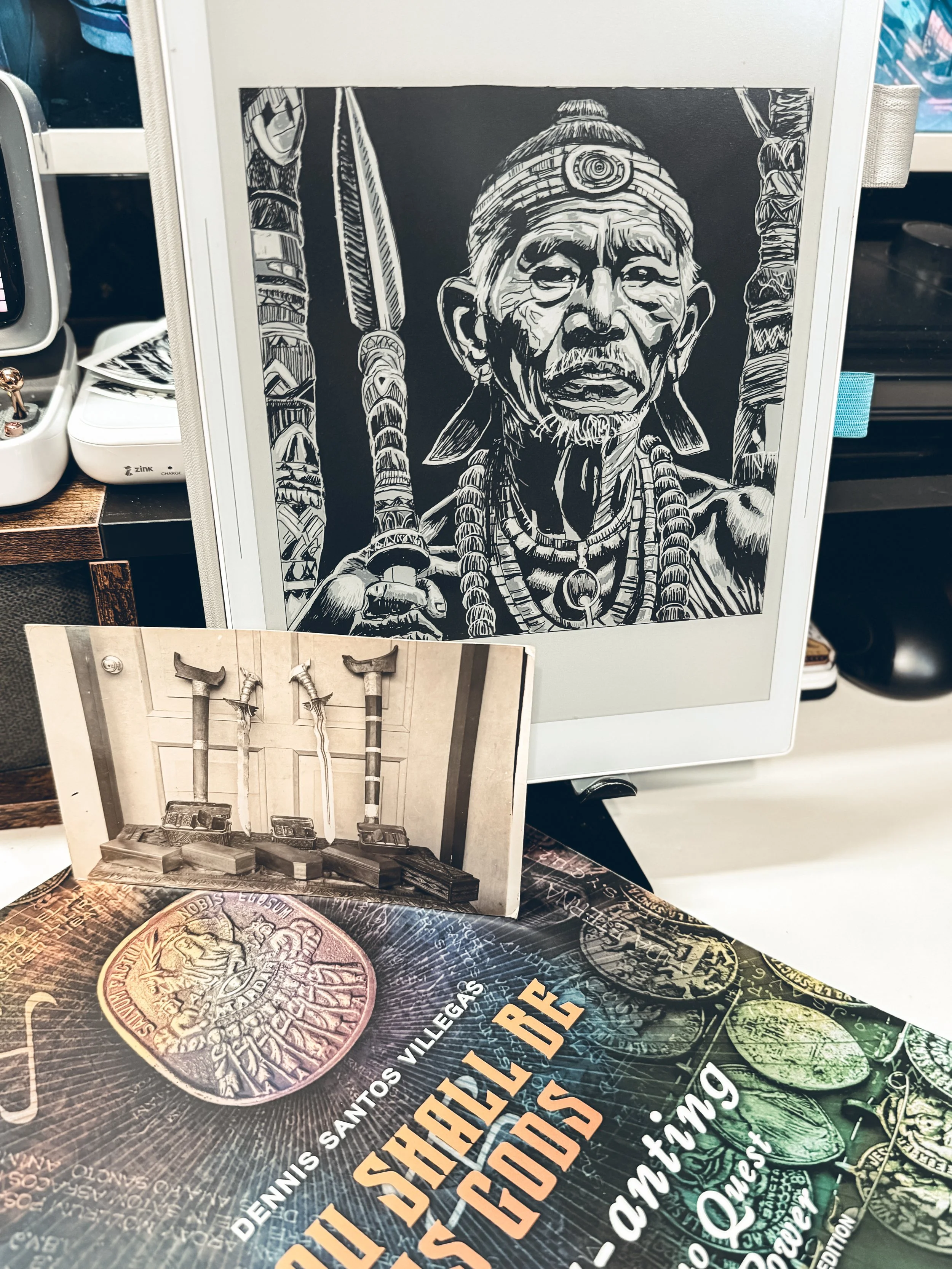
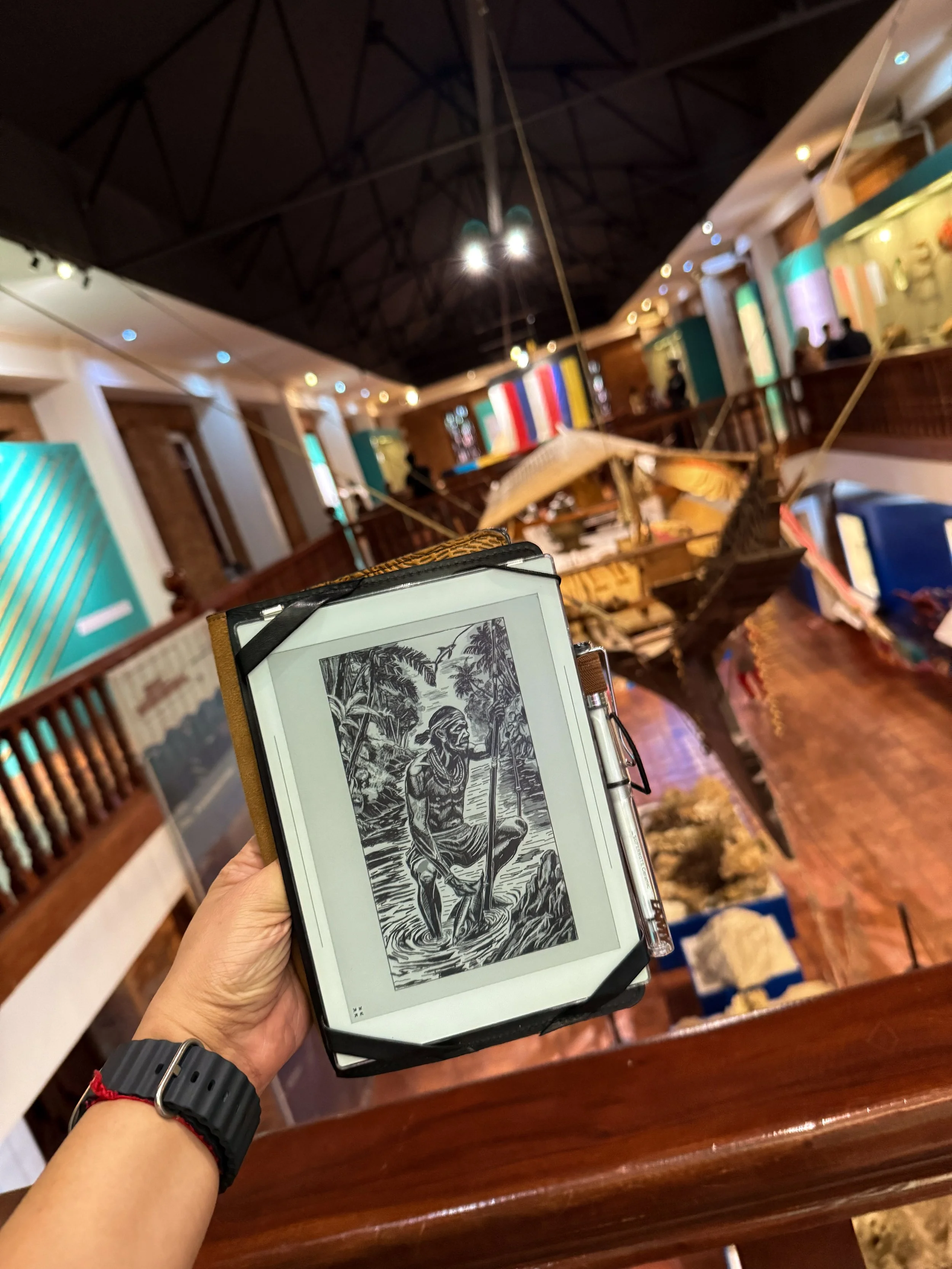
In the northern highlands of Apayao Province, the Isnag—also widely spelled Isneg—are often described as a people shaped by river valleys and mountain terrain. Their communities have long been linked to waterways that served as routes for settlement, travel, and livelihood in a rugged landscape. 
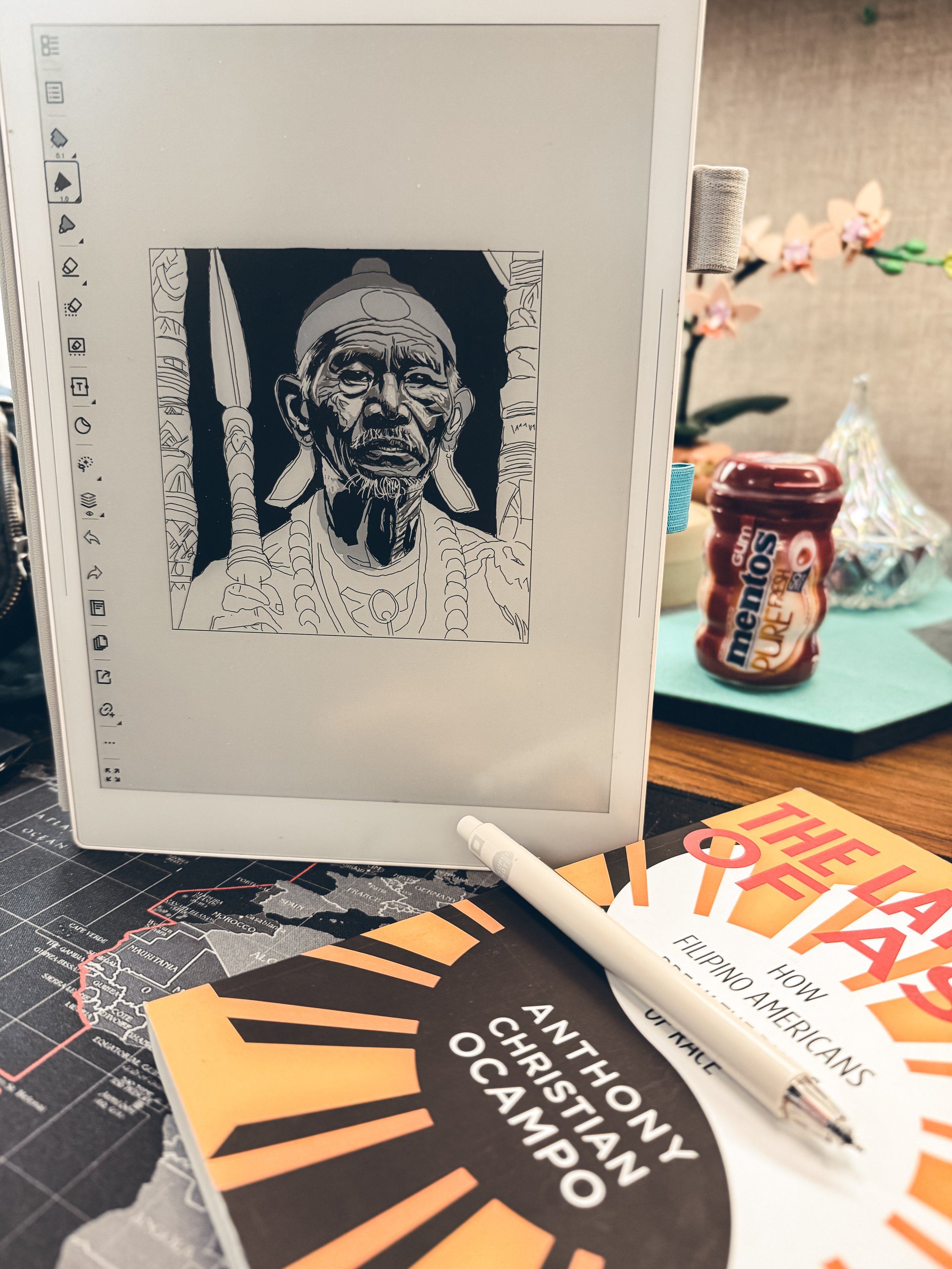
A central cultural practice associated with the Isnag is lapat—a customary rule of restriction that sets specific areas as off-limits (temporarily or by community decision) to protect resources and allow forests, rivers, and hunting grounds to recover. It’s an Indigenous system of stewardship: conservation enforced not by distant policy, but by shared agreement and accountability. 

Older ethnographic and historical accounts also record headhunting (head-taking) as part of the region’s past, including among communities identified as Isnag/Isneg. In those accounts, it is tied to cycles of conflict, revenge obligations, and warrior status—realities of survival in earlier periods that should be described plainly, not romanticized. Importantly, this is treated as a historical practice rather than a defining feature of Isnag life today. 

Taken together, these threads show a fuller portrait: a people rooted in river country, guided by community law like lapat, and shaped—like many societies—by historical eras that included conflict and change. In the present, discussions of Isnag identity are far more often centered on cultural continuity, homeland, and the protection of land and water that continue to sustain community life. 
Next up->
Tribe Series: Sama Banguingui

Sama Banguingui: People of the Channels and the Open Sea


Along the blue corridors of the Sulu Archipelago, the Sama Banguingui have long lived with salt in their calendars—measuring time by tides, wind shifts, and the distance between islands. Their world is coastal and maritime: fishing grounds, sea routes, and communities shaped by movement, kinship, and water that is never truly still. 


Their history is often told in sharp labels—“raiders,” “pirates,” “forts,” “expeditions”—because colonial records fixated on conflict in the 18th and 19th centuries. But identity is rarely that simple. Scholars describe how the Balangingi/Samal communities formed and changed over time through war, captivity, alliance, and survival in the wider “Sulu Zone.”  And in 1848, Spanish forces attacked the Balanguingui strongholds and deported many Samal people far from their island homes—an upheaval that still echoes in memory and dispersal. 


Today, the Sama Banguingui are not frozen in the past. You can see modern expressions of community and resilience in places like Zamboanga City—where families continue sea-based livelihoods and, in some areas, women have stepped forward as guides and leaders in local island ecotourism initiatives.  Their language—often referenced as Balangingih Sama—remains a living thread that ties shore to shore, story to story. 

Next Up->

Tribe Series: Sama Bajau

The Sama Bajau: Living Between Tide and Horizon

Across the Sulu Sea and Celebes Sea, many Sama Bajau communities have long lived with motion—fishing, trading, and traveling along island corridors where water is road, pantry, and map. Some still raise stilt homes or stay close to the shore in handmade houseboats like the lepa, moving in family-linked flotillas and gathering at shared mooring points through the year. 

Their free-diving skill isn’t performance—it’s livelihood. Researchers have documented Bajau diving as an everyday endurance practice, and a well-known study found their spleens tend to be much larger than neighboring land groups, supporting longer breath-hold dives by boosting oxygenated blood during submersion. 

And they carry culture the same way they carry water: with lightness and repetition. Boat life is decorated with carved forms and motifs (often described as okil), while music and instruments—gong ensembles, xylophone-like gabbang, and more—mark ceremonies and memory as much as any shoreline. 

Today, borders and paperwork can weigh heavier than nets. In parts of Sabah—including areas around Semporna—many Sama Dilaut/Bajau Laut families face generations of statelessness and displacement, and recent enforcement actions have destroyed stilt settlements and boats, pushing whole communities into even greater precarity. 

Next Up->

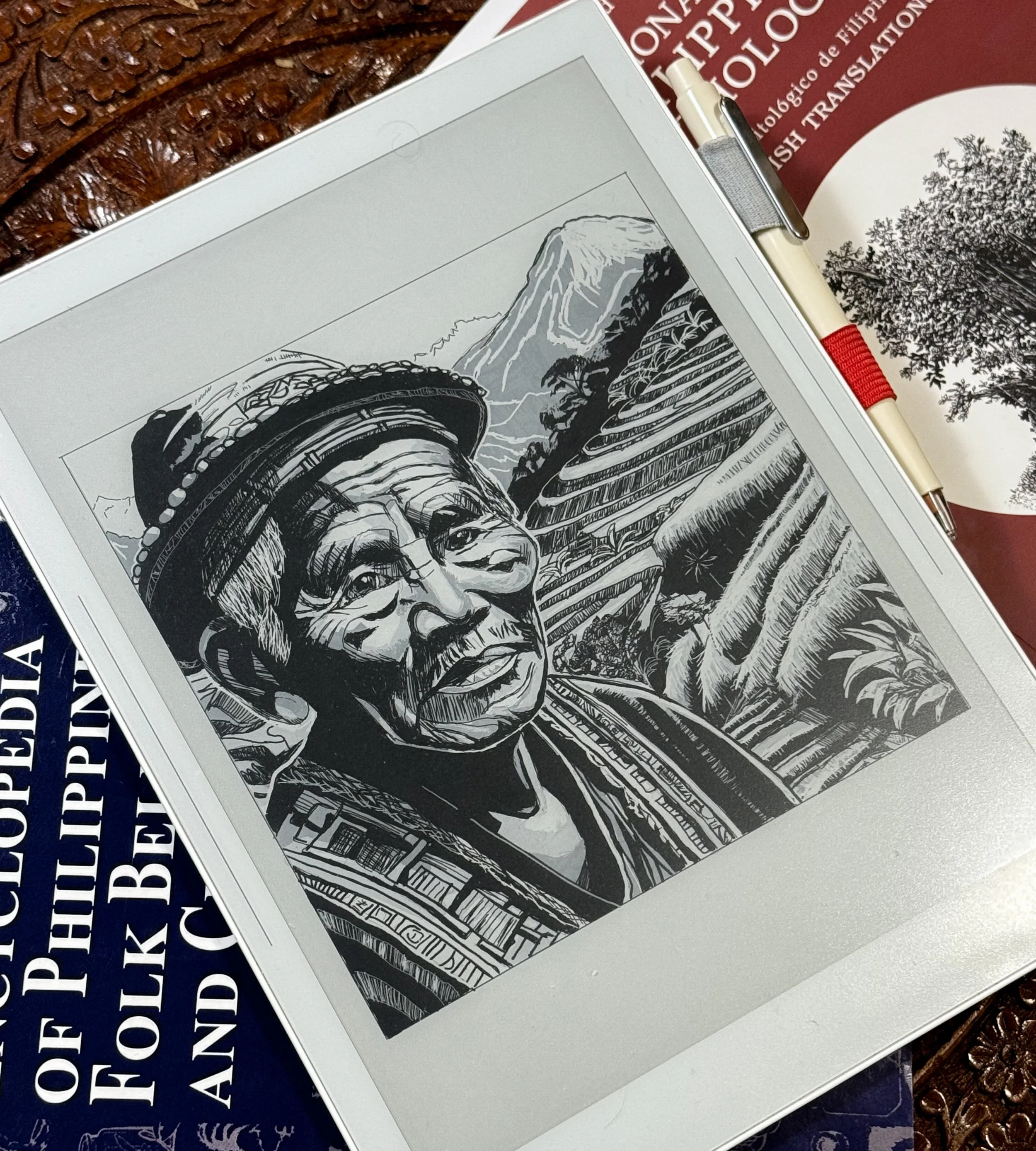
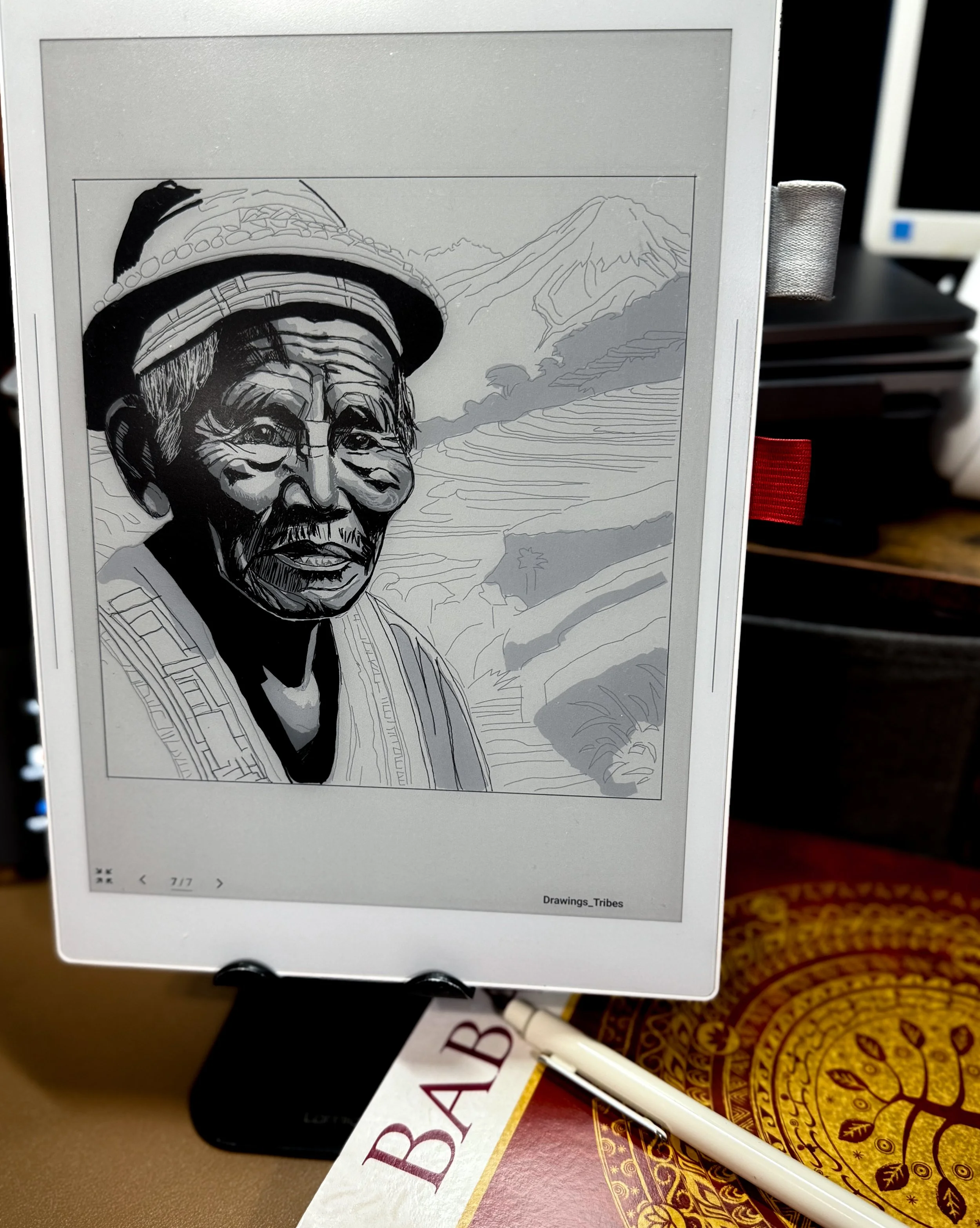
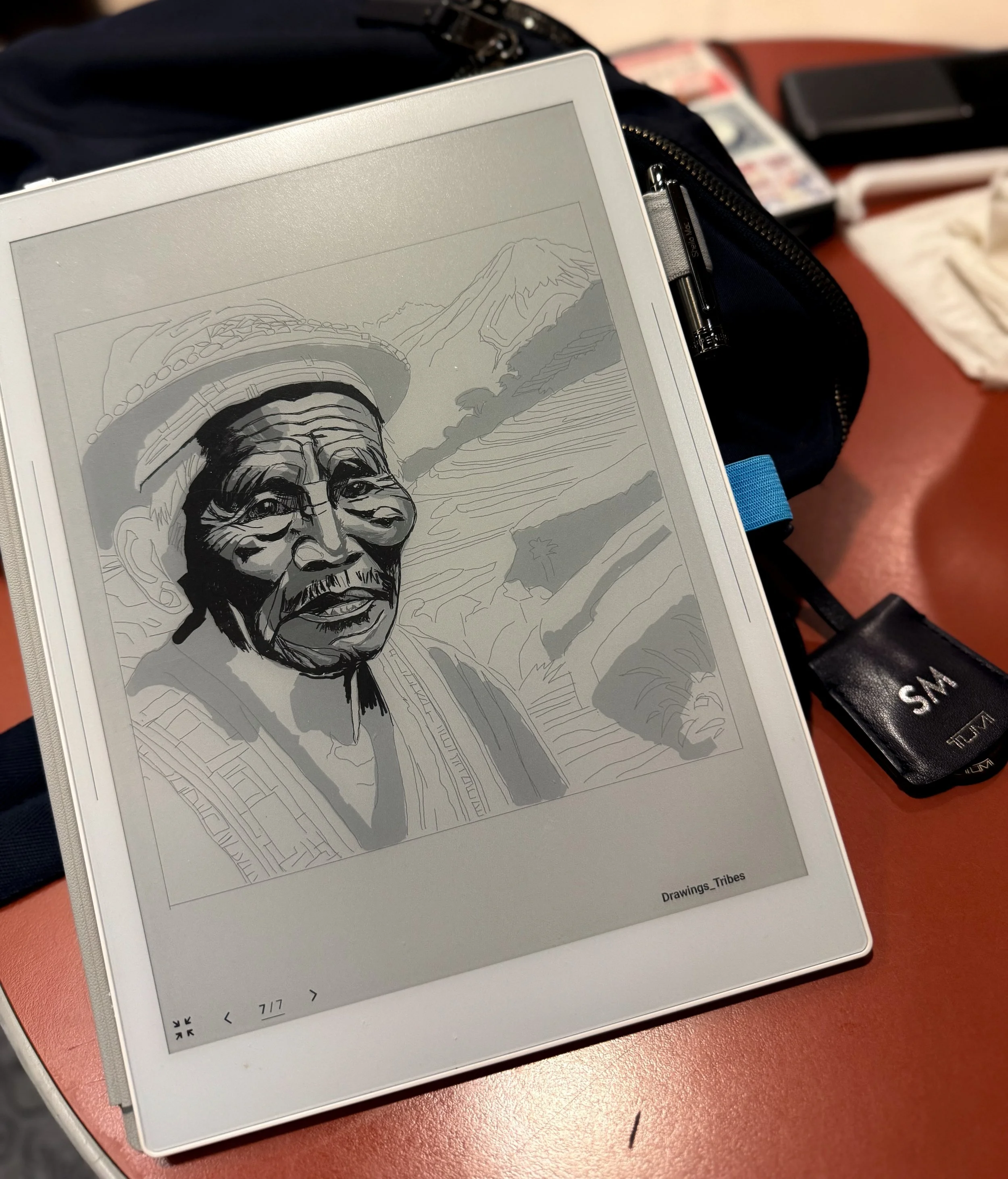
Tribe Series: Ifugao

The Ifugao: Terraced Mountains, Living Memory

High in the Cordillera range of northern Luzon, the Ifugao are known for a landscape shaped by human hands and patience: the Rice Terraces of the Philippine Cordilleras—stone-and-earth steps carved into mountainsides, sustained by complex water management and community labor across generations. 

Their heritage is carried not only in fields, but in voice. The Hudhud is a tradition of long narrative chants performed during rice cultivation seasons and in funeral wakes and rituals—an epic archive of heroes, values, and customary life that can last for days when fully recited. 

And inside granaries, meaning becomes tangible: bulul figures—carved ancestral guardians—are traditionally placed to protect the rice and secure abundance, linking harvest to ritual, kinship, and responsibility. 

Today, the terraces face pressure from environmental change and social shifts, but the Ifugao story is still defined by stewardship—knowledge that adapts, communities that organize, and a relationship to land measured in centuries rather than seasons. 

Next Up->

Tribe Series: Kalinga

The Kalinga: Highlands, River-Paths, and Peace Pacts

In the Cordillera highlands of Luzon, the Kalinga have long lived close to the grain of the mountains—terraces, footpaths, and the river systems that make daily life possible. The Chico River is often described as a “river of life” for communities along its banks, tying farming, trade, and movement together in the upland interior. 

Older accounts of Kalinga society include a warrior reputation and the historical practice of headhunting—real violence, but not senseless: it operated inside rules of conflict, status, and obligation. What’s just as important is what developed alongside it: bodong, a formal peace-pact institution between groups, treated as a binding covenant of non-aggression and a framework for settling disputes. Over time, bodong helped limit cycles of retaliation and reduce warfare and headhunting by turning conflict into negotiated responsibility. 

Kalinga identity is also carried through craft and mark-making—textiles with bold geometry, and the hand-tapped tattoo tradition known widely through Whang-od Oggay of Buscalan, recognized for keeping the practice visible into the present. 

Today, the Kalinga story continues under modern pressure: roads and tourism, migration, and big development fights—like long resistance movements around projects affecting the Chico River watershed, which became a landmark case in Indigenous land and rights struggles. 

Next Up->

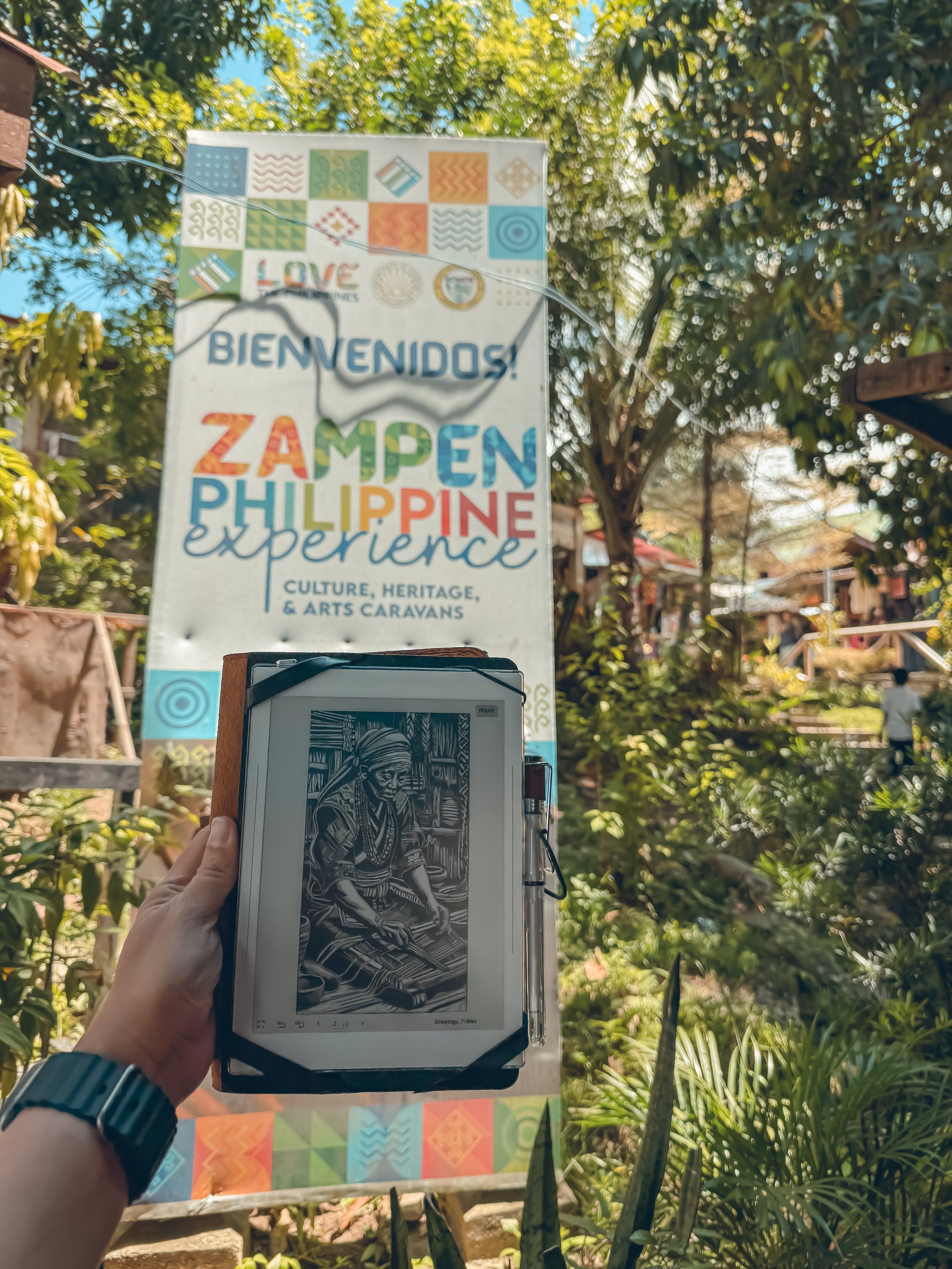
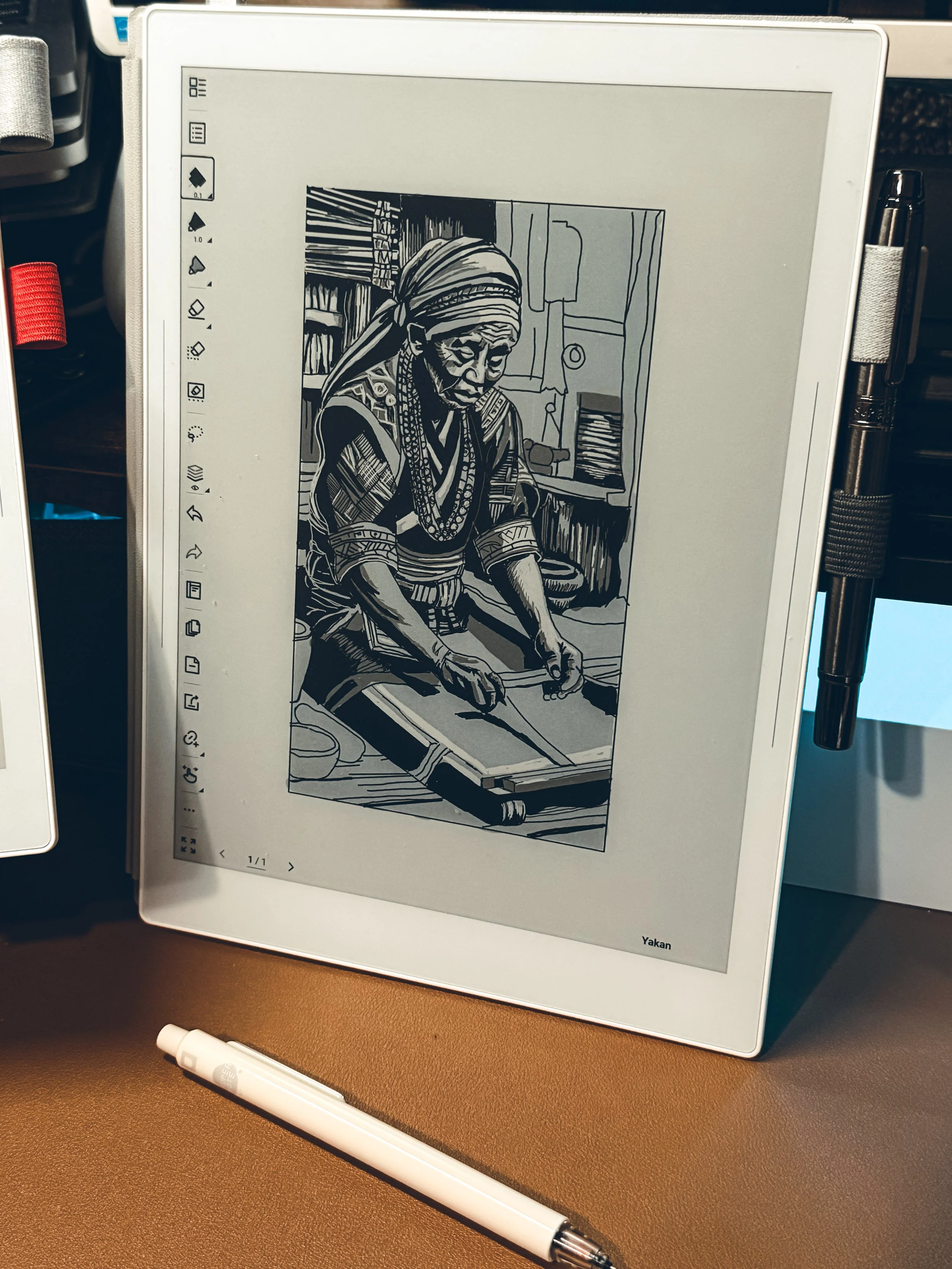
Tribe Series: Yakan

The Yakan: Geometry in Thread, Roots in Basilan

The Yakan are an Indigenous ethnolinguistic group of the southern Philippines, living primarily on Basilan Island and nearby islands off the Zamboanga Peninsula, with smaller communities elsewhere in Mindanao and in Sabah.

On Basilan, the Yakan formed a life shaped by inland farming and island crossings—close enough to the sea to feel the trade winds, but grounded in fields, forest edges, and community ties. 

Often described as upland farmers, many Yakan communities are rooted in the mountainous interior of Basilan, growing staples like rice and cassava—life organized around seasons, soil, and shared labor more than coastline spectacle.

What they’re most widely known for is weaving that reads like a language: tight symmetry, bold color, and patterns passed hand-to-hand. The seputangan stands out—an intensely detailed square cloth worn at the waist or as a head covering, and used in ceremonies like weddings. It’s also described as symbolically connected to rice and planting rituals, linking design to livelihood. 


In the 1970s, violence and insecurity pushed many Yakan families to resettle in Zamboanga City. The move changed the setting, but not the craft: weaving traveled with them and became both economic survival and cultural continuity—proof that a people can be displaced without being erased. 

Next Up->

Tribe Series: Tausug

The Tausug: People of the Current and the Crown of Sulu


Across the islands of the Sulu Archipelago—especially around Jolo—the Tausug have long lived with movement: boats, trade routes, tides, and the push-pull of the Sulu Sea. Even their name is often explained as “people of the current,” linking identity to flow rather than fixed ground. 


That maritime world built more than livelihood—it built power. Through the Sultanate of Sulu, the region became known for sea-based strength: diplomacy and commerce, but also warfare that moved by water and struck fast across island corridors. 

And then there’s the cloth—bright, precise, unmistakable. The pis syabit is a multicolored woven square traditionally worn by Tausug men as a headcloth or accessory, its geometry carrying both craft mastery and social meaning. 

Today, many Tausug communities live not only in Sulu but also in parts of mainland Mindanao and across borders in places like Sabah—migration shaped by opportunity, disruption, and history. Yet the through-line remains: identity carried forward in navigation, kinship, faith, and the patterned language of what the hands still know how to make. 

Next Up->