Creatures of the In-Between : The Tikbalang

1. What is the Creature?

The Tikbalang is one of the most recognizable creatures in Filipino mythology, often described as a towering being with the head of a horse and the body of a man. In many stories, it is known for leading travelers astray, causing them to lose their way even when they are walking along a path they know well. A person can leave home confident that they know exactly where they are going, only to find themselves wandering in circles without understanding how they became lost.

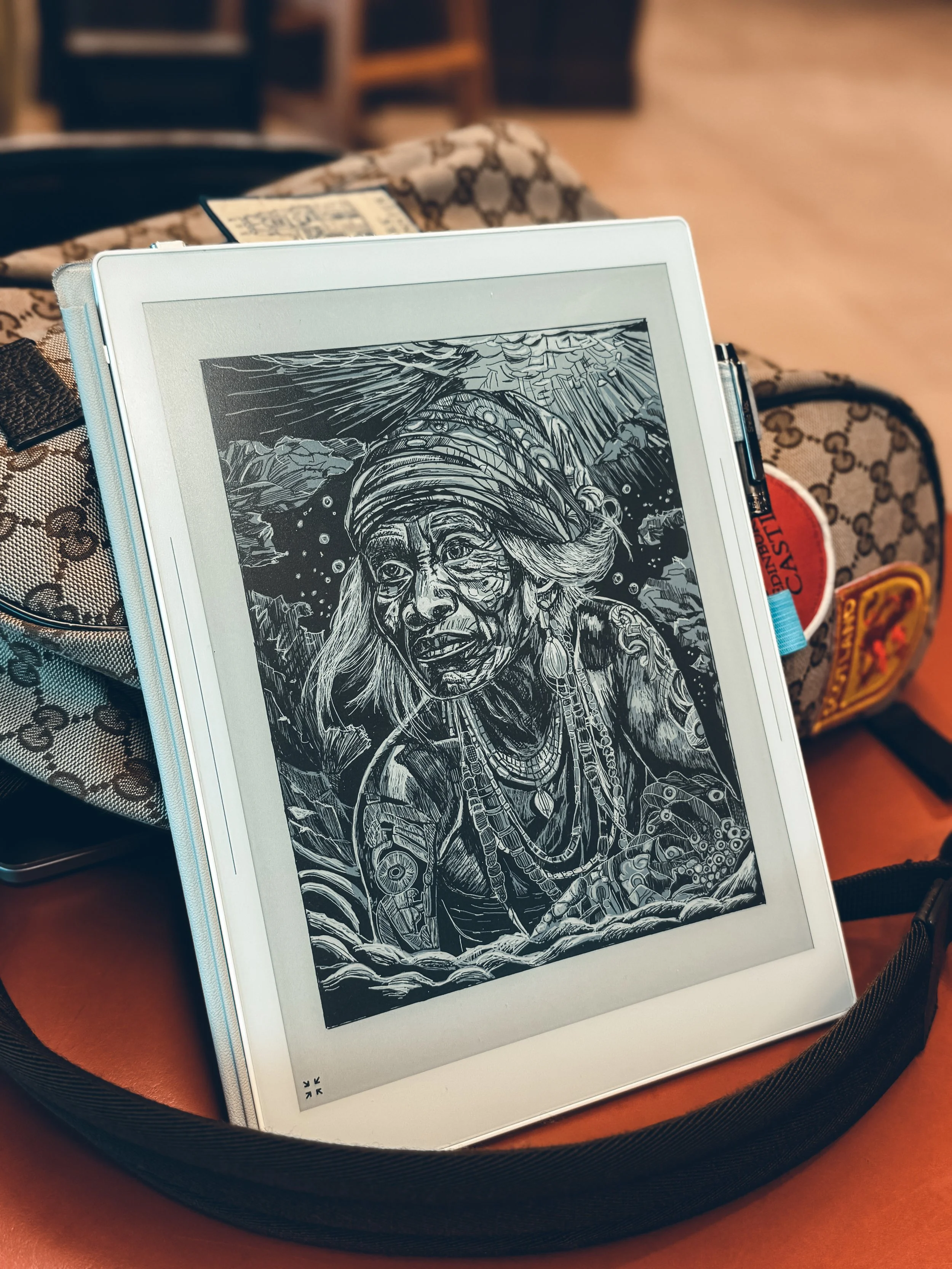
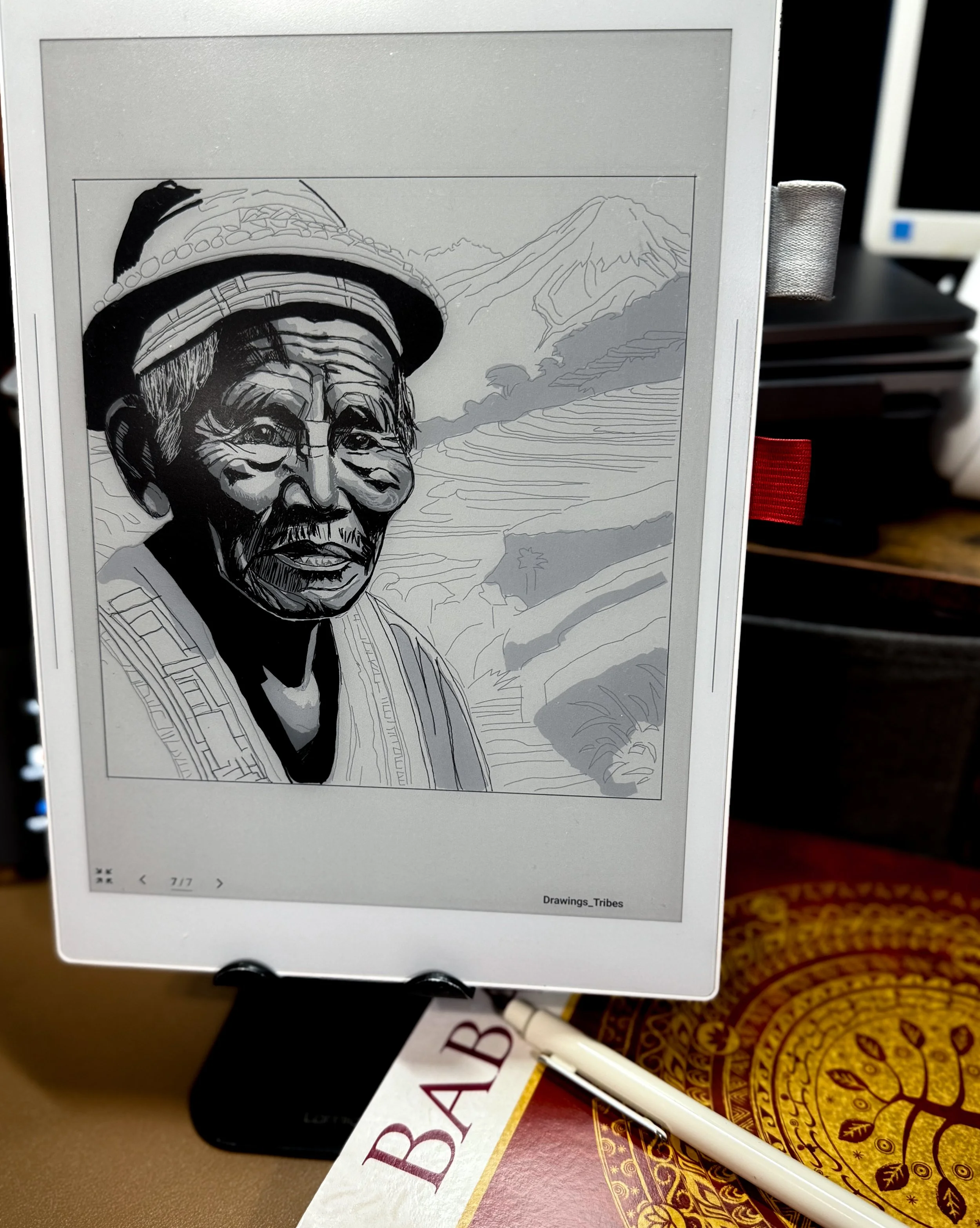
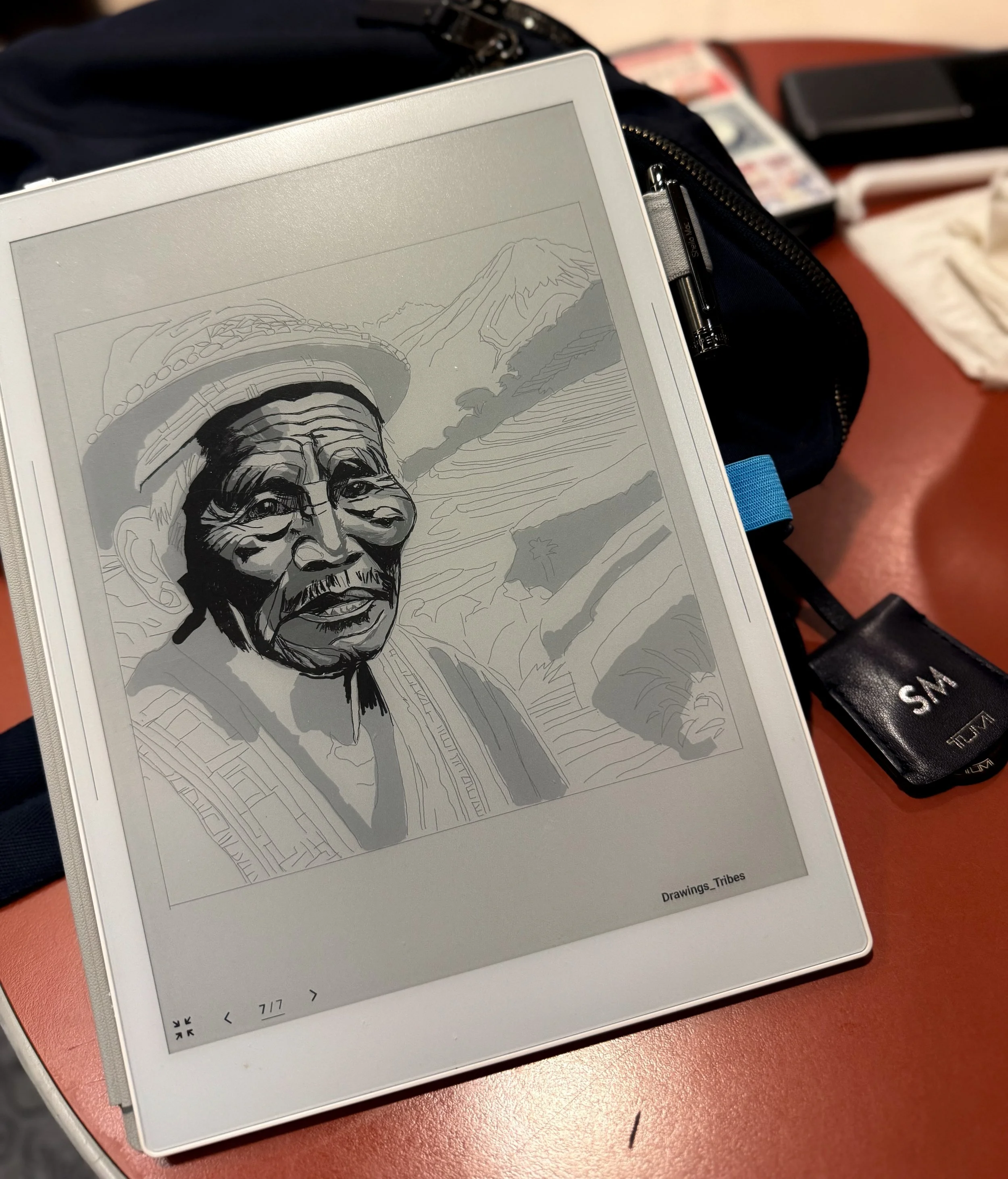
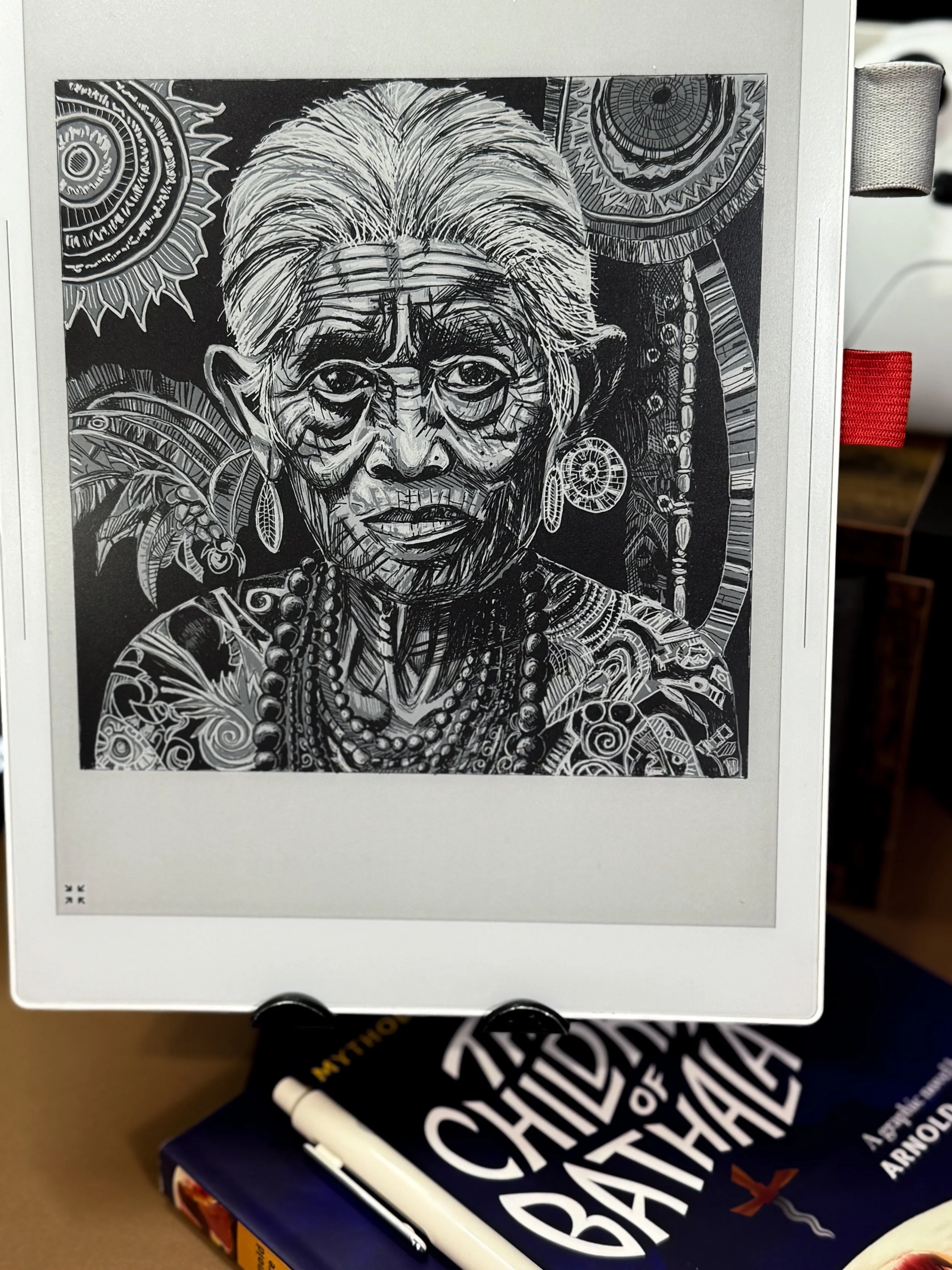
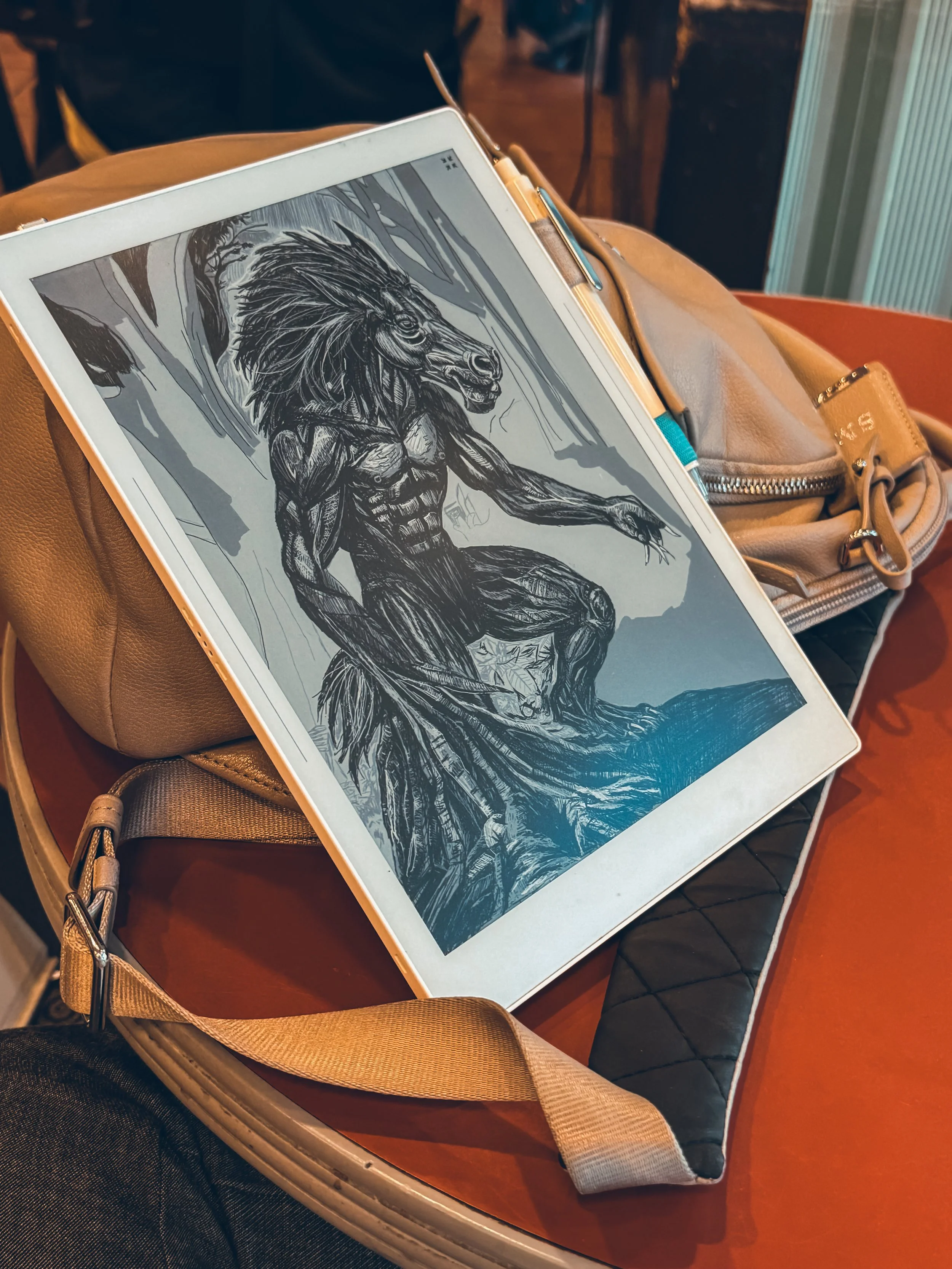
For my rendition of the Tikbalang, I wanted to focus less on its physical appearance and more on the feeling it creates. In my version, the Tikbalang does not stand in the middle of a trail waiting to be seen. Instead, it blends into the forest itself. It moves between the trees and shadows so naturally that it becomes part of the landscape. Most of the time, you do not see it at all. You sense its presence before you ever lay eyes on it.

You feel the hairs on the back of your neck stand up. You hear movement somewhere in the distance. You catch a glimpse of something shifting between the trees, but when you turn your head, there is nothing there. The forest suddenly feels unfamiliar even though it looked welcoming only moments before. The Tikbalang has not changed the forest. It has simply changed the way you experience it.

According to folklore, there are several ways to overcome a Tikbalang. One method is to turn your shirt inside out, which is said to confuse the creature and break its spell over you. Another method requires far more courage. If a person can manage to jump onto the Tikbalang's back and hold on long enough to pluck a hair from its mane, the creature loses its advantage and is forced to acknowledge the rider.

As a child, I found these stories frightening because they made the world feel unpredictable. As an adult, I find myself returning to them because they describe a feeling that is surprisingly familiar.
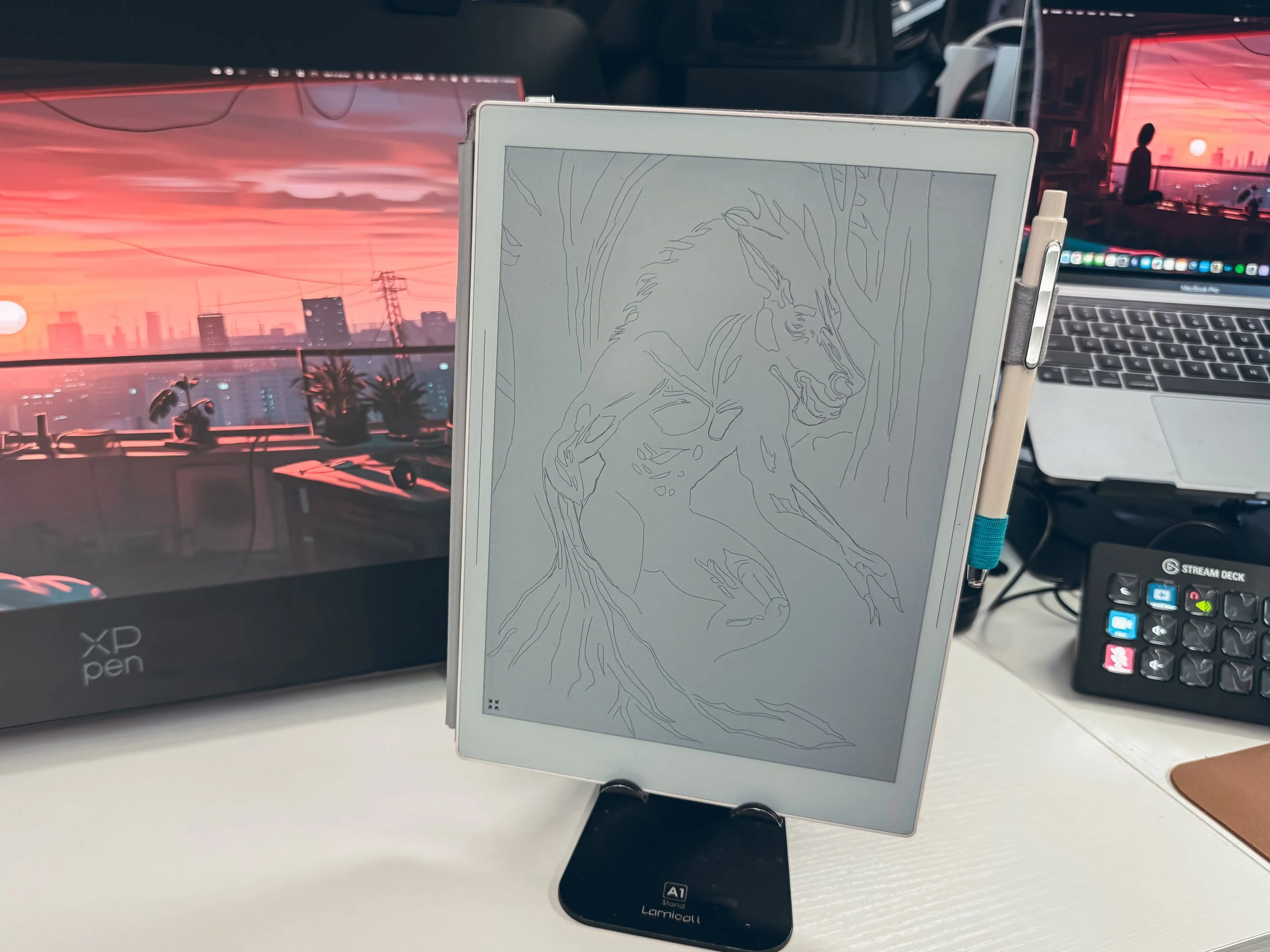
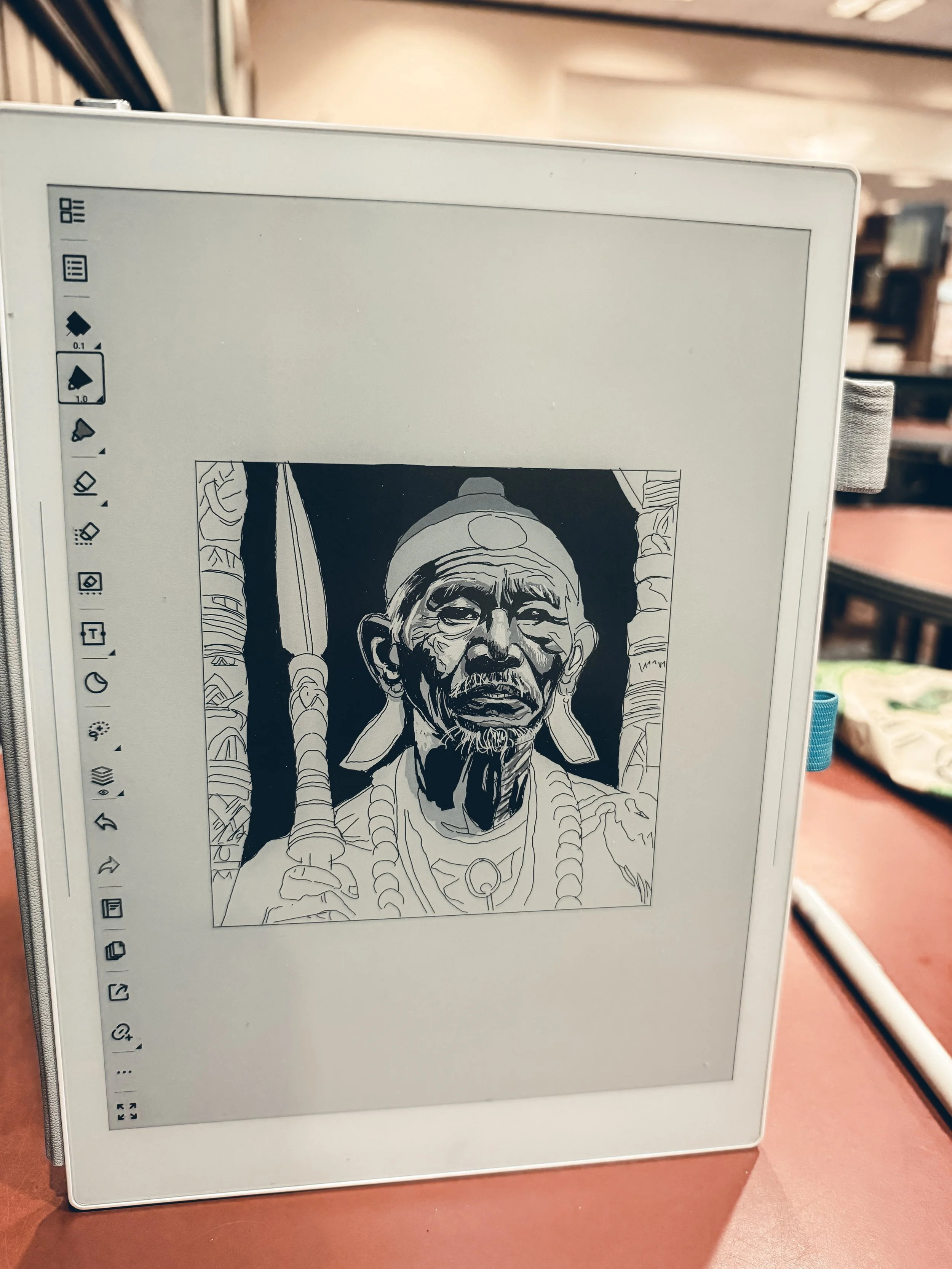
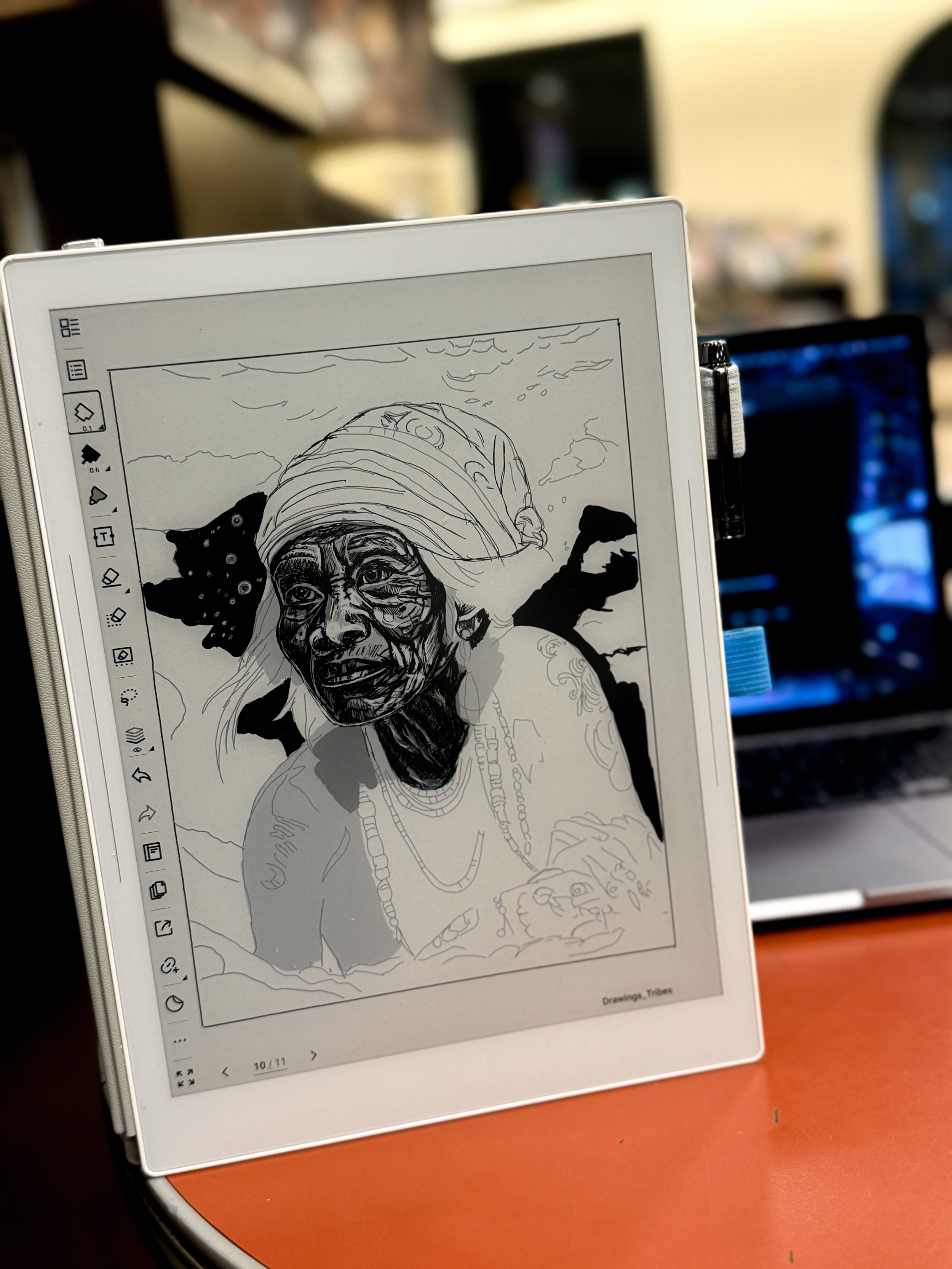
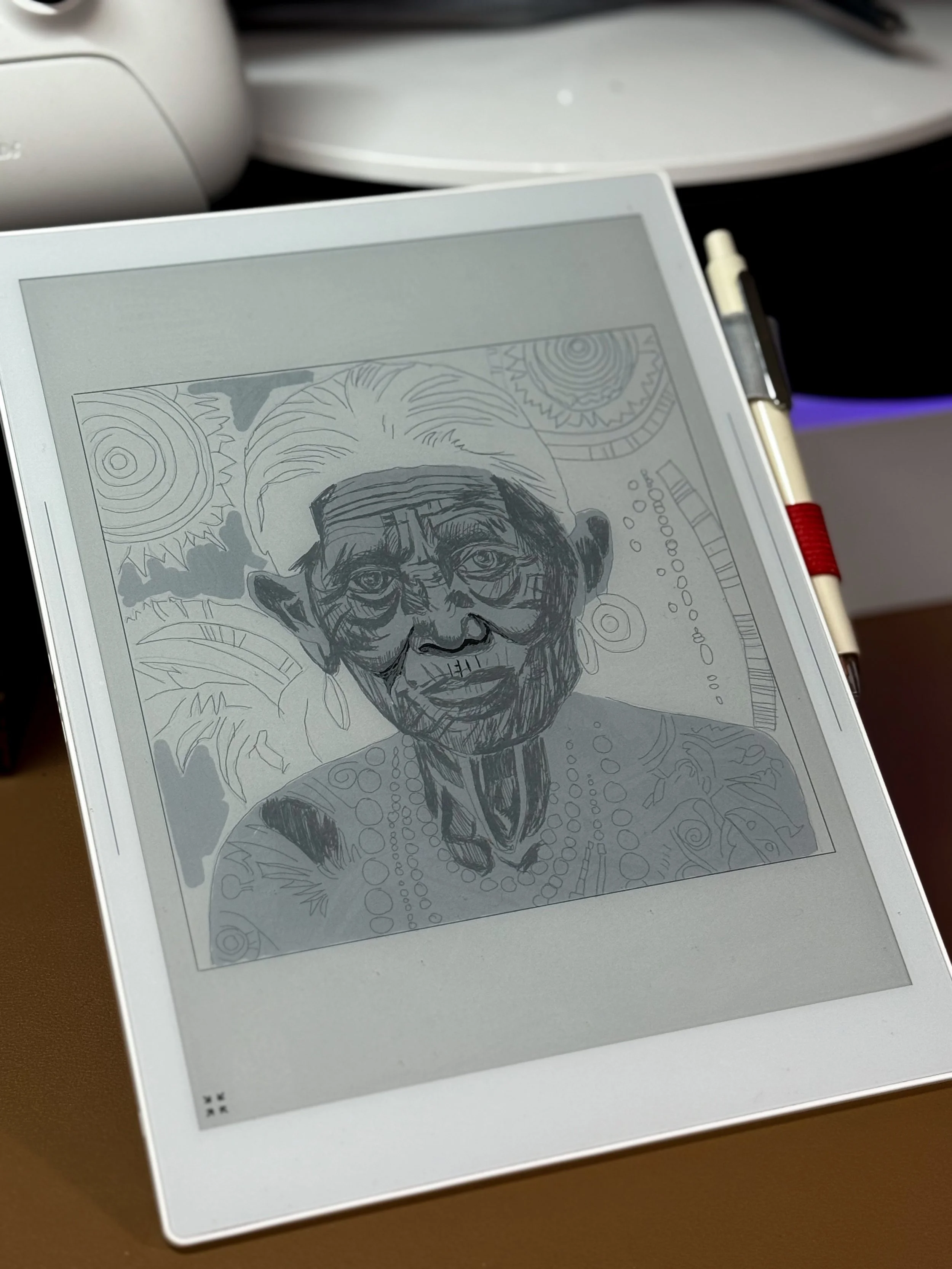
initial outline done in Needle Point Pen .1 in Dark Grey.

2. What Part of the Diaspora Does This Creature Parallel?

For me, the Tikbalang represents the feeling of being lost between worlds.

One of the strongest memories I have from growing up in the diaspora comes from attending Filipino gatherings. These events were always filled with family, food, laughter, and stories, yet there were moments when I felt like I was standing just outside the conversation looking in. People would naturally shift between dialects and languages that I did not understand, and although I recognized the warmth in the room, I often felt disconnected from the words being spoken around me.

As I stood there listening, I would find myself hoping that nobody would ask me a particular question. Eventually, however, someone almost always did.

"Do you speak the language?"

When I answered no, there was often a look that followed. It was not anger and it was not hostility. It was more of a quiet disappointment, as though I had somehow failed a test I did not know I was taking. The message was rarely spoken directly, but it was often implied that I should learn.

What always stayed with me was that nobody ever explained how.

Nobody handed me a book. Nobody recommended a class. Nobody offered a list of resources. At that point in time, we did not have language learning apps, online communities, podcasts, YouTube channels, and digital archives available at the touch of a button. The expectation existed, but the roadmap did not.

Looking back, that experience reminds me of the Tikbalang.

The creature does not force a traveler off the path all at once. Instead, it creates doubt. The traveler begins questioning every turn and every landmark until they no longer trust their own sense of direction. In much the same way, I began questioning my own place within my heritage. I wondered whether I was Filipino enough, whether I was missing something important, and whether I would ever feel fully connected to a culture that was already supposed to belong to me.

The more I focused on those questions, the more lost I felt.

Like my rendition of the Tikbalang hidden among the trees, these feelings were difficult to see directly. I could not point to a single moment or a single person as the source of them. Instead, they existed in the background, quietly influencing how I viewed myself and my relationship to my culture.

That is why the Tikbalang became such a powerful symbol for me. It represents the uncertainty that many people in the diaspora carry with them. It represents the feeling of knowing where you come from while still trying to figure out how you fit within that story.
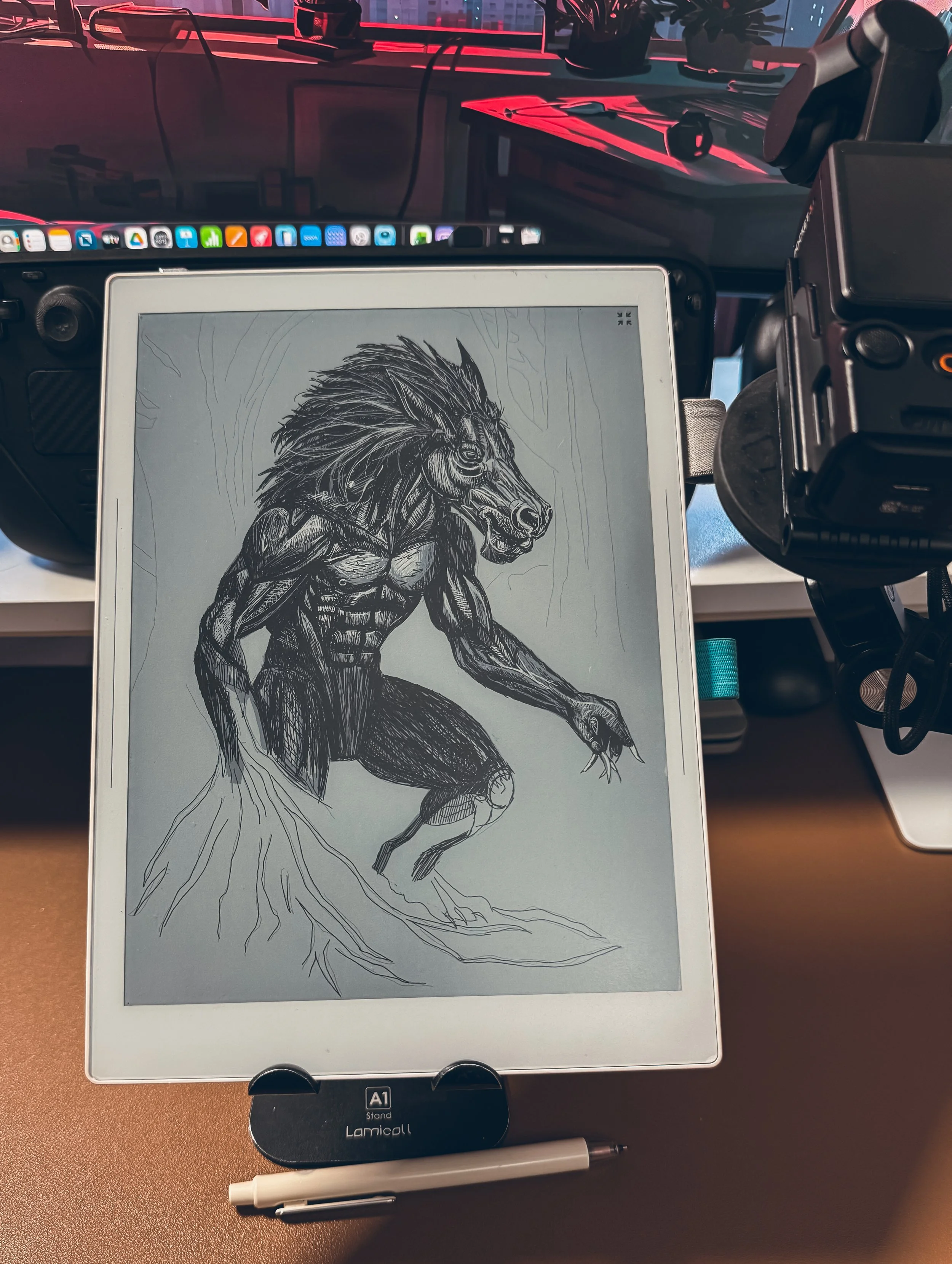
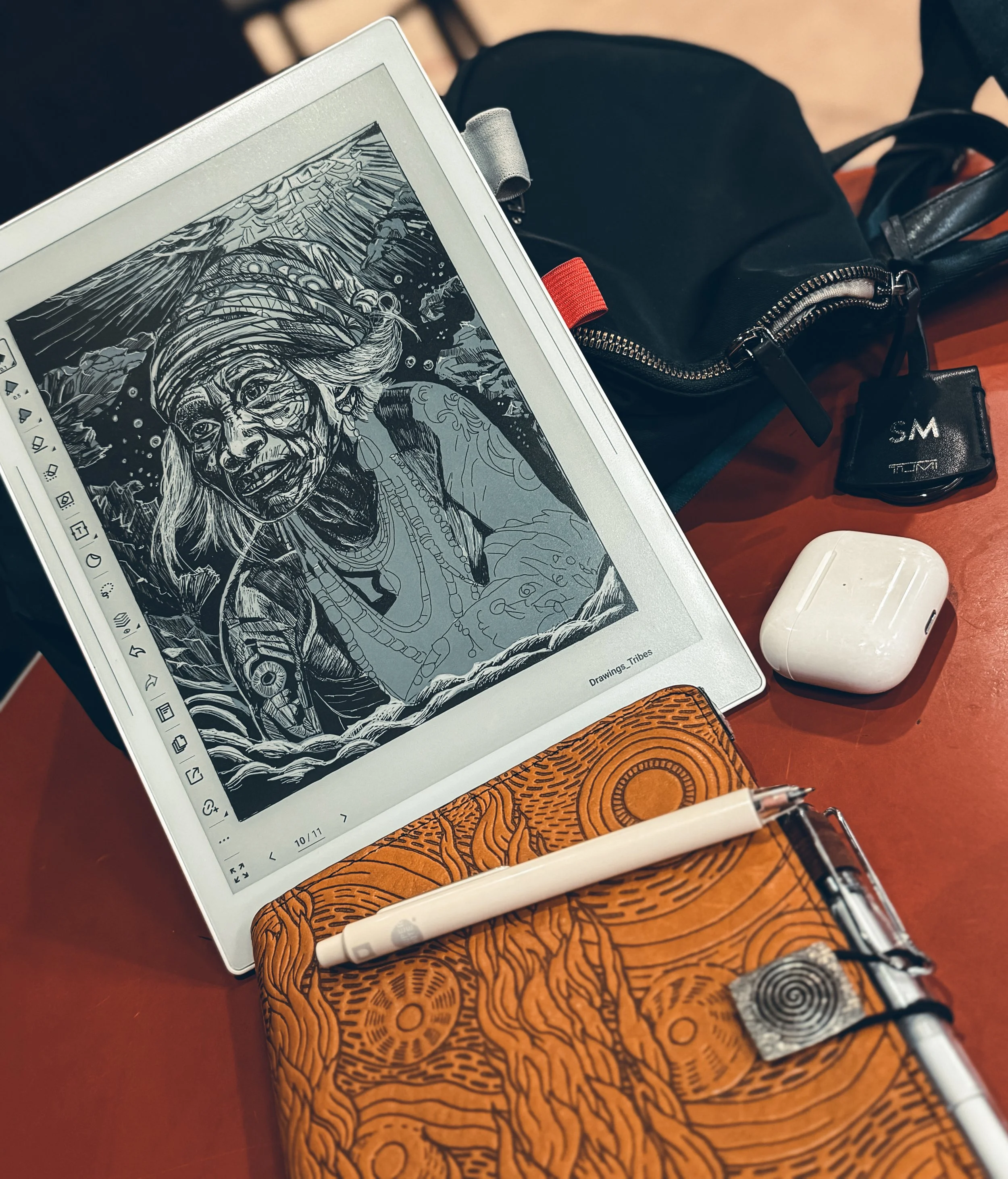
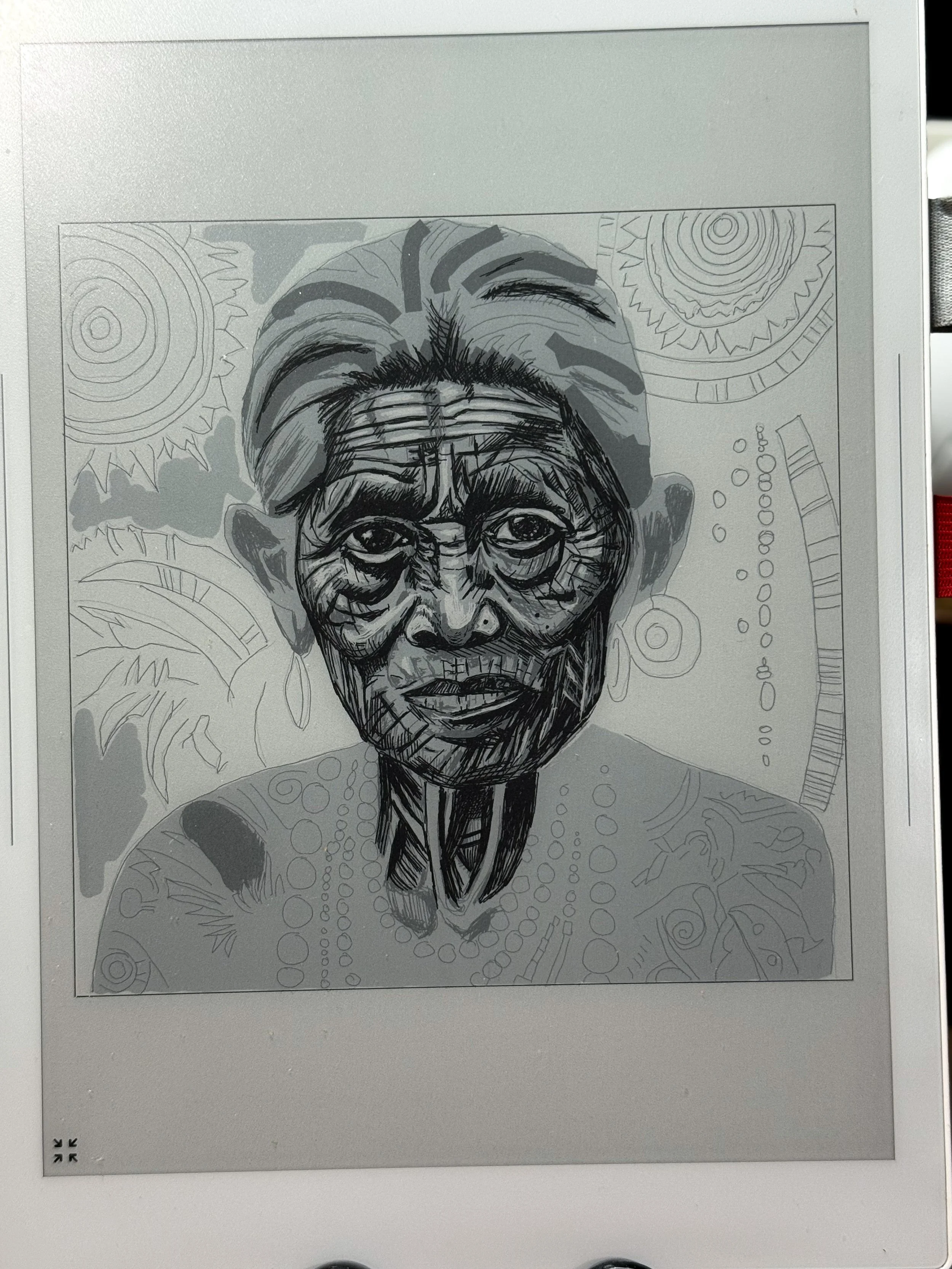
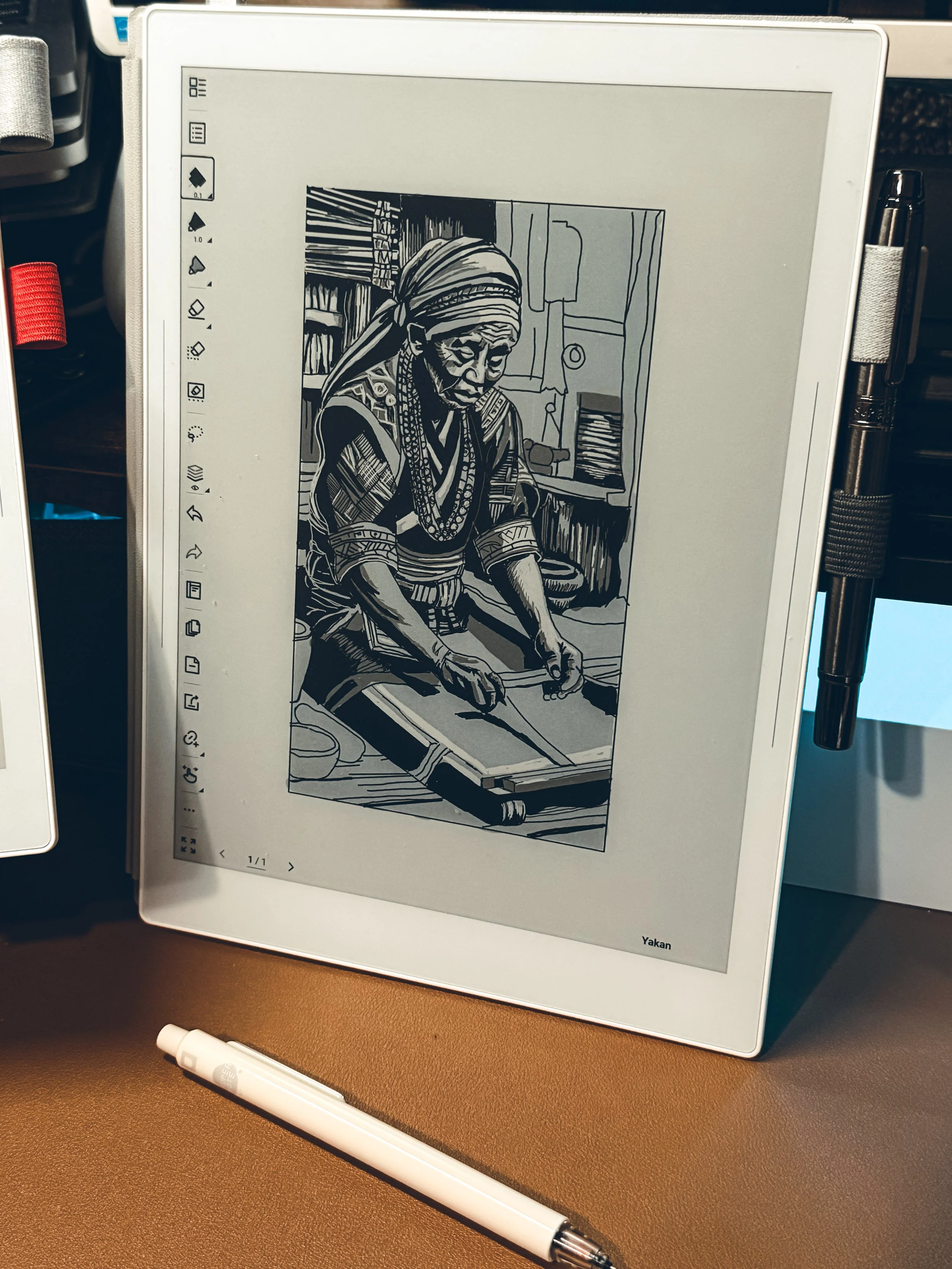
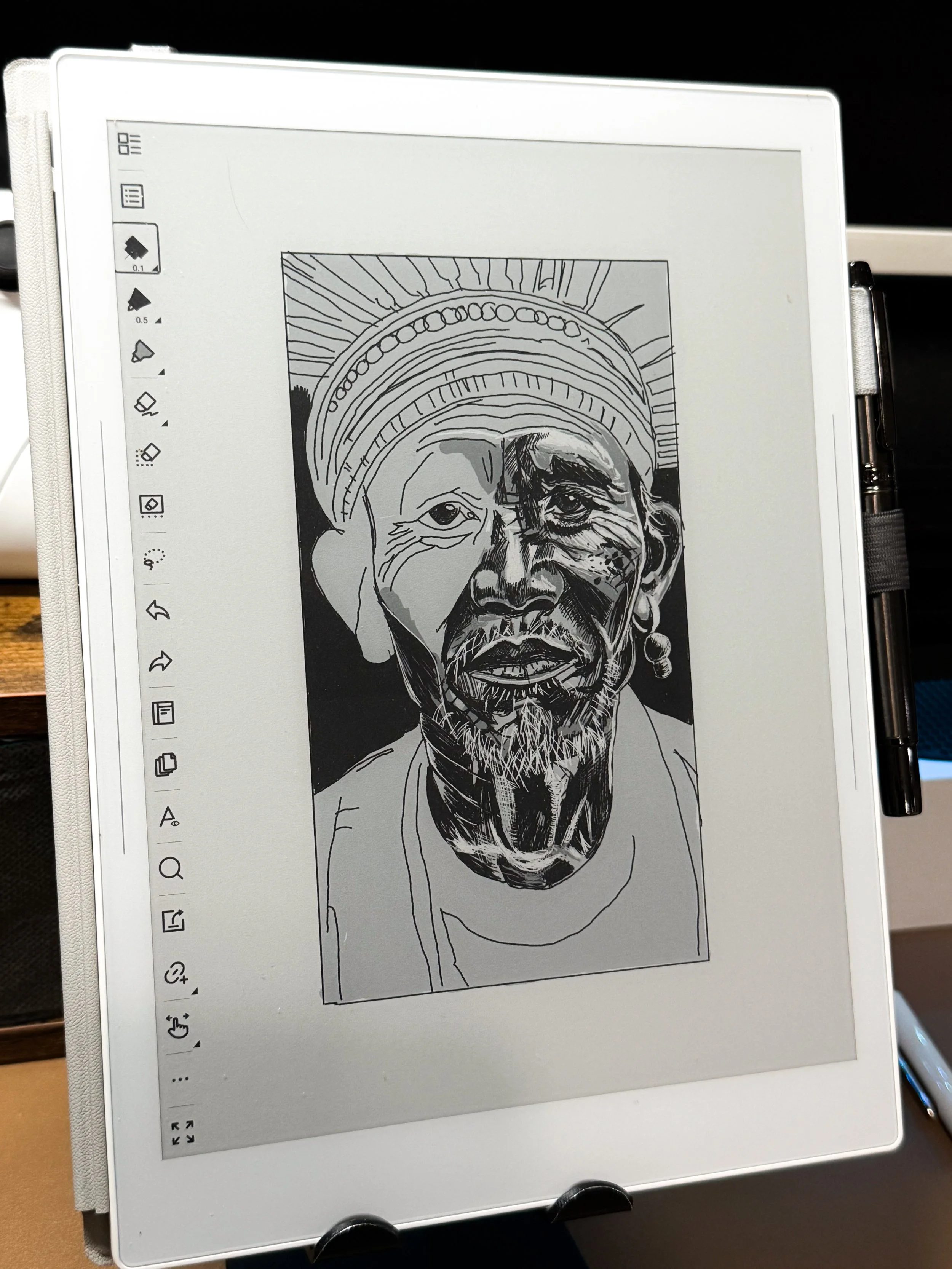
Between Needle Point and Calligraphy Pen for shading.


3. How Do You Battle This Creature?


According to folklore, one way to overcome a Tikbalang is to turn your shirt inside out. While that may sound like a simple superstition, I have come to appreciate the symbolism behind it.

For me, turning my shirt inside out represents turning my perspective inside out. It means questioning assumptions that I carried for years about what it means to belong. It means letting go of the belief that there is only one correct way to be Filipino and recognizing that identity is often more complicated than a checklist of languages spoken, traditions practiced, or customs remembered.

As I began exploring my heritage more deeply, I realized that I had access to resources that were unavailable to me when I was younger. I could read books, listen to podcasts, watch documentaries, connect with communities online, and learn from people willing to share their experiences. Instead of focusing on what I did not know, I began focusing on what I could learn. In many ways, that shift in perspective helped me find my bearings again.

The second way to battle a Tikbalang is to jump onto its back and pluck a hair from its mane. Out of all the stories associated with the creature, this is the one that resonates with me the most because it requires a person to confront the very thing that frightens them.

For me, that confrontation happens through art.

I have always been fascinated by Filipino mythology, but I have also been intimidated by it. The Tikbalang in particular has always occupied a space somewhere between curiosity and fear. There is something unsettling about a creature that remains hidden until the moment it decides to reveal itself.

By choosing to draw the Tikbalang, I am doing more than creating an illustration. I am taking something that once existed only in stories, fears, and imagination and giving it form. Every sketch forces me to spend time with the creature instead of avoiding it. Every line, every shadow, and every detail requires me to look directly at something that once made me uncomfortable.

In that sense, drawing the Tikbalang becomes my version of climbing onto its back.

Finishing the drawing becomes my version of plucking a hair from its mane.

The goal is not to destroy the creature or erase it from existence. The goal is to understand it. The same is true of my diaspora journey. I may never learn every language, know every tradition, or uncover every story connected to my heritage, but each drawing, each book, each conversation, and each piece of research brings me one step closer to understanding the path I am walking.

The Tikbalang is still somewhere in the forest, but it no longer feels like an enemy waiting to lead me astray. Instead, it has become a guide that reminds me that getting lost is sometimes part of finding your way home.
Interested in more?
Creatures of the In-Between Series

Filipino Mythology & Diaspora

I didn't set out to create a mythology series.

Like many of my projects, it started with a drawing.

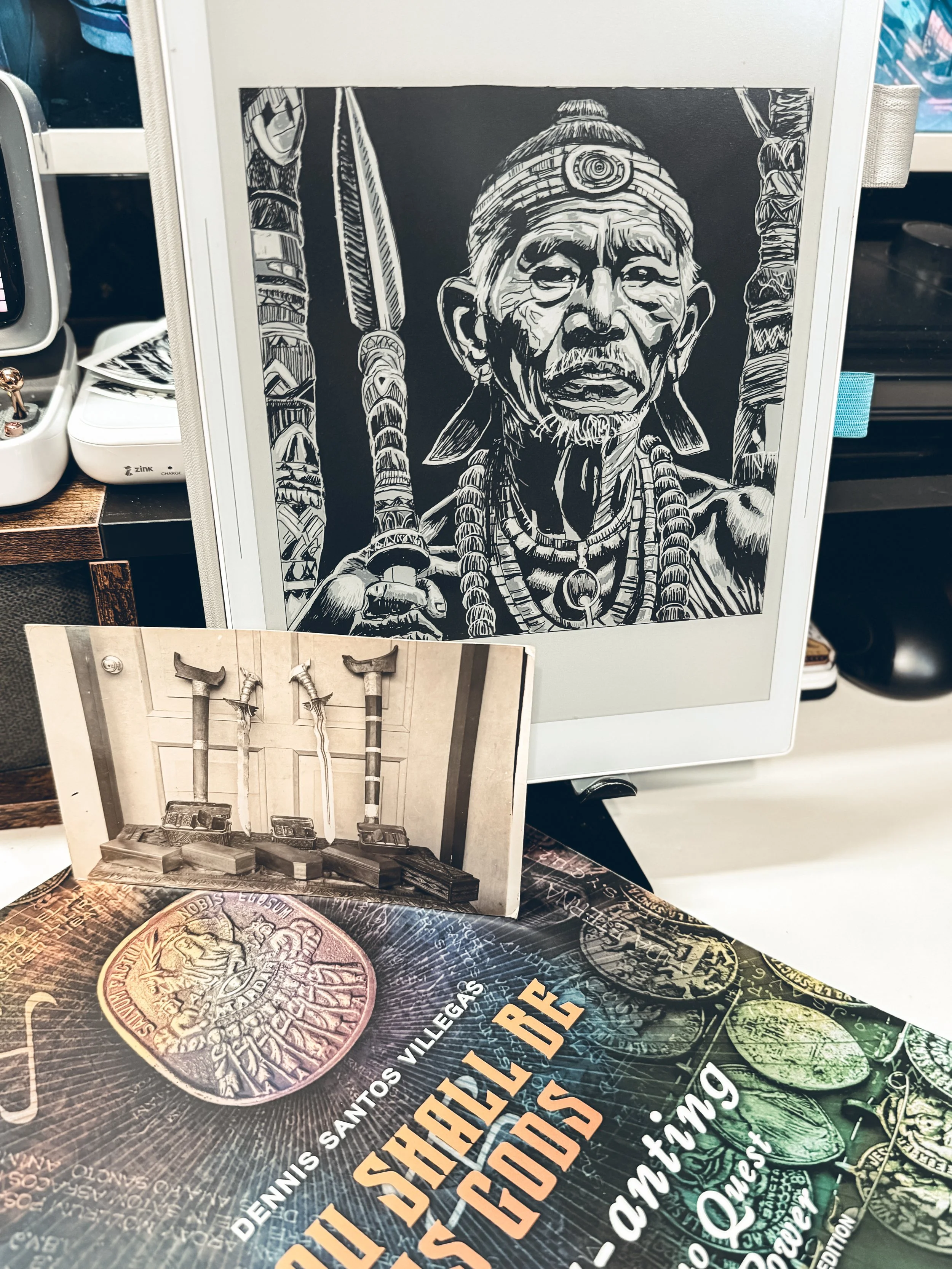
After spending time researching the tribes, history, weapons, and traditions of the Philippines, I found myself becoming curious about the stories that lived alongside them. Every culture has its legends, and the Philippines is filled with creatures that have been passed down through generations. Some were used as warnings. Some were used as lessons. Some were simply stories told to children long after the sun went down.

As a kid, many of these creatures scared me.

The funny thing is that even though I grew up hearing about them, I never really stopped to think about what they represented. They were just monsters. They lived in forests, dark corners, and places I had no intention of visiting.

It wasn't until much later in life that I found myself looking at them differently.

The more I explored my own journey as part of the Filipino diaspora, the more I realized that these stories were not just about creatures. They were often about fear, uncertainty, belonging, identity, temptation, courage, and transformation. They were stories about navigating the unknown.

In many ways, so is the diaspora experience.

I left the Philippines when I was six years old. Like many children of the diaspora, I spent much of my life moving between worlds. I learned one set of customs at home and another outside of it. There were moments when I felt deeply connected to my heritage and moments when I felt completely disconnected from it. There were questions I didn't know how to answer and pieces of my culture that I didn't realize I was searching for until much later.

As I began drawing these creatures, I noticed something unexpected happening.

The creatures were starting to feel familiar.

Not because I had seen them before, but because I recognized the struggles they represented.

The Tikbalang that leads travelers astray began reminding me of the uncertainty that comes with trying to understand where you belong. Other creatures began revealing their own lessons as well. What I once viewed as monsters slowly transformed into metaphors.

That realization became the foundation for this series.

Rather than simply drawing Filipino mythological creatures, I want to explore what they can teach us. More specifically, I want to explore what they have taught me.

Each entry in this series will follow three questions.

The first question is simple: What is the creature?

This is where I will explore the mythology itself. I will share the stories I uncover, discuss the folklore surrounding the creature, and present my own artistic interpretation of what it might look like. My goal is not to create a definitive version of these beings, but rather to engage with the stories that have allowed them to survive across generations.

The second question asks: What part of the diaspora does this creature parallel?

This is where the series becomes personal.

As I have worked through my own experiences, I have come to realize that many of these creatures mirror challenges that exist outside of mythology. Feelings of being lost, disconnected, misunderstood, uncertain, or caught between identities are not unique experiences. They are part of many diaspora stories. Through these creatures, I hope to better understand my own.

The final question is: How do you battle this creature?

In folklore, there is often a way to overcome the challenge. Sometimes it requires courage. Sometimes it requires wisdom. Sometimes it requires seeing the world differently than before.

For me, this question is less about defeating monsters and more about learning from them.

I have discovered that some of the things that once frightened me become less intimidating once I understand them. The same has been true of my heritage. The more I learn about Filipino history, culture, language, traditions, and stories, the less I feel like an outsider looking in and the more I feel like a participant in an ongoing conversation.

Perhaps that is why I keep returning to these drawings.

Every time I sit down to sketch one of these creatures, I am doing more than creating artwork. I am engaging with a story. I am asking questions. I am examining pieces of myself that I may not have fully understood before.

In a strange way, every drawing feels like a conversation between the child who was afraid of these creatures and the adult who wants to understand them.

Maybe that is what this series is really about.

Not monsters.

Not even mythology.

But the journey of learning that some of the things we fear most often have the most to teach us.

So this is where the journey begins.

One creature at a time.


Creatures of the In-Between Series


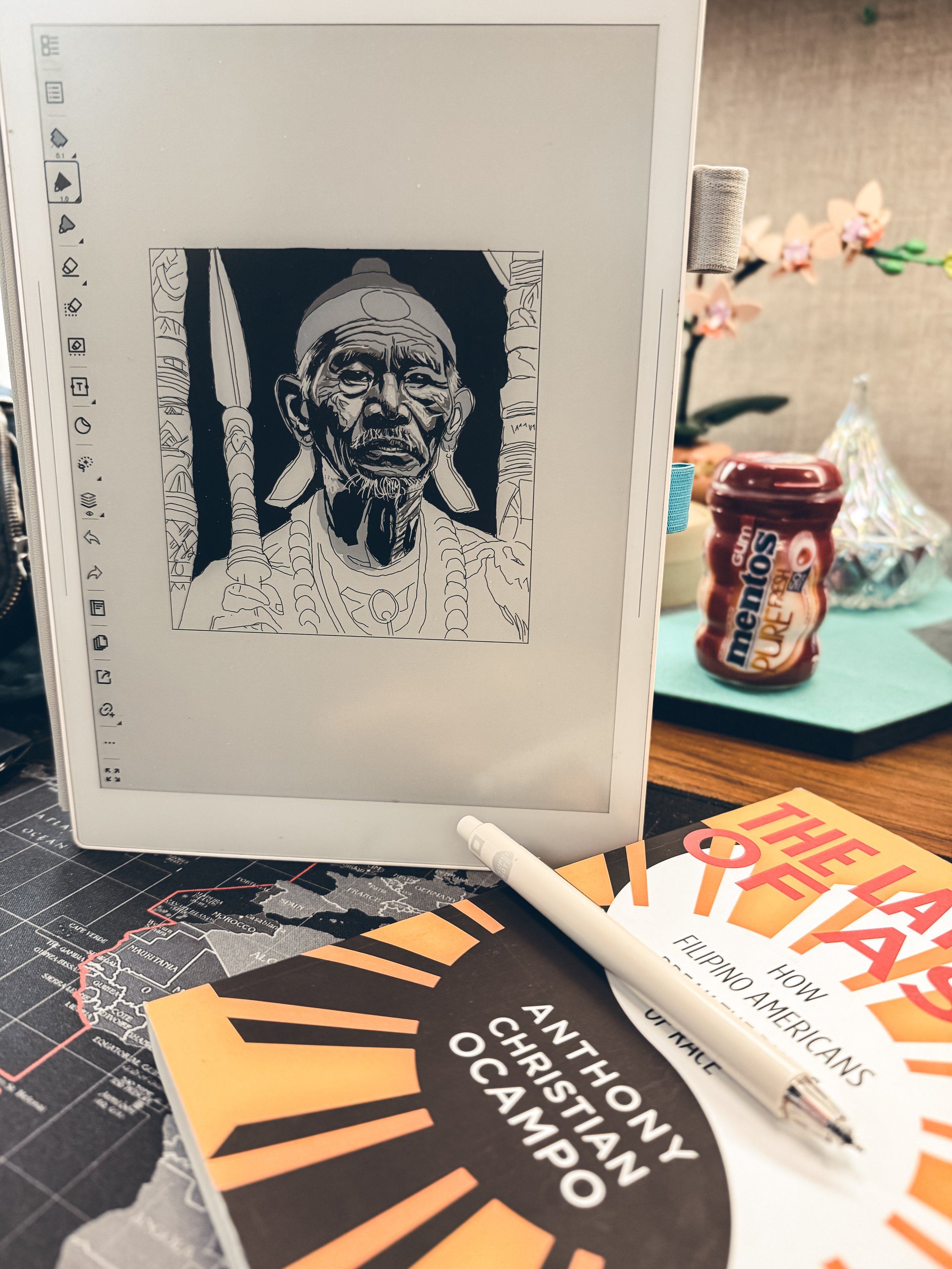
Tribe Series: Isnag

Isnag (Isneg): River Country, Lapat, and a History Transformed

In the northern highlands of Apayao Province, the Isnag—also widely spelled Isneg—are often described as a people shaped by river valleys and mountain terrain. Their communities have long been linked to waterways that served as routes for settlement, travel, and livelihood in a rugged landscape. 

A central cultural practice associated with the Isnag is lapat—a customary rule of restriction that sets specific areas as off-limits (temporarily or by community decision) to protect resources and allow forests, rivers, and hunting grounds to recover. It’s an Indigenous system of stewardship: conservation enforced not by distant policy, but by shared agreement and accountability. 

Older ethnographic and historical accounts also record headhunting (head-taking) as part of the region’s past, including among communities identified as Isnag/Isneg. In those accounts, it is tied to cycles of conflict, revenge obligations, and warrior status—realities of survival in earlier periods that should be described plainly, not romanticized. Importantly, this is treated as a historical practice rather than a defining feature of Isnag life today. 

Taken together, these threads show a fuller portrait: a people rooted in river country, guided by community law like lapat, and shaped—like many societies—by historical eras that included conflict and change. In the present, discussions of Isnag identity are far more often centered on cultural continuity, homeland, and the protection of land and water that continue to sustain community life. 

Next up->

Tribe Series: Sama Banguingui

Sama Banguingui: People of the Channels and the Open Sea


Along the blue corridors of the Sulu Archipelago, the Sama Banguingui have long lived with salt in their calendars—measuring time by tides, wind shifts, and the distance between islands. Their world is coastal and maritime: fishing grounds, sea routes, and communities shaped by movement, kinship, and water that is never truly still. 


Their history is often told in sharp labels—“raiders,” “pirates,” “forts,” “expeditions”—because colonial records fixated on conflict in the 18th and 19th centuries. But identity is rarely that simple. Scholars describe how the Balangingi/Samal communities formed and changed over time through war, captivity, alliance, and survival in the wider “Sulu Zone.”  And in 1848, Spanish forces attacked the Balanguingui strongholds and deported many Samal people far from their island homes—an upheaval that still echoes in memory and dispersal. 


Today, the Sama Banguingui are not frozen in the past. You can see modern expressions of community and resilience in places like Zamboanga City—where families continue sea-based livelihoods and, in some areas, women have stepped forward as guides and leaders in local island ecotourism initiatives.  Their language—often referenced as Balangingih Sama—remains a living thread that ties shore to shore, story to story. 

Next Up->

Tribe Series: Sama Bajau

The Sama Bajau: Living Between Tide and Horizon

Across the Sulu Sea and Celebes Sea, many Sama Bajau communities have long lived with motion—fishing, trading, and traveling along island corridors where water is road, pantry, and map. Some still raise stilt homes or stay close to the shore in handmade houseboats like the lepa, moving in family-linked flotillas and gathering at shared mooring points through the year. 

Their free-diving skill isn’t performance—it’s livelihood. Researchers have documented Bajau diving as an everyday endurance practice, and a well-known study found their spleens tend to be much larger than neighboring land groups, supporting longer breath-hold dives by boosting oxygenated blood during submersion. 

And they carry culture the same way they carry water: with lightness and repetition. Boat life is decorated with carved forms and motifs (often described as okil), while music and instruments—gong ensembles, xylophone-like gabbang, and more—mark ceremonies and memory as much as any shoreline. 

Today, borders and paperwork can weigh heavier than nets. In parts of Sabah—including areas around Semporna—many Sama Dilaut/Bajau Laut families face generations of statelessness and displacement, and recent enforcement actions have destroyed stilt settlements and boats, pushing whole communities into even greater precarity. 

Next Up->

Tribe Series: Ifugao

The Ifugao: Terraced Mountains, Living Memory

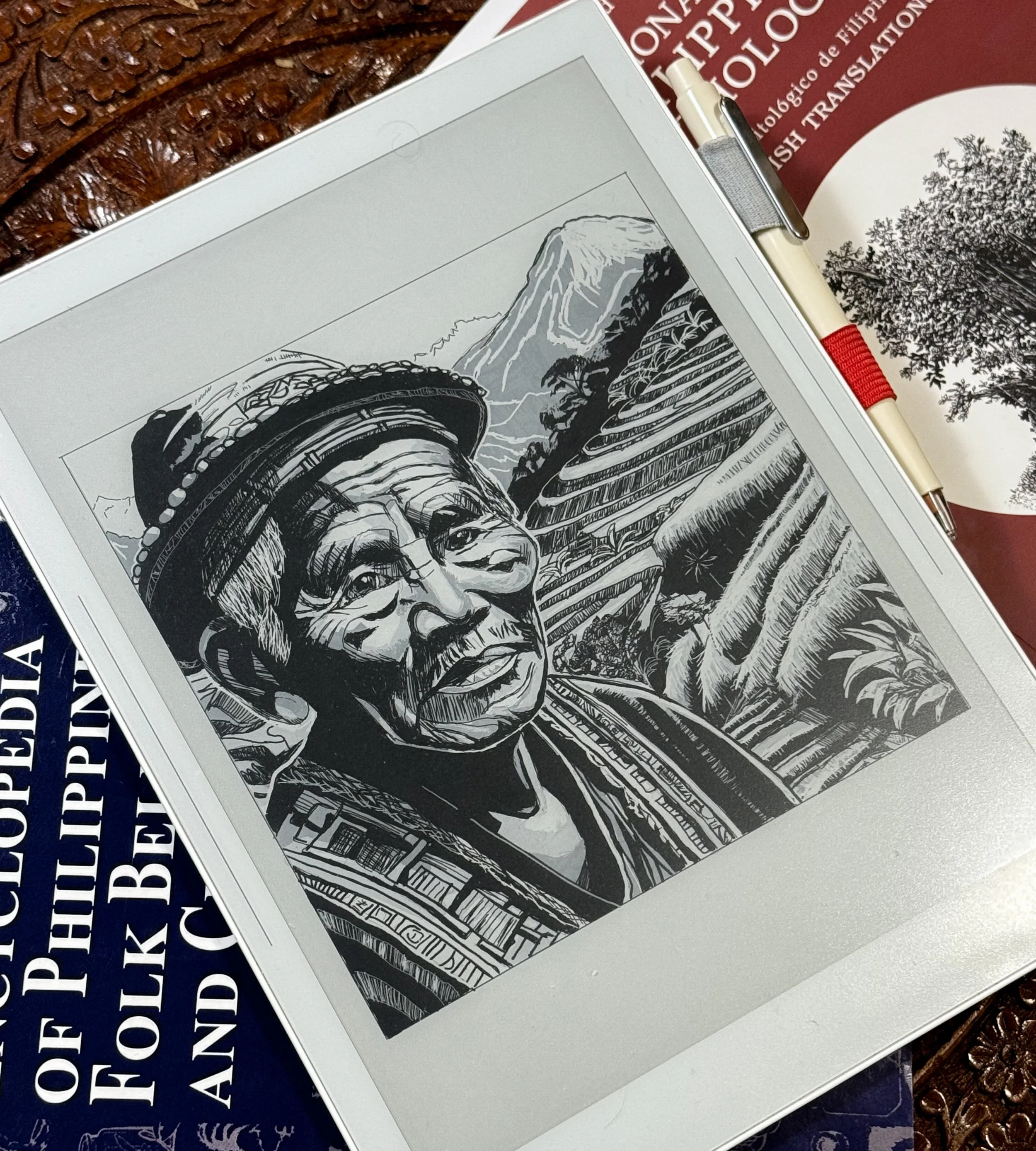
High in the Cordillera range of northern Luzon, the Ifugao are known for a landscape shaped by human hands and patience: the Rice Terraces of the Philippine Cordilleras—stone-and-earth steps carved into mountainsides, sustained by complex water management and community labor across generations. 

Their heritage is carried not only in fields, but in voice. The Hudhud is a tradition of long narrative chants performed during rice cultivation seasons and in funeral wakes and rituals—an epic archive of heroes, values, and customary life that can last for days when fully recited. 

And inside granaries, meaning becomes tangible: bulul figures—carved ancestral guardians—are traditionally placed to protect the rice and secure abundance, linking harvest to ritual, kinship, and responsibility. 

Today, the terraces face pressure from environmental change and social shifts, but the Ifugao story is still defined by stewardship—knowledge that adapts, communities that organize, and a relationship to land measured in centuries rather than seasons. 

Next Up->

Tribe Series: Kalinga

The Kalinga: Highlands, River-Paths, and Peace Pacts

In the Cordillera highlands of Luzon, the Kalinga have long lived close to the grain of the mountains—terraces, footpaths, and the river systems that make daily life possible. The Chico River is often described as a “river of life” for communities along its banks, tying farming, trade, and movement together in the upland interior. 

Older accounts of Kalinga society include a warrior reputation and the historical practice of headhunting—real violence, but not senseless: it operated inside rules of conflict, status, and obligation. What’s just as important is what developed alongside it: bodong, a formal peace-pact institution between groups, treated as a binding covenant of non-aggression and a framework for settling disputes. Over time, bodong helped limit cycles of retaliation and reduce warfare and headhunting by turning conflict into negotiated responsibility. 

Kalinga identity is also carried through craft and mark-making—textiles with bold geometry, and the hand-tapped tattoo tradition known widely through Whang-od Oggay of Buscalan, recognized for keeping the practice visible into the present. 

Today, the Kalinga story continues under modern pressure: roads and tourism, migration, and big development fights—like long resistance movements around projects affecting the Chico River watershed, which became a landmark case in Indigenous land and rights struggles. 

Next Up->

Tribe Series: Yakan

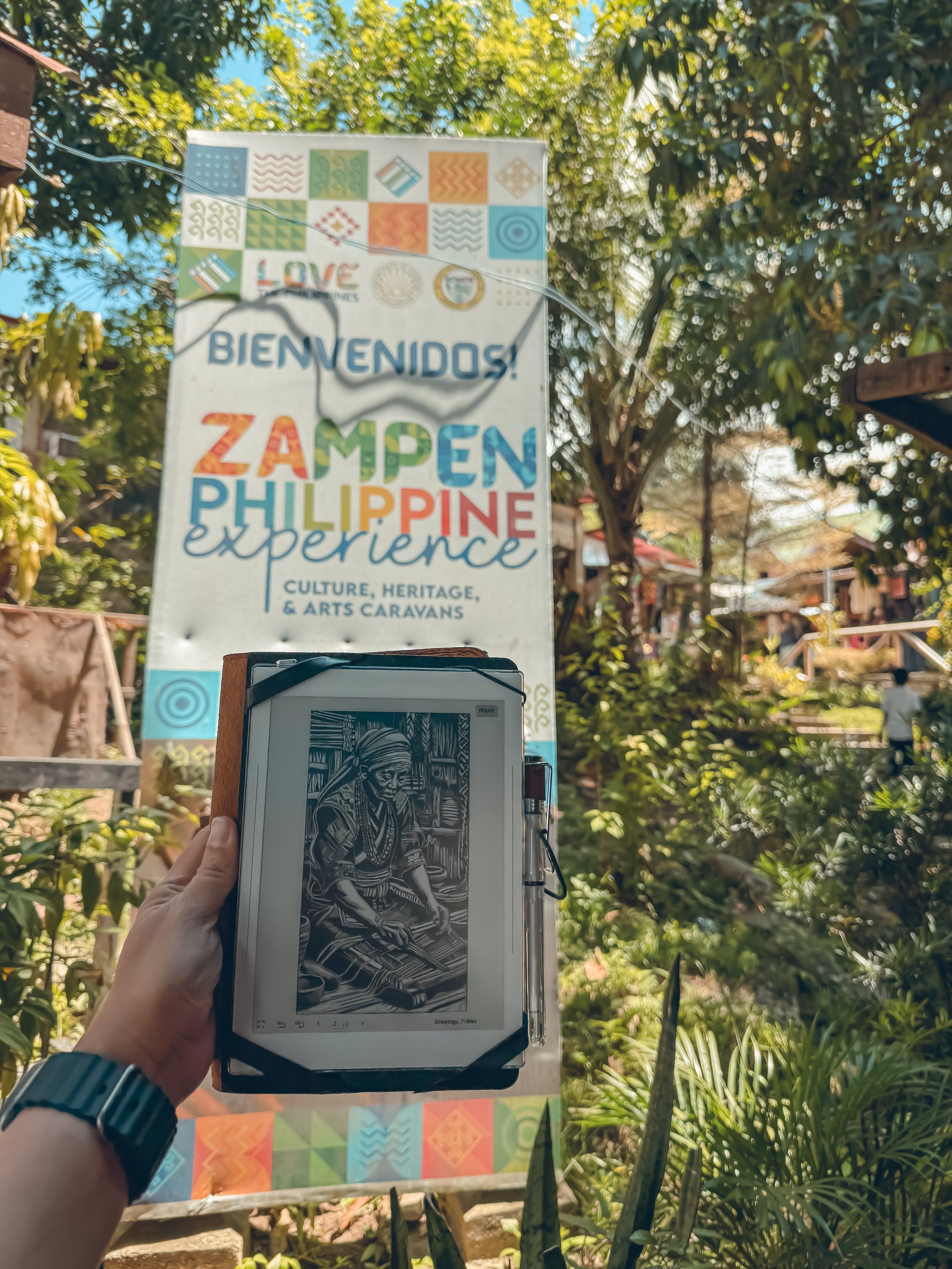
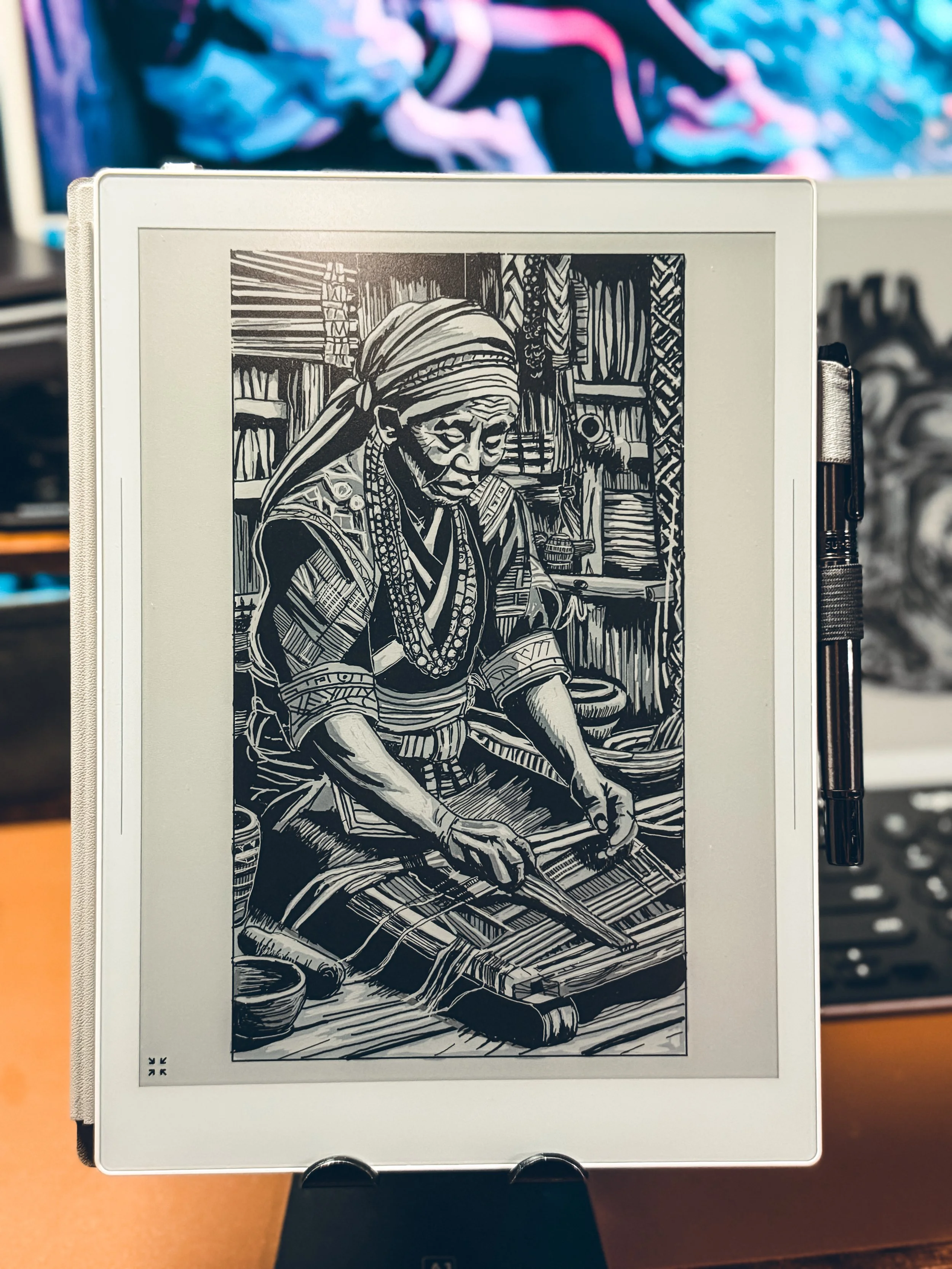
The Yakan: Geometry in Thread, Roots in Basilan

The Yakan are an Indigenous ethnolinguistic group of the southern Philippines, living primarily on Basilan Island and nearby islands off the Zamboanga Peninsula, with smaller communities elsewhere in Mindanao and in Sabah.

On Basilan, the Yakan formed a life shaped by inland farming and island crossings—close enough to the sea to feel the trade winds, but grounded in fields, forest edges, and community ties. 

Often described as upland farmers, many Yakan communities are rooted in the mountainous interior of Basilan, growing staples like rice and cassava—life organized around seasons, soil, and shared labor more than coastline spectacle.

What they’re most widely known for is weaving that reads like a language: tight symmetry, bold color, and patterns passed hand-to-hand. The seputangan stands out—an intensely detailed square cloth worn at the waist or as a head covering, and used in ceremonies like weddings. It’s also described as symbolically connected to rice and planting rituals, linking design to livelihood. 


In the 1970s, violence and insecurity pushed many Yakan families to resettle in Zamboanga City. The move changed the setting, but not the craft: weaving traveled with them and became both economic survival and cultural continuity—proof that a people can be displaced without being erased. 

Next Up->

Tribe Series: Tausug

The Tausug: People of the Current and the Crown of Sulu


Across the islands of the Sulu Archipelago—especially around Jolo—the Tausug have long lived with movement: boats, trade routes, tides, and the push-pull of the Sulu Sea. Even their name is often explained as “people of the current,” linking identity to flow rather than fixed ground. 


That maritime world built more than livelihood—it built power. Through the Sultanate of Sulu, the region became known for sea-based strength: diplomacy and commerce, but also warfare that moved by water and struck fast across island corridors. 

And then there’s the cloth—bright, precise, unmistakable. The pis syabit is a multicolored woven square traditionally worn by Tausug men as a headcloth or accessory, its geometry carrying both craft mastery and social meaning. 

Today, many Tausug communities live not only in Sulu but also in parts of mainland Mindanao and across borders in places like Sabah—migration shaped by opportunity, disruption, and history. Yet the through-line remains: identity carried forward in navigation, kinship, faith, and the patterned language of what the hands still know how to make. 

Next Up->